
Electroplating Industries.
Electroplating industries span aerospace, automotive, medical, electronics, defense, energy, and consumer products. Each sector depends on qualified electroplating suppliers to deliver precision coatings that meet demanding performance, reliability, and regulatory requirements.
Industries
Electroplating Applications by Sector
Summary
Leading Sectors: Industries driving the majority of electroplating demand worldwide.
Electroplating serves diverse industries with critical coating requirements. From aerospace precision to agricultural durability, each sector demands specific coating solutions meeting unique performance standards. These industries rely on qualified electroplating suppliers delivering consistent quality through proven processes and rigorous testing protocols.
Farm equipment requires corrosion-resistant coatings surviving fertilizer exposure and weather extremes. Galvanized and zinc-nickel coatings protect irrigation systems, tractor components, and harvesting machinery from rust failure.
Vehicle production demands massive-scale decorative chrome and corrosion protection meeting OEM specifications. Zinc-nickel coatings on fasteners and electroless nickel on pistons survive extreme temperatures and salt exposure.
Aircraft components require lightweight cadmium and zinc-nickel coatings resisting corrosion at altitude. Hard chrome on landing gear and electroless nickel on hydraulics meet stringent FAA specifications.
Medical devices need biocompatible electropolished stainless and gold plating preventing tissue rejection. Surgical instruments require autoclave-resistant coatings maintaining sterility through repeated high-temperature cycles.
Processing equipment faces acids and solvents attacking unprotected metal daily. Electroless nickel and PTFE composite coatings provide chemical resistance extending reactor and valve service life.
Military hardware requires cadmium and hard chrome coatings surviving combat conditions per MIL-SPEC requirements. Weapons systems demand precise thickness control and NADCAP certification.
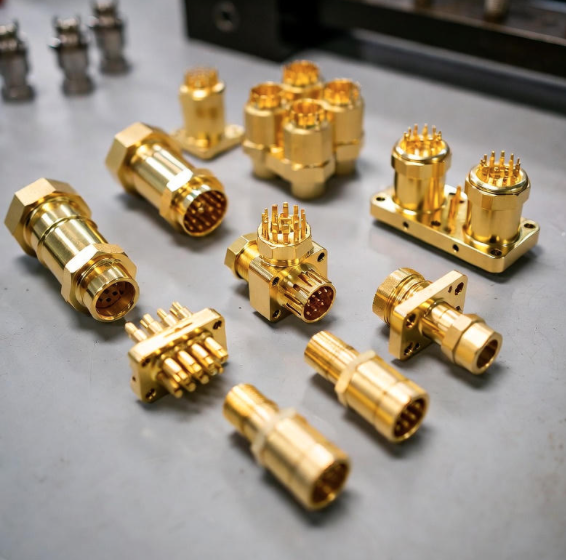
Circuit boards and connectors need precise gold and tin plating ensuring reliable electrical conductivity. Nickel underlayers prevent copper migration and solder leaching.
Hotel fixtures require decorative chrome surviving constant water exposure and aggressive cleaners. Commercial kitchen equipment needs electropolished sanitary surfaces meeting health department standards.
Production tooling depends on hard chrome extending die life from thousands to millions of cycles. Electroless nickel on molds prevents galling and provides release properties.
Vessels face extreme saltwater corrosion requiring specialized zinc-nickel and electroless nickel coatings. Propeller shafts and deck hardware demand Lloyd's Register approval.
Excavator components endure abrasive rock dust and sulfuric drainage destroying unprotected metal rapidly. Hard chrome and thermal spray coatings extend equipment life dramatically.
Drilling equipment requires coatings surviving hydrogen sulfide and high-pressure corrosion. Hard chrome on pump plungers and electroless nickel on valves prevent costly downtime.
Turbine components face extreme temperatures and corrosive combustion gases. Chrome and specialized alloy coatings maintain efficiency and prevent unscheduled outages.
Rail components require coatings surviving vibration, weather, and mechanical stress for decades. Zinc-nickel on fasteners and hard chrome on pistons meet FRA safety standards.
Emergency equipment demands reliable chrome and zinc coatings functioning during disasters. Fire truck components and medical response gear require corrosion resistance under extreme conditions.
Spacecraft components require ultra-precise gold and silver coatings surviving vacuum and radiation. Every coating undergoes extensive testing per NASA specifications.