
Electroplating Industries.
Electroplating industries span aerospace, automotive, medical, electronics, defense, energy, and consumer products. Each sector depends on qualified electroplating suppliers to deliver precision coatings that meet demanding performance, reliability, and regulatory requirements.
Mining Industry
General Overview
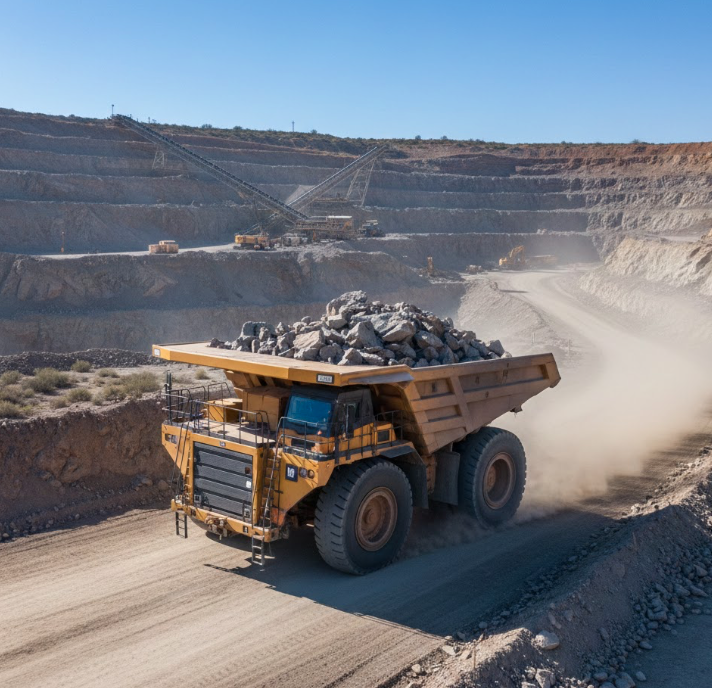
Extreme Abuse: Mining equipment faces abrasive rock dust, sulfuric acid drainage, and impact loading destroying unprotected metal within weeks of operation in harsh conditions.
Summary
Mining equipment survives the harshest industrial environment possible. Abrasive rock dust, sulfuric acid drainage, and impact loading destroy unprotected metal within weeks. Hard chrome protects hydraulic cylinders on excavators moving tons per cycle. Wear-resistant coatings extend bucket teeth life by 10x. Zinc protects structural steel from acidic mine water. Downtime in underground operations costs millions daily making coating durability critical for production targets.
Coatings
Mining coatings must survive abrasion and corrosion simultaneously. Hard chrome provides maximum wear resistance on hydraulic components and structural surfaces. Thermal spray coatings protect conveyors and chutes from rock impact. Zinc-rich primers seal steel against acid mine drainage. Every coating faces rock dust acting like sandpaper combined with sulfuric acid from ore processing. Coating selection determines whether equipment runs months or years between rebuilds.
| Coating | Performance | Cost | Application |
|---|---|---|---|
| Hard Chrome | Hydraulic cylinders, bucket teeth, crusher components for extreme wear | ||
| Thermal Spray | Conveyor rollers, chutes resisting abrasion and impact from ore flow | ||
| Zinc-Rich Primer | Structural steel protecting against acid mine drainage corrosion |
Specifications
Mining specifications focus on maximizing uptime through abrasion resistance. ASTM G65 dry sand rubber wheel testing measures actual wear performance. SAE J417 covers hard facing alloys for extreme wear. SSPC paint standards define corrosion protection for structural steel. Real-world testing requires actual ore exposure because laboratory abrasion doesn\'t predict field performance. Equipment manufacturers develop proprietary specs based on failure analysis from mining operations worldwide.
- SAE AMS 2460 - Hard chrome for mining equipment
- ASTM G65 - Abrasion testing standard
- ASTM B487 - Electroless nickel for salvage work
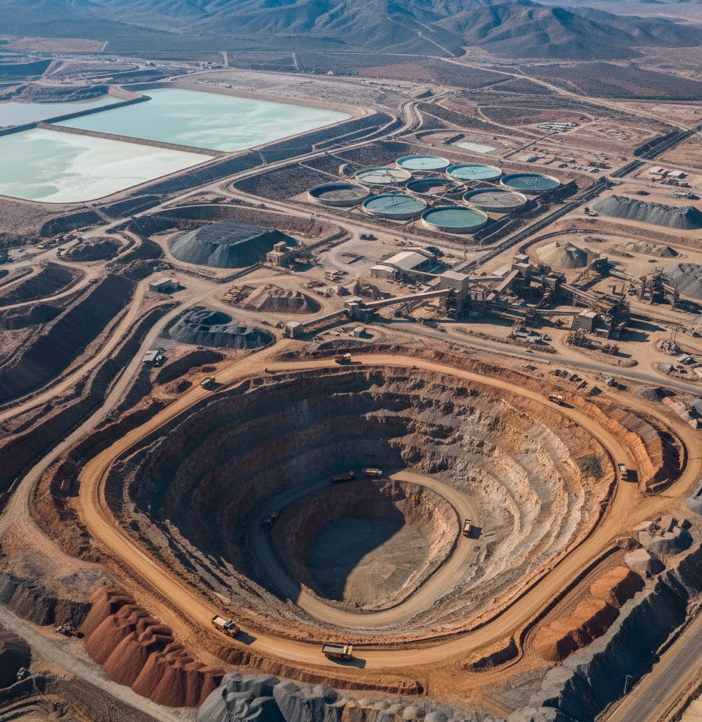
Uptime Critical: Mining operations lose millions daily when production stops making coating durability and emergency field repair capability essential for maintaining output targets.
Certifications
Mining suppliers need ISO 9001 quality management demonstrating process control. MSHA regulations govern equipment safety in underground operations. Environmental certifications matter for surface mining near populated areas. OEM approvals from Caterpillar, Komatsu, or Sandvik validate coating performance on specific equipment. Quick turnaround capability matters more than certifications when production is stopped. Emergency coating services keep mines operating through equipment failures.
- ISO 9001 - Quality management system
- ISO 14001 - Environmental management
- MSHA Compliance - Mine safety standards
Frequently Asked Questions
How does abrasive ore wear through hard chrome?
Rock dust with quartz content acts like grinding compound attacking any surface. Hard chrome at 900 HV delays wear but doesn\'t prevent it. Coating thickness determines life with 0.002 inch surviving longer than 0.001 inch obviously. Ore hardness matters hugely with soft coal wearing less than hard rock copper mining. Chrome extends component life 5-10x versus uncoated but eventual replacement remains inevitable. Rebuild schedules account for predictable wear rates from specific ore types.
Why do underground mines have worse corrosion than surface operations?
Trapped moisture plus sulfur-bearing rock creates sulfuric acid in underground environments. Poor ventilation prevents drying allowing constant wet conditions. Acid mine drainage pH drops below 3 attacking most coatings and metals. Surface operations ventilate naturally and sun dries equipment between shifts. Temperature stays constant underground accelerating chemical reactions. Coating selection for underground requires actual acid resistance testing not generic salt spray.
Can thermal spray coatings handle impact loading from falling ore?
Proper thermal spray creates dense coatings resisting both abrasion and moderate impact. Tungsten carbide coatings survive ore chutes and conveyor impacts extremely well. Coating thickness and bond strength determine impact resistance. Improper application creates brittle coatings that spall under shock loads. Testing actual conditions before full deployment prevents expensive failures. Quality thermal spray extends equipment life 10x in rock handling applications when applied correctly.
How do you coat huge mining equipment in field conditions?
Field coating uses portable equipment bringing plating or thermal spray to mine sites. Quality suffers versus shop conditions but beats shipping giant components. Brush plating repairs localized wear on hydraulic rods. Portable thermal spray rebuilds worn bucket teeth and crusher liners. Environmental control is nearly impossible affecting coating quality. Smart operations combine field repairs extending intervals between major overhauls requiring shop work. Emergency field coating keeps mines producing until scheduled shutdowns.
What causes coating failure on hydraulic cylinders in mining equipment?
Rock dust contamination scores chrome surfaces allowing seal leakage and corrosion. Temperature extremes from desert heat or arctic cold stress coating adhesion. Side loading from bucket impacts creates uneven wear patterns. Seal failure allows abrasives into cylinder causing rapid wear. Regular inspection and preventive recoating costs less than catastrophic failures. Cylinder replacement on large excavators runs $50,000+ making $5,000 preventive chrome coating cheap insurance against downtime.
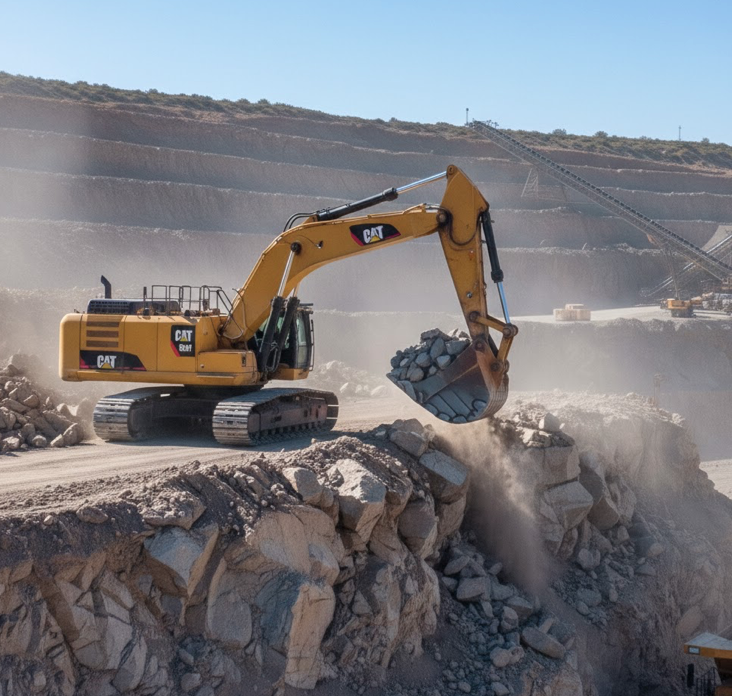
Maximum Durability: Hard chrome and thermal spray coatings extend mining equipment life by factors of ten reducing replacement costs and unscheduled maintenance shutdowns dramatically.
Conclusion
Mining imposes extreme abrasion and corrosion destroying unprotected equipment rapidly. Hard chrome provides maximum wear resistance on hydraulic components and structural surfaces. Thermal spray protects ore handling equipment from impact and abrasion. Zinc-rich coatings prevent acid mine drainage corrosion. ISO certifications demonstrate quality but emergency response capability determines supplier value. Mining downtime costs millions daily making coating durability and repair speed critical for maintaining production targets.
Next Steps
Test coatings with actual ore samples measuring abrasion rates under operating conditions. Document corrosion environment including acid pH and moisture exposure. Find coating shops with mining experience and emergency response capabilities. Establish preventive maintenance schedules based on predicted wear rates. Budget for field coating equipment enabling on-site repairs. Mining operations can\'t afford waiting weeks for shop coating when every day down costs six figures in lost production.
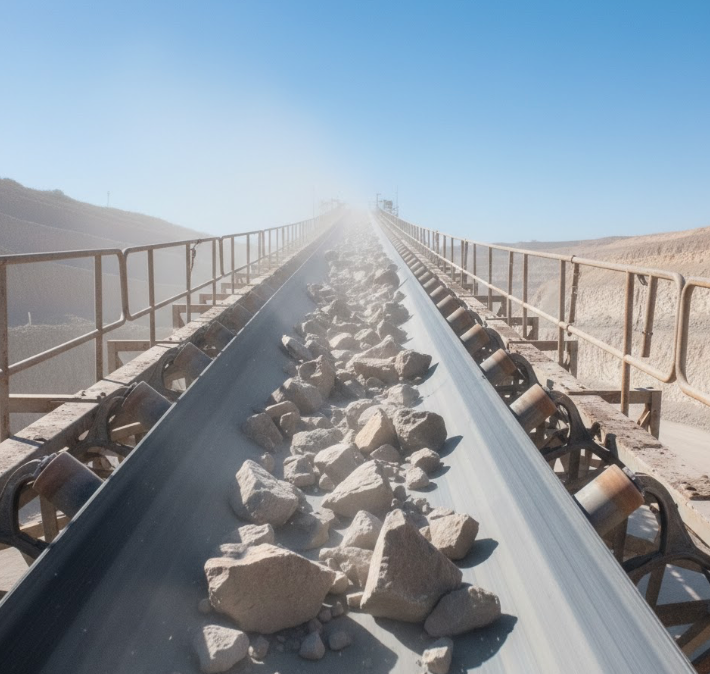
Heavy Equipment: Excavator buckets, conveyor systems, and crusher components depend on wear-resistant coatings surviving millions of tons of abrasive ore throughput daily.
Specific Parts
Mining equipment faces abrasion, impact, and corrosion that destroys ordinary components within days. Coatings extend service life exponentially. Below are mining-specific parts with coating recommendations based on harsh mining environment experience.
Hard chrome on excavator bucket teeth extends wear life 10x versus uncoated steel in abrasive rock mining operations.
Thermal spray tungsten carbide on conveyor rollers resists ore abrasion maintaining smooth operation through millions of tons throughput.
Hard chrome hydraulic cylinders survive rock dust contamination and extreme side loading maintaining seal integrity for years.
Zinc-rich epoxy on structural steel prevents acid mine drainage corrosion in underground operations with pH below 3.
Tungsten carbide overlay on crusher jaws extends replacement interval from months to years in hard rock operations.
Electroless nickel salvage on worn shafts restores dimensions at 10% replacement cost keeping vintage equipment operational.
Hard chrome on drill collars resists abrasion from drilling fluid and rock cuttings maintaining dimensional accuracy.
Thermal spray ceramic on cyclone internals prevents slurry erosion extending component life 5x in ore processing.