
Electroplating Industries.
Electroplating industries span aerospace, automotive, medical, electronics, defense, energy, and consumer products. Each sector depends on qualified electroplating suppliers to deliver precision coatings that meet demanding performance, reliability, and regulatory requirements.
Petroleum Industry
General Overview
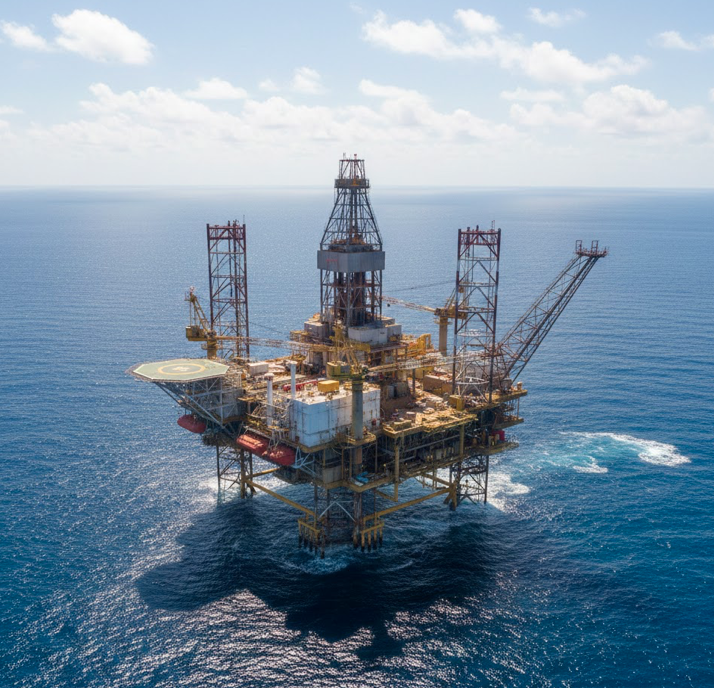
Extreme Conditions: Oil field equipment operates in hydrogen sulfide, high pressure, and extreme temperatures where coating failures cause well blowouts and refinery fires catastrophically.
Summary
Petroleum equipment operates in corrosive environments nobody wants to visit. Hydrogen sulfide, CO2, saltwater, and high pressure attack drilling and refining equipment simultaneously. Hard chrome protects piston rods on mud pumps cycling millions of times. Nickel alloys resist sour gas corrosion downhole. Specialized coatings prevent sulfidation in refinery furnaces. One coating failure causes well blowouts or refinery fires costing lives and billions. Safety regulations demand proven coating performance through decades of field testing.
Coatings
Petroleum coatings survive combined chemical attack, high temperatures, and mechanical stress. Hard chrome protects drilling equipment from abrasion and corrosion. Electroless nickel resists hydrogen sulfide and CO2 attacking production equipment. Thermal barrier coatings protect refinery furnace tubes from 1500°F process streams. Every coating gets qualified through actual service testing because laboratory conditions can\'t replicate downhole chemistry. Coating selection determines whether equipment operates years or fails catastrophically within months.
| Coating | Performance | Cost | Application |
|---|---|---|---|
| Hard Chrome | Mud pump rods, drill collars surviving abrasion and sour gas | ||
| Nickel-Phosphorus | Valves, pumps resisting H2S and CO2 in production systems | ||
| Thermal Barrier | Refinery furnace tubes surviving extreme temperatures and sulfidation |
Specifications
Petroleum specifications reference NACE standards developed through costly failures. NACE MR0175 governs materials for sour gas service. API specifications control equipment design for drilling and production. ASTM B487 defines electroless nickel for corrosion protection. Testing requires actual H2S exposure at temperature and pressure replicating downhole conditions. Generic laboratory tests tell you nothing about coating performance in real petroleum environments where failure means catastrophic equipment loss.
- NACE MR0175 - Sour gas service material requirements
- SAE AMS 2460 - Hard chrome for petroleum equipment
- ASTM B487 - Electroless nickel corrosion resistance
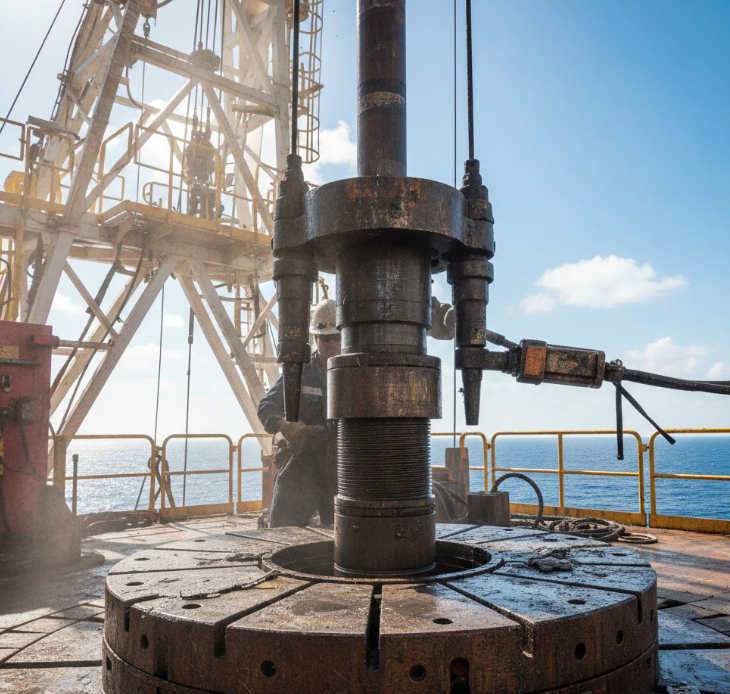
Safety Critical: Petroleum suppliers require API certifications and NACE expertise proving coatings survive sour gas service preventing catastrophic equipment failures downhole.
Certifications
Petroleum suppliers need ISO 9001 plus API certifications for specific equipment types. NACE membership demonstrates corrosion expertise. ISO 14001 environmental management matters for refineries. Offshore work requires additional safety certifications. Major operators maintain approved vendor lists updated through performance history. Without proper certifications petroleum companies won\'t consider suppliers regardless of technical capabilities or pricing.
- ISO 9001 - Quality management foundation
- API Certification - Equipment design and manufacturing
- ISO 14001 - Environmental management
Frequently Asked Questions
What makes hydrogen sulfide so destructive to coatings?
H2S creates sulfide corrosion penetrating most protective films rapidly. Combined with high pressure and temperature downhole creates extremely aggressive environment. Hydrogen embrittlement occurs when atomic hydrogen enters steel causing brittle failure. NACE MR0175 restricts acceptable materials because wrong choices kill workers through catastrophic equipment failure. Only proven coating systems survive sour gas service. Testing requires actual H2S exposure not simulated conditions.
How do thermal barrier coatings protect refinery furnaces?
Ceramic coatings reduce heat transfer allowing higher process temperatures without overheating tube metal. Sulfidation at 1000°F+ destroys uncoated tubes within months. Thermal spray ceramics plus bond coats provide insulation and corrosion protection. Coating extends tube life 2-3x versus uncoated steel. Application requires specialized equipment and skilled technicians. Cost runs thousands per tube but replacement costs hundreds of thousands plus shutdown losses.
Why do mud pump rods need such frequent replating?
Pumping abrasive drilling mud at 5000 PSI wears chrome coating gradually despite 900+ HV hardness. Cyclic loading millions of times causes fatigue. Rod replacement costs $10,000+ while replating runs maybe $2,000. Preventive recoating before complete wear-through prevents catastrophic failures. Some operations keep spare rod sets rotating through plating shop maintaining drilling operations. Chrome wear rate predicts optimal replating intervals maximizing uptime.
Can offshore equipment be coated without returning to shore?
Limited field coating possible using brush plating for localized repairs. Quality suffers compared to shop work but prevents production shutdown. Helicopters transport portable coating equipment to platforms. Weather and environmental control problems affect results. Most critical work waits for scheduled platform shutdowns allowing proper shop coating. Emergency repairs buy time until comprehensive overhaul possible. Offshore coating costs 5-10x normal pricing but beats lost production worth millions daily.
How do coatings handle temperature cycling in refineries?
Thermal expansion mismatch between coating and substrate causes stress during heating and cooling. Proper coating selection matches expansion coefficients preventing spalling. Multiple thin layers distribute stress better than single thick coating. Startup and shutdown cycles accelerate coating degradation. Refineries schedule turnarounds for inspection and recoating based on cycle counting. Unexpected failures between turnarounds cost millions in emergency repairs plus lost production waiting for coating cure.
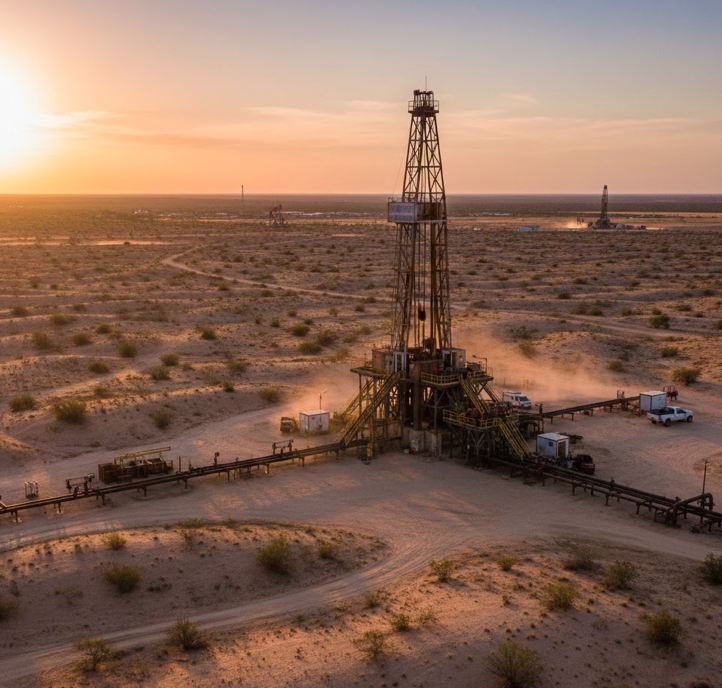
Proven Performance: Laboratory conditions cannot replicate downhole chemistry requiring actual field testing in wells and refineries validating coating performance before full deployment.
Conclusion
Petroleum environments destroy equipment through combined corrosion, temperature, and mechanical stress. Hard chrome survives drilling operations pumping abrasive mud at extreme pressures. Electroless nickel resists sour gas corrosion downhole. Thermal barriers protect refinery furnaces from sulfidation and heat. NACE specifications govern material selection for safety-critical applications. API and ISO certifications prove quality management. Petroleum coating failures cause catastrophic equipment loss, environmental damage, and worker deaths making proven performance mandatory.
Next Steps
Document exact service conditions including pressure, temperature, and chemical composition. Test coatings in actual petroleum environments not laboratory simulations. Find suppliers with petroleum industry experience and API certifications. Review NACE requirements for sour gas service if H2S present. Budget for regular inspection and preventive recoating cycles. Petroleum operations can\'t afford unproven coatings where failures cause environmental disasters and threaten human lives.
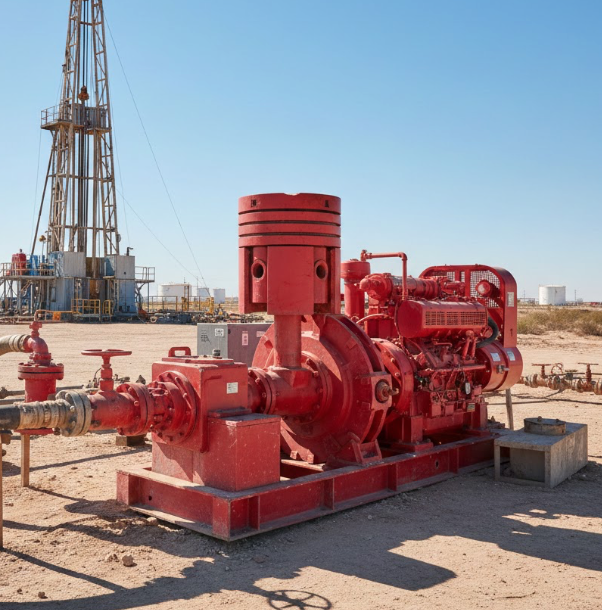
Oil Field Equipment: Mud pump rods, downhole valves, and refinery furnace tubes require specialized coatings surviving extreme corrosion and temperature conditions found in petroleum operations.
Specific Parts
Petroleum equipment survives extreme corrosion, temperature, and pressure that destroy ordinary materials. Coatings prevent catastrophic failures. Below are petroleum-specific parts with coating recommendations based on decades of oil field and refinery experience.
Hard chrome on mud pump rods survives abrasive drilling fluid at 5000 PSI cycling millions of times before requiring replating.
Electroless nickel on downhole valves resists H2S and CO2 corrosion in sour gas wells operating at 15,000 PSI and 300°F.
Thermal barrier coating on furnace tubes prevents sulfidation at 1500°F extending tube life 3x in refinery crackers.
Hard chrome on drill collars resists abrasion from drilling through rock formations while providing corrosion protection.
Nickel-phosphorus on production tubing resists sweet and sour corrosion maintaining flow for years in challenging wells.
Tungsten carbide overlay on valve seats prevents erosion from high-velocity hydrocarbon flow in production systems.
Chrome plating on refinery heat exchanger tubes resists fouling and corrosion maintaining thermal efficiency.
Electroless nickel on pump internals survives crude oil corrosion and abrasive particles in production operations.
Thermal spray aluminum on offshore platform steel provides sacrificial protection in severe marine environments.
Hard chrome on sucker rod couplings resists galling and wear during reciprocating pump operations in oil wells.
Hard chrome on mud pump rods survives abrasive drilling fluid at 5000 PSI cycling millions of times before requiring replating.