
Electroplating Industries.
Electroplating industries span aerospace, automotive, medical, electronics, defense, energy, and consumer products. Each sector depends on qualified electroplating suppliers to deliver precision coatings that meet demanding performance, reliability, and regulatory requirements.
Railroad Industry
General Overview
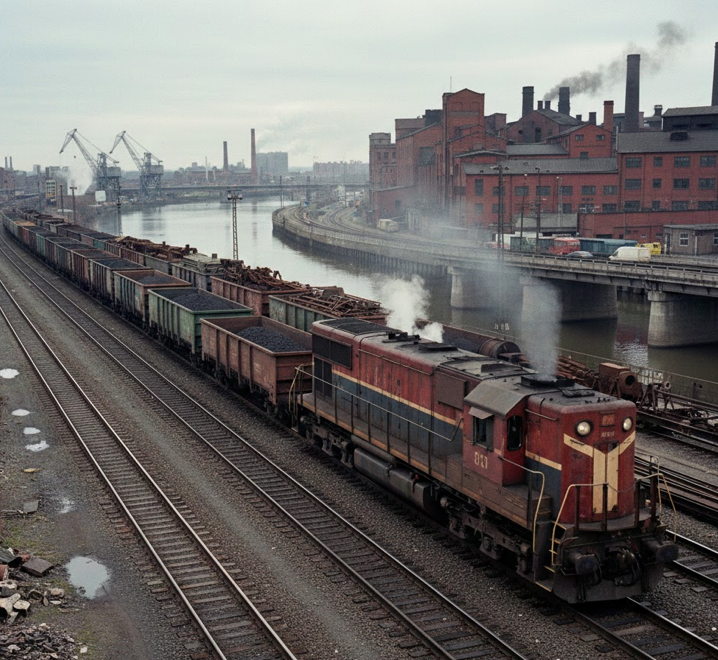
Heavy Haul: Railroad equipment hauls freight coast to coast where coating failures cause derailments investigated by federal agencies resulting in massive liability exposure.
Summary
Railroad equipment hauls America on steel rails where failure isn't optional. Hard chrome on locomotive pistons survives millions of power strokes. Zinc protects couplers and structural steel from rain, snow, and road salt spray. Specialized coatings prevent galling on bearing surfaces carrying 300,000 pound loads. One failed component derails trains costing millions in cleanup plus liability claims. FRA regulations check coating condition because safety depends on corrosion control preventing catastrophic failures.
Coatings
Railroad coatings balance extreme wear with all-weather corrosion protection. Hard chrome protects hydraulic components cycling millions of times hauling freight coast to coast. Zinc coatings shield structural steel from rust that weakens critical load-bearing components. Cadmium-free alternatives meet environmental regulations while maintaining performance. Every coating faces thermal cycling from arctic cold to desert heat plus constant vibration transmitted through rails. Component life measured in decades not years because replacement means taking equipment out of revenue service.
| Coating | Performance | Cost | Application |
|---|---|---|---|
| Hard Chrome | Locomotive pistons, axle journals requiring extreme wear resistance | ||
| Zinc-Nickel | Couplers, fasteners surviving weather extremes and vibration | ||
| Electroless Nickel | Brake components, valves needing uniform corrosion protection |
Specifications
Railroad specs reference AAR standards developed through decades of derailment investigations. AAR M-107 governs wheel and axle coatings preventing fatigue failures. ASTM B633 defines zinc coating for structural components. SAE specifications control brake system materials. FRA inspections verify coating condition during maintenance cycles. Generic salt spray testing alone doesn't predict performance under constant vibration and thermal cycling. Field testing on actual track determines what survives versus what fails catastrophically.
- AAR M-107 - Wheel and axle coating requirements
- ASTM B633 - Zinc coating for railroad hardware
- SAE AMS 2460 - Hard chrome for locomotive components
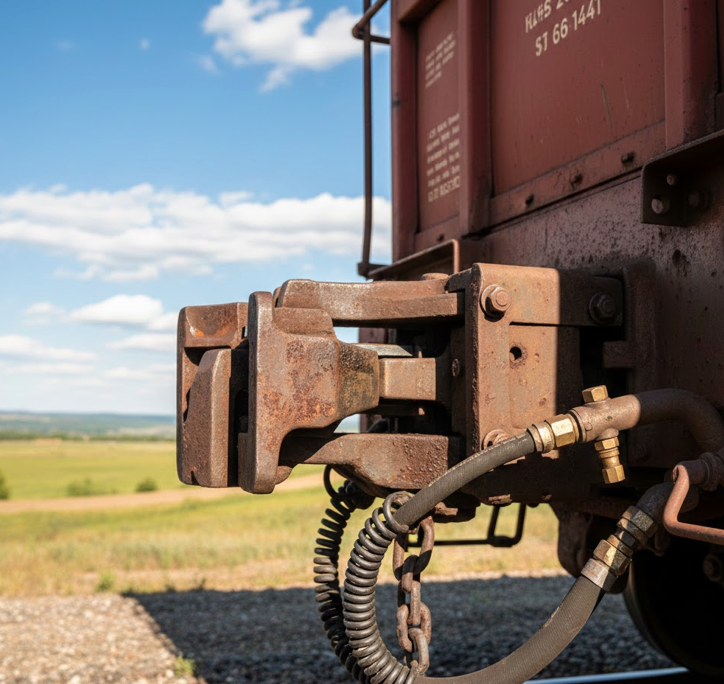
Safety Critical: Railroad suppliers need AAR certification proving understanding of rail-specific requirements where component failures derail trains carrying hazardous materials through cities.
Certifications
Railroad suppliers need ISO 9001 plus AAR certification proving they understand rail-specific requirements. FRA compliance demonstrates regulatory knowledge. Major locomotive manufacturers maintain approved vendor lists based on failure tracking data. Environmental certifications matter because railroads operate through populated areas. Without AAR approval coating shops can't bid on Class I railroad work regardless of capabilities. Established relationships with rail maintenance facilities provide steady business versus chasing one-off jobs.
- ISO 9001 - Quality management foundation
- AAR Certification - Railroad industry approval
- ISO 14001 - Environmental compliance
Frequently Asked Questions
How does vibration affect coating life on railroad equipment?
Constant vibration transmitted through rails and wheels creates fatigue cracks in coatings eventually. Think of shaking a soda can for hours daily. Hard chrome resists vibration better than softer coatings but still requires periodic replacement. Proper substrate preparation and coating thickness determine how long before vibration causes delamination. Locomotives running 500,000 miles yearly need coating inspection during major overhauls. Freight cars see less severe duty but still accumulate millions of vibration cycles over 40 year service lives.
Why do railroad couplers need special coatings?
Couplers slam together absorbing tremendous impact forces thousands of times. Uncoated steel galls and wears creating unsafe engagement. Zinc-nickel provides corrosion protection plus some lubricity preventing metal-to-metal seizing. Temperature swings from Alaska to Arizona stress coatings through expansion and contraction. Failed couplers cause derailments killing workers and spilling hazardous materials. NTSB investigates every derailment checking maintenance records. One coating failure traced to your shop ends your railroad business permanently through liability claims.
Can worn locomotive components be salvaged with plating?
Yes, electroless nickel or chrome salvages expensive components at fraction of replacement cost. Worn axle journals get cleaned, plated oversized, then machined back to specification. Quality shops hold 0.001 inch tolerances restoring dimensional accuracy. Locomotive overhauls happen every 180 days providing regular coating work. Component replacement costs tens of thousands while salvage plating runs maybe 10% that amount. Critical limitation is base metal condition because deep cracks can't be plated over safely. Ultrasonic or magnetic particle inspection determines what's salvageable versus scrap.
What makes railroad coating requirements different from automotive?
Railroads expect 40 year component life versus automotive's 10-15 years. Vibration levels exceed automotive by orders of magnitude. Weather protection must survive from Death Valley heat to North Dakota cold. Load factors are insane because one freight car weighs more than 50 cars. Coating failures cause derailments not just warranty claims. AAR approval process takes years versus months for automotive qualification. Railroad pays premium prices for proven suppliers because experimental approaches risk catastrophic public failures investigated by federal agencies.
How do you coat massive locomotive components?
Large plating tanks handle locomotive components but logistics get interesting. Crane capacity limits what fits in tanks. Some work requires field coating using portable equipment. Quality suffers in field versus shop but beats shipping 5000 pound components across country. Major railroad shops maintain in-house plating capability for routine maintenance. External suppliers handle specialty coatings or overload work. Transportation costs drive decisions because freight rates for oversized heavy loads exceed coating costs easily.
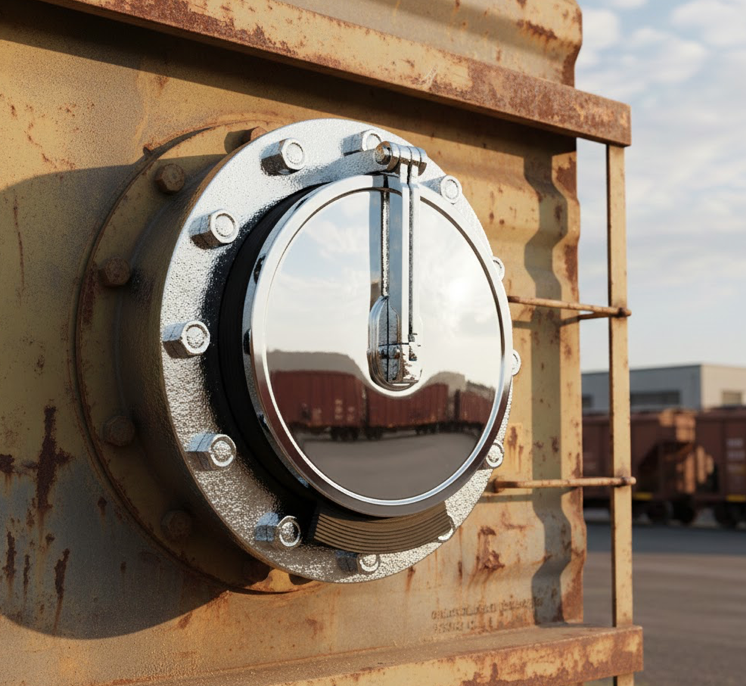
Built To Last: Railroad components must survive 40 years of extreme vibration, temperature swings, and mechanical stress far exceeding automotive service conditions in severity.
Conclusion
Railroad equipment demands coatings surviving decades of extreme vibration, weather, and mechanical stress. Hard chrome protects locomotive components through millions of power cycles. Zinc-nickel shields structural steel from coast-to-coast temperature swings. Electroless nickel prevents corrosion on brake systems and valves. AAR certification proves understanding of rail-specific requirements. ISO certifications demonstrate quality management. Railroad coating failures cause derailments investigated by federal agencies making proven performance mandatory not optional.
Next Steps
Document operating environment including vibration levels, temperature ranges, and maintenance cycles. Review AAR requirements and locomotive manufacturer specifications. Find coating shops with railroad experience and AAR certification. Budget for inspection during scheduled overhauls not emergency repairs. Test coatings under actual track conditions before full production. Railroad industry values proven suppliers over lowest bidders because coating failures make national news when trains derail in populated areas.
Rolling Stock: Locomotive pistons, couplers, and brake components depend on coatings surviving millions of power cycles and impact forces across continental distances daily.
Specific Parts
Railroad equipment survives vibration, weather extremes, and mechanical stress that ordinary components can't handle. Each part requires proven durability through decades of service. Below are railroad-specific parts with coating recommendations based on AAR standards and Class I railroad experience.
Hard chrome on locomotive piston rods survives millions of power strokes hauling freight coast to coast maintaining seal surfaces preventing hydraulic fluid leakage.
Zinc-nickel coating on couplers provides corrosion protection plus impact resistance absorbing tremendous forces when cars slam together during switching operations.
Electroless nickel on air brake valves ensures reliable operation through temperature extremes from arctic cold to desert heat maintaining safety-critical braking systems.
Hard chrome plating on axle journals reduces friction and wear supporting 300,000 pound loads rolling millions of miles between bearing replacements.
Zinc coating on structural bolts and fasteners prevents rust allowing disassembly during maintenance after decades of outdoor weather exposure and vibration.
Chrome plating on switch components resists wear from constant mechanical movement routing trains safely through complex track networks thousands of times daily.
Nickel-phosphorus on hydraulic cylinder rods protects from corrosion and wear in locomotive suspension systems cycling millions of times absorbing track irregularities.
Hard anodize on aluminum components in passenger cars provides wear resistance and aesthetic durability maintaining appearance through 40 years of service.
Electroless nickel-PTFE on sliding wear plates reduces friction in truck assemblies allowing smooth rotation while preventing galling between moving steel surfaces.
Zinc-rich primer on freight car structural steel provides sacrificial protection against rust in all-weather outdoor service carrying hazardous and valuable cargo nationwide.