
Electroplating Industries.
Electroplating industries span aerospace, automotive, medical, electronics, defense, energy, and consumer products. Each sector depends on qualified electroplating suppliers to deliver precision coatings that meet demanding performance, reliability, and regulatory requirements.
Marine Industry
General Overview
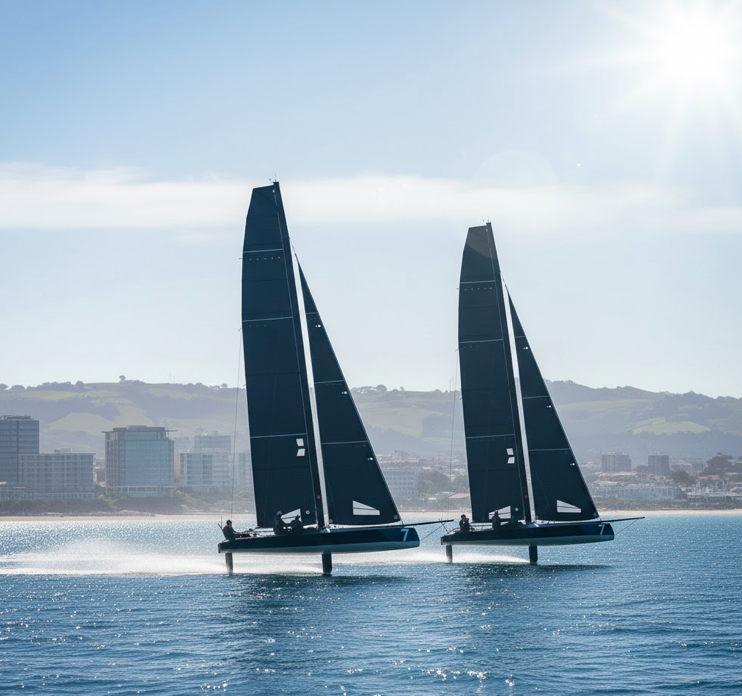
Saltwater Hell: Marine environments create the most corrosive conditions on Earth combining salt spray, immersion, biofouling, and mechanical stress simultaneously attacking coatings.
Summary
Marine environments represent the most corrosive conditions metals face. Salt spray, immersion, and biological fouling attack simultaneously. Zinc-nickel and specialized marine alloys protect propeller shafts and deck hardware. Hard chrome survives hydraulic rams on steering gear. Sacrificial coatings corrode instead of base metal extending component life. One coating failure sinks vessels or strands boats requiring expensive towing. Coast Guard inspections check coating condition because safety depends on corrosion control.
Coatings
Marine coatings fight constant saltwater exposure and biological growth. Zinc-nickel provides extreme corrosion protection meeting 1000+ hour salt spray requirements. Hard chrome protects hydraulic components from saltwater intrusion. Copper-nickel alloys resist biofouling on underwater surfaces. Every coating gets tested in actual seawater not laboratory salt spray. Failed coatings mean hauling vessels for repairs costing tens of thousands in downtime plus coating work.
| Coating | Performance | Cost | Application |
|---|---|---|---|
| Zinc-Nickel | Fasteners, deck hardware for extreme saltwater corrosion protection | ||
| Hard Chrome | Hydraulic cylinders, steering gear surviving saltwater and pressure | ||
| Copper-Nickel | Propellers, underwater fittings resisting biofouling and corrosion |
Specifications
Marine specifications demand proven seawater performance. MIL-DTL-81706 covers marine-grade cadmium replacements. ASTM B633 defines zinc coating for marine hardware. ISO 9227 salt spray testing runs 1000+ hours for critical components. Real-world testing requires actual ocean exposure not lab simulations. Classification societies like ABS and Lloyd\'s maintain coating requirements. Fail their inspections and vessels lose certification preventing commercial operation.
- MIL-DTL-81706 - Marine-grade corrosion protection coating
- ASTM B633 - Zinc coating for marine applications
- ISO 9227 - Salt spray testing standard

Safety First: Commercial vessels require coating approvals from classification societies like ABS and Lloyd's ensuring safety-critical components survive ocean service reliably.
Certifications
Marine suppliers need ISO 9001 quality management plus classification society approvals. ABS, Lloyd\'s, DNV maintain approved coating lists. Military vessels require additional NAVSEA approvals. ISO 14001 environmental certification matters for shipyard operations. Coating shops serving marine industry maintain relationships with surveyors who inspect their work. Without proper approvals commercial vessels can\'t sail and military ships can\'t deploy.
- ISO 9001 - Quality management foundation
- ISO 14001 - Environmental management for shipyards
- ABS Approval - American Bureau of Shipping classification
Frequently Asked Questions
Why is saltwater so much worse than fresh water for corrosion?
Salt conducts electricity accelerating galvanic corrosion between dissimilar metals. Chloride ions penetrate protective oxide films attacking base metal. Fresh water corrodes slowly while saltwater destroys coatings in months. Temperature matters too because warm tropical water corrodes faster than cold oceans. Add biological fouling from barnacles and algae creating localized corrosion cells. Ocean creates perfect storm of corrosion mechanisms attacking simultaneously making protection incredibly difficult.
How do sacrificial anodes work with plated components?
Zinc or aluminum anodes corrode preferentially protecting steel structures and bronze fittings. Electrical connection between anode and protected metal creates galvanic circuit. Anodes get replaced during maintenance preventing expensive component replacement. Coatings reduce required anode mass but don\'t eliminate need. Pin holes in coatings expose base metal creating corrosion sites. Redundant protection using both coatings and anodes provides maximum protection for critical marine systems.
Can marine coatings prevent biofouling completely?
No coating prevents fouling indefinitely but copper alloys slow growth significantly. Barnacles and algae attach to any surface given time. Antifouling paints containing biocides work temporarily requiring annual reapplication. Mechanical cleaning during haul-outs removes accumulated growth. Speed matters because moving vessels foul less than stationary ones. Yacht owners scrub hulls regularly while commercial ships schedule dry dock maintenance. Zero-maintenance solution doesn\'t exist despite marketing claims for miracle coatings.
Why do propeller shafts need such frequent recoating?
Constant immersion plus mechanical wear from shaft rotation and prop vibration degrades coatings rapidly. Pitting corrosion starts at coating defects spreading quickly. Shaft misalignment creates wear spots exposing base metal. Hard chrome survives better than softer coatings but still requires inspection every haul-out. Cost of shaft replacement exceeds $50,000 making $5,000 recoating good insurance. Smart operators budget for preventive recoating before failures occur because emergency repairs cost triple.
How do you coat underwater when vessel can\'t be hauled?
Commercial divers apply specialized underwater coatings for emergency repairs. Quality suffers compared to dry dock work but beats sinking. Prep work underwater is nearly impossible so coatings adhere poorly. Temporary repair gets vessel to port for proper haul-out. Military uses underwater coating for ships that can\'t leave station. Cold cure epoxies work underwater but longevity is measured in months not years. Real solution requires dry conditions. Underwater coating is expensive band-aid until proper repair possible.
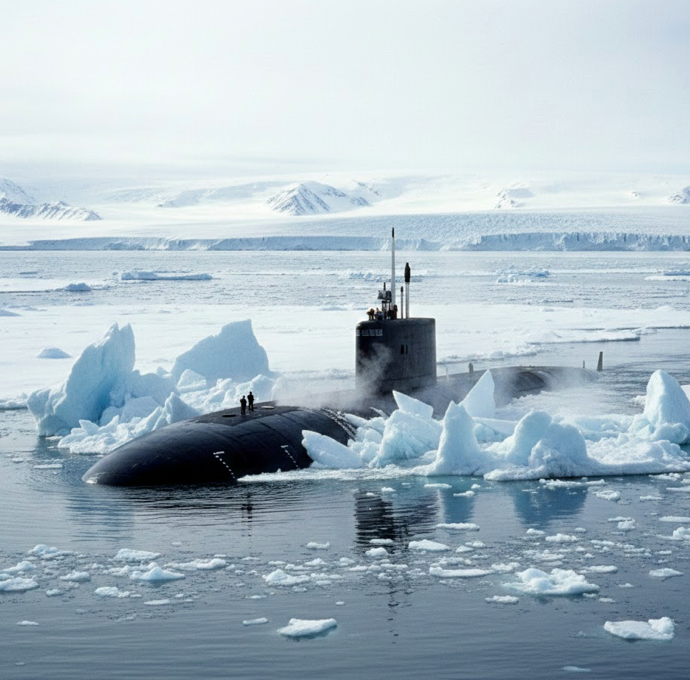
Ocean Survival: Marine coating failures sink vessels or strand boats offshore requiring expensive emergency towing and repairs far exceeding preventive coating costs.
Conclusion
Marine environments demand maximum corrosion protection because saltwater destroys everything. Zinc-nickel provides extreme protection for deck hardware and fasteners. Hard chrome survives hydraulic systems and propeller shafts. Copper alloys resist biofouling on underwater surfaces. Classification society approvals prove coating performance for commercial vessels. ISO certifications demonstrate quality and environmental compliance. Marine coating failures sink boats and strand vessels requiring expensive emergency repairs and towing.
Next Steps
Test coatings in actual seawater not laboratory salt spray before specifying. Document exposure conditions including immersion depth and water temperature. Find coating shops with marine experience and classification society approvals. Budget for regular inspection and maintenance coating cycles. Understand sacrificial anode requirements complementing coating protection. Marine demands proven performance because failures occur offshore where repairs cost exponentially more than proper coating upfront.
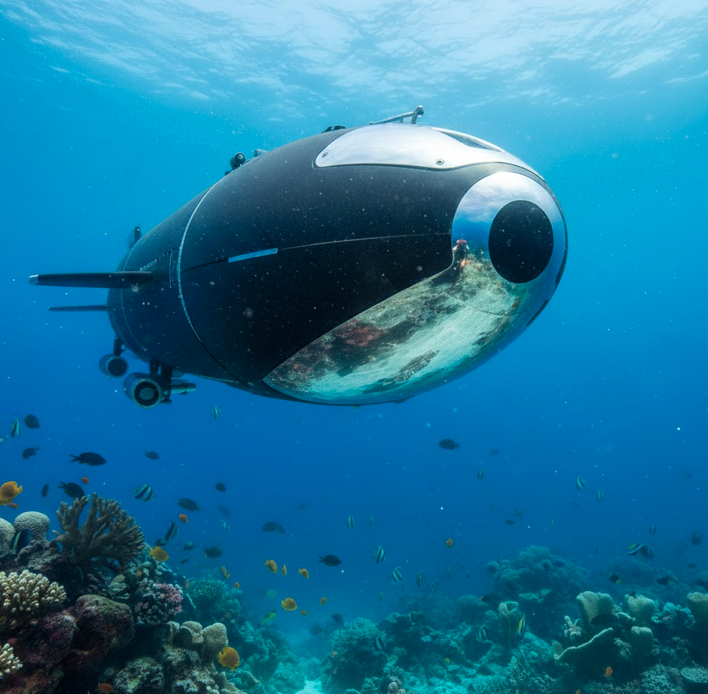
Vessel Components: Propeller shafts, deck hardware, and underwater fittings require specialized coatings resisting saltwater corrosion and biological fouling for decades of service.
Specific Parts
Marine equipment survives the most corrosive environment on earth. Saltwater immersion, biological fouling, and mechanical stress attack simultaneously. Below are marine-specific parts with coating recommendations based on naval architecture standards and commercial maritime experience.
Zinc-nickel on deck fasteners provides 1000+ hour salt spray resistance surviving constant spray and temperature cycling in open ocean.
Hard chrome on propeller shafts prevents saltwater corrosion and wear from shaft rotation maintaining seal integrity for years between haul-outs.
Copper-nickel coating on underwater fittings resists biofouling and galvanic corrosion better than stainless steel in seawater environments.
Electroless nickel on valve bodies protects from saltwater intrusion maintaining precise flow control in ballast and bilge systems.
Zinc spray on hull steel provides sacrificial protection in splash zones where saltwater and air accelerate corrosion dramatically.
Hard chrome plating on hydraulic cylinders survives saltwater exposure maintaining seal surfaces through thousands of steering cycles.
Passivated stainless on railings resists crevice corrosion from standing water and salt accumulation on deck surfaces.
Nickel-chrome on navigation lights maintains electrical conductivity and corrosion resistance despite continuous salt spray exposure.
Bronze with protective clear coat on through-hulls prevents dezincification while maintaining anti-fouling properties underwater.
Aluminum anodize on mast components provides corrosion protection with minimal weight penalty critical for vessel stability.
Zinc-nickel on deck fasteners provides 1000+ hour salt spray resistance surviving constant spray and temperature cycling in open ocean.
Hard chrome on propeller shafts prevents saltwater corrosion and wear from shaft rotation maintaining seal integrity for years between haul-outs.
Copper-nickel coating on underwater fittings resists biofouling and galvanic corrosion better than stainless steel in seawater environments.
Electroless nickel on valve bodies protects from saltwater intrusion maintaining precise flow control in ballast and bilge systems.
Zinc spray on hull steel provides sacrificial protection in splash zones where saltwater and air accelerate corrosion dramatically.
Hard chrome plating on hydraulic cylinders survives saltwater exposure maintaining seal surfaces through thousands of steering cycles.
Passivated stainless on railings resists crevice corrosion from standing water and salt accumulation on deck surfaces.
Nickel-chrome on navigation lights maintains electrical conductivity and corrosion resistance despite continuous salt spray exposure.