
Electroplating Industries.
Electroplating industries span aerospace, automotive, medical, electronics, defense, energy, and consumer products. Each sector depends on qualified electroplating suppliers to deliver precision coatings that meet demanding performance, reliability, and regulatory requirements.
Automotive Industry
General Overview

Mass Production: Automotive plants produce millions of plated components annually demanding consistent quality at high volume throughput.
Summary
Automotive plating runs at insane volumes with zero tolerance for failure. You're coating millions of parts annually where one bad batch shuts down assembly lines costing thousands per minute. Zinc and zinc-nickel dominate for corrosion protection. Decorative chrome still rules trim pieces. Hard chrome saves engines and transmissions. Every coating gets salt spray tested because road salt is brutal and warranty claims are expensive.
Coatings
Volume automotive uses three coating families. Zinc variants handle functional hardware because they're fast, cheap, and reliable against rust. Decorative chrome-nickel-copper stacks make trim shine for years. Hard chrome coats engine internals where wear would kill performance. Every major OEM has approved process specs. Deviate and you're off the supplier list. Simple as that.
| Coating | Performance | Cost | Application |
|---|---|---|---|
| Zinc-Nickel | Fasteners, brackets, suspension components for salt spray resistance | ||
| Decorative Chrome | Bumpers, grilles, trim pieces requiring mirror finish and outdoor durability | ||
| Hard Chrome | Piston rods, cylinder bores, transmission shafts needing wear resistance |
Specifications
OEMs write specs tighter than a head bolt. ASTM B633 governs zinc coatings on fasteners with salt spray requirements by service class. GMW3044 defines GM's zinc-nickel process. ISO 9227 standardizes corrosion testing across continents. You quote to spec, plate to spec, test to spec. No shortcuts. Failed parts come back by the truckload and you're paying the freight both ways.
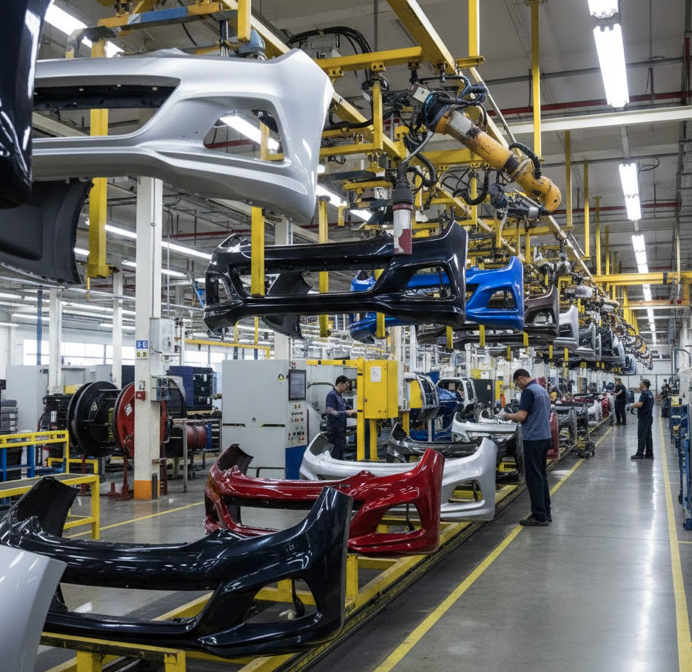
Tier One Standard: OEM specifications demand perfect coating adhesion, thickness control, and corrosion resistance with zero tolerance for defects.
Certifications
Automotive suppliers live and die by certs. ISO 9001 proves you've got quality systems that actually work. IATF 16949 is the automotive-specific upgrade that major OEMs demand. ISO 14001 shows environmental compliance because hexavalent chrome restrictions are real. Without these certs you don't even get a callback from purchasing departments.
- IATF 16949 - Automotive quality management system standard
- ISO 9001 - Foundation quality management certification
- ISO 14001 - Environmental management for chemical compliance
Frequently Asked Questions
Why does automotive demand such tight coating thickness tolerances?
Too thin and parts rust before warranty expires, too thick and threads don't fit or parts jam during assembly. We're talking about 5-15 microns controlled to +/- 2 microns. At production volumes one micron off means thousands of rejects. Automated lines don't forgive. Every batch gets XRF tested because visual inspection tells you nothing about thickness.
What's the real difference between zinc and zinc-nickel?
Zinc gets you to maybe 300 hours salt spray. Zinc-nickel with 12-15% nickel hits 1000+ hours easily. Costs about 30% more but meets modern corrosion standards. Road salt is worse than ocean spray in some climates. Undercarriage parts need zinc-nickel, period. Regular zinc is fine for protected interior brackets but that's about it these days.
Can decorative chrome survive modern car washes?
Good chrome-nickel-copper stack survives decades of automatic washes. Cheap chrome without proper nickel undercoat peels in two years. The copper layer provides adhesion, nickel gives corrosion barrier, chrome adds shine. Skip steps to save money and you're repainting corroded parts under warranty. Chemistry matters more than marketing claims about new processes.
Why do engine components need hard chrome instead of regular plating?
Hard chrome goes 65+ Rockwell C, regular nickel hits maybe 50. Piston rings scrape cylinder walls millions of cycles. Soft coating wears through in 10,000 miles. Hard chrome survives 200,000 miles of metal-on-metal contact plus combustion heat. Oil doesn't fix soft surfaces. Physics demands hardness and chrome delivers it cheaper than exotic coatings.
How critical is hydrogen embrittlement control on high-strength fasteners?
Catastrophically critical. Grade 10.9 bolts above 320 HV absolutely need baking after plating to drive out absorbed hydrogen. Skip the bake and fasteners snap under torque during assembly or crack in service. Delayed fracture kills suspension and engine mounts. ASTM B850 defines baking requirements. High-strength steel plus plating without proper heat treatment equals liability nightmare.
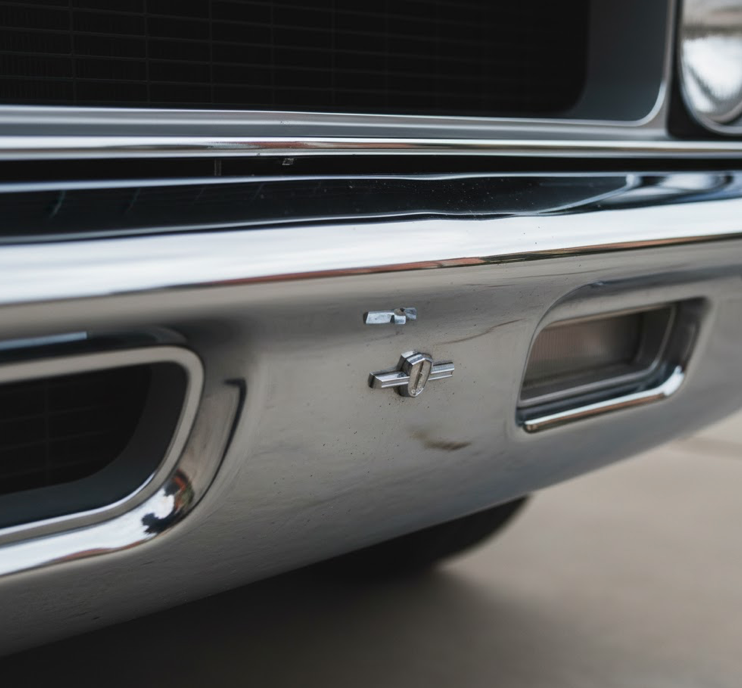
No Compromises: Every penny per part multiplies across millions of vehicles making coating process efficiency critical to profitability.
Conclusion
Automotive plating combines massive scale with unforgiving quality standards. Zinc-nickel protects against road salt. Decorative chrome maintains brand appearance. Hard chrome extends component life in extreme wear applications. Every process requires documented controls, regular testing, and certified quality systems. Succeed here and you've mastered high-volume precision coating. Fail and warranty claims bury you before the next model year.
Next Steps
Review OEM specifications for your target applications. Understand salt spray requirements and torque-tension specs for fasteners. Find shops certified to IATF 16949 with automotive experience. Request PPAP documentation and capability studies. Test sample batches through your assembly process before committing to volume production. Automotive tolerates zero surprises after tooling launch.
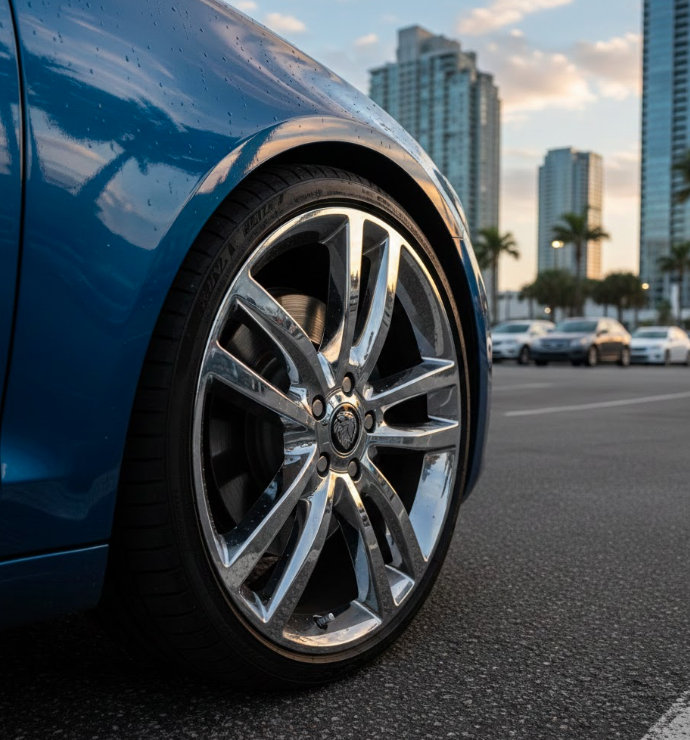
Component Catalog: Thousands of automotive parts from engine bay to exhaust system require specific electroplating solutions for durability.
Specific Parts
Modern vehicles contain thousands of plated components from engine bay to exhaust tip. Each part faces unique environmental and mechanical stresses requiring specific coating solutions. Below you'll find automotive components with industry-standard coating recommendations based on actual OEM specifications and field performance data.
Zinc-nickel alloy coating provides 1000+ hours salt spray protection for underbody components exposed to deicing chemicals year-round.
Electroless nickel creates uniform thickness on complex geometries while providing wear resistance for high-cycle mechanical assemblies.
Decorative bright chrome over copper-nickel maintains automotive exterior appearance standards through decades of UV and weather exposure.
Hard chrome plating achieves 900+ HV surface hardness essential for preventing galling on sliding and rotating powertrain components.
Mechanical zinc plating offers consistent thickness control on threaded fasteners while maintaining torque-tension specifications after installation.
Trivalent chromate conversion coating seals zinc surfaces against white rust formation during shipping and storage before assembly.
Phosphate coating provides paint adhesion base for body panels while offering temporary rust protection through manufacturing process.
Black oxide finish creates corrosion-resistant surface on springs and clips without adding thickness that interferes with fit tolerances.
Tin plating maintains solderability on electrical terminals while preventing whisker growth that causes short circuits in modern electronics.
Copper strike layer promotes adhesion on difficult substrates like cast iron and powdered metal before decorative or protective topcoats.
Zinc-nickel alloy coating provides 1000+ hours salt spray protection for underbody components exposed to deicing chemicals year-round.
Electroless nickel creates uniform thickness on complex geometries while providing wear resistance for high-cycle mechanical assemblies.
Decorative bright chrome over copper-nickel maintains automotive exterior appearance standards through decades of UV and weather exposure.
Hard chrome plating achieves 900+ HV surface hardness essential for preventing galling on sliding and rotating powertrain components.
Mechanical zinc plating offers consistent thickness control on threaded fasteners while maintaining torque-tension specifications after installation.
Trivalent chromate conversion coating seals zinc surfaces against white rust formation during shipping and storage before assembly.