
Electroplating Industries.
Electroplating industries span aerospace, automotive, medical, electronics, defense, energy, and consumer products. Each sector depends on qualified electroplating suppliers to deliver precision coatings that meet demanding performance, reliability, and regulatory requirements.
Electronics Industry
General Overview
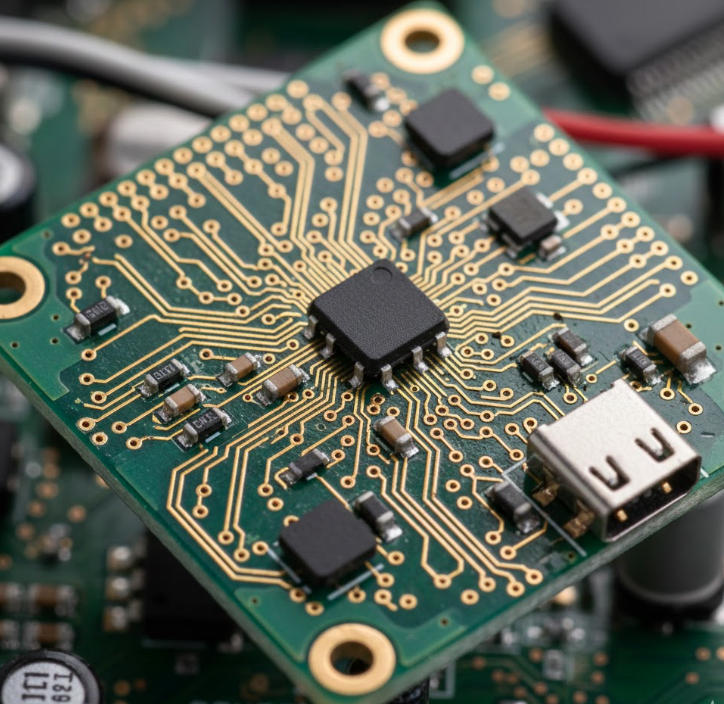
Micro Precision: Tolerances measured in microns.
Summary
Electronics plating operates at microscopic scales where human hair looks enormous. Gold flash measures 2-5 microinches on connector contacts. Tin-lead coatings must stay solderable through months of shelf life. PCB edge connectors need wear resistance surviving 10,000+ insertion cycles. RoHS compliance eliminated lead forcing complete process redesigns. One contaminated plating bath ruins thousands of circuit boards worth millions. Cleanliness and control matter more than raw coating thickness.
Coatings
Electronics demands conductivity, solderability, and contact reliability. Gold provides lowest resistance contacts that never oxidize. Tin replaces lead meeting RoHS while maintaining solderability. Nickel creates diffusion barriers preventing copper migration into gold. Silver handles high-frequency signals with minimal loss. Every coating thickness gets measured in microinches not mils. Process control runs tighter than pharmaceutical manufacturing because microscopic defects cause field failures.
Specifications
Electronics specs focus on electrical properties and long-term reliability. ASTM B488 governs gold plating thickness and purity for contacts. IPC-4552 defines nickel-gold requirements on printed circuit boards. MIL-G-45204 covers military electronics gold coating. J-STD-001 soldering specs indirectly control coating solderability. Whisker growth testing prevents tin whiskers shorting circuits. Every specification exists because field failures cost more than prevention through proper process control.
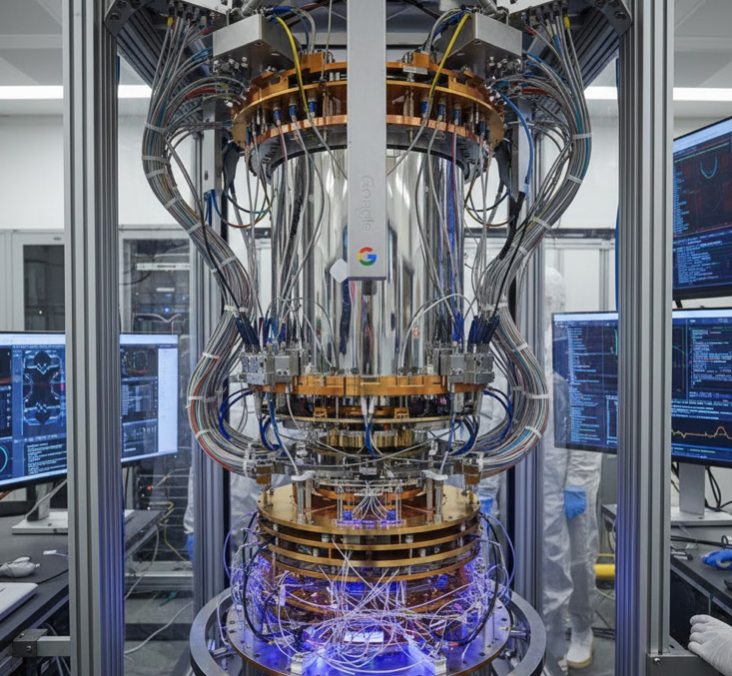
Quality Systems: ISO 9001 minimum requirement.
Certifications
Electronics suppliers require ISO 9001 proving documented quality systems. RoHS compliance certification demonstrates heavy metal control. IATF 16949 matters for automotive electronics. Conflict minerals reporting verifies gold sourcing. Customer-specific approvals from Apple, Samsung, or other OEMs can take years to achieve. Clean room capabilities and electrostatic discharge controls protect sensitive components. Quality certifications open doors but customer audits determine if you keep contracts.
- ISO 9001 - Quality management system foundation
- RoHS - Restriction of hazardous substances compliance
- IATF 16949 - Automotive electronics quality standard
Frequently Asked Questions
Why do connector contacts use such thin gold coatings?
Gold at 30-50 microinches provides contact reliability while controlling cost on high-volume production. Thicker gold doesn't improve performance but adds dollars per connector. Nickel underplate prevents copper diffusion reaching gold surface. Contact physics shows 2-5 microinches of hard gold survives 10,000+ insertions when properly applied. Consumer electronics can't absorb thick gold costs so engineers optimize minimum effective thickness through testing.
What causes tin whiskers and how do coatings prevent them?
Compressive stress in pure tin coatings forces metal to grow crystalline whiskers that short adjacent circuits. Lead in tin-lead alloys prevented whiskers but RoHS banned lead. Matte tin, grain-refined tin, and nickel underplates reduce whisker growth. Reflow melting after plating relieves stress. Testing requires months monitoring samples for whisker formation. Some electronics still fail from whiskers years after manufacturing despite prevention efforts.
How does nickel underplate improve gold contact performance?
Nickel blocks copper diffusion that would reach gold surface creating high-resistance oxides. Copper migration through thin gold causes contact failures within months at elevated temperatures. Nickel also provides hardness supporting soft gold under mechanical stress. Typical stack uses 50-100 microinches nickel under 30-50 microinches gold. Without nickel barrier, gold contacts fail prematurely regardless of gold purity or thickness.
Why did RoHS elimination of lead cause such massive industry disruption?
Tin-lead solderability was perfected over 60 years with known wetting characteristics and proven reliability. Pure tin requires different fluxes, higher temperatures, and creates whisker risks. Circuit board finishes, component coatings, and assembly processes all needed redesign simultaneously. Early lead-free conversions caused field failures from whiskers and poor solder joints. Industry spent billions requalifying everything. Some applications still use lead exemptions because lead-free alternatives aren't reliable enough.
What contamination levels cause electronics plating bath failures?
Parts per million organic contamination ruins gold brightness and contact resistance. Heavy metal cross-contamination from prior process steps causes plating defects. Carbon treatment and continuous filtration maintain bath purity. Analytical testing catches contamination before producing bad parts. One contaminated rack ruins hundreds of circuit boards. Electronics plating uses pharmaceutical-grade water and chemicals. Clean room protocols prevent airborne particles landing in baths. Contamination control costs more than actual plating chemicals.
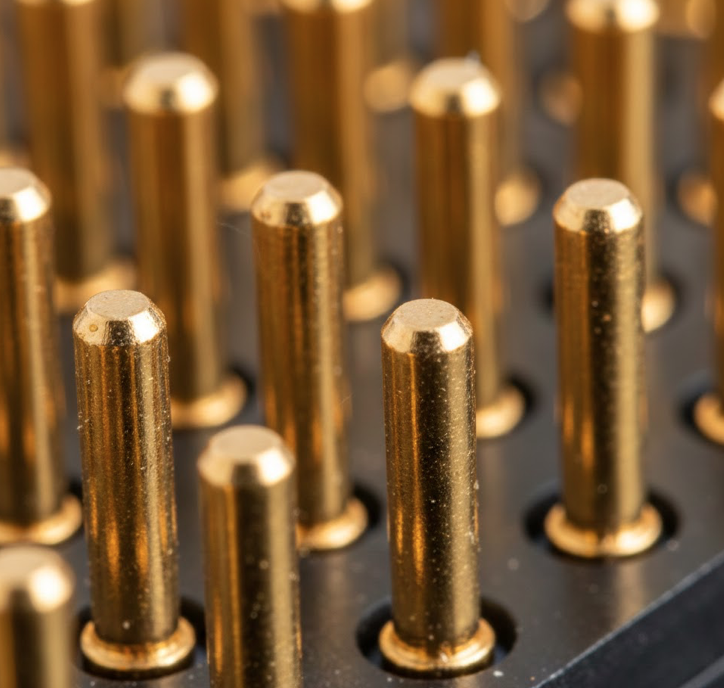
Microscopic Control: Microinches determine success.
Conclusion
Electronics plating operates at microscopic scales requiring extreme process control. Gold provides reliable electrical contacts measured in microinches. Tin replaced lead meeting RoHS while maintaining solderability. Nickel prevents copper diffusion destroying contact performance. Every coating faces whisker growth, contamination, and reliability challenges. ISO 9001 and RoHS certifications demonstrate quality systems and regulatory compliance. Electronics manufacturers demand consistent microscopic precision across millions of components monthly.
Next Steps
Define electrical and mechanical requirements for your application including insertion cycles and environmental exposure. Understand RoHS compliance needs and customer-specific restrictions. Request plating process capability data showing thickness control and contamination monitoring. Find ISO 9001 certified shops with electronics experience and clean room facilities. Test samples through accelerated life testing and thermal cycling. Electronics demands process control exceeding most industries so verify analytical capabilities before committing to production.
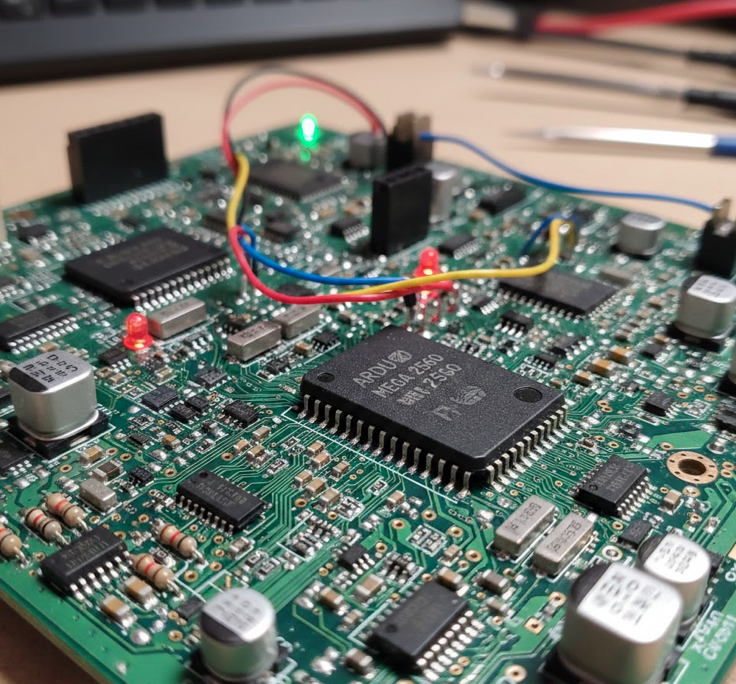
Electronic Components: Circuits and connections.
Specific Parts
Electronic components require coatings providing electrical conductivity, solderability, or corrosion protection at microscopic dimensions. Manufacturing tolerances measure in microinches not mils. Below are electronics-specific parts with coating recommendations based on industry specifications and high-volume production experience.
Gold plating ensures lowest contact resistance and zero oxidation for critical signal paths in smartphones, computers, and data center equipment.
Nickel underplate creates diffusion barrier preventing copper migration that would degrade gold contact performance at elevated operating temperatures.
Matte tin finish provides RoHS-compliant solderability with reduced whisker growth risk compared to bright tin coatings on component leads.
Selective gold plating on PCB edge connector fingers balances cost against reliability for high-speed data transmission applications.
Silver coating maintains RF signal integrity in antenna connections and microwave circuits operating at gigahertz frequencies.
Tin-copper alloy eliminates pure tin whisker growth while maintaining solderability for automotive electronics enduring temperature extremes.
Electroless nickel-gold provides uniform coating thickness on complex PCB geometries ensuring consistent solderability across entire board surface.
Palladium-nickel-gold stack reduces gold usage while maintaining contact reliability making high-volume consumer electronics cost-effective.
Electrolytic nickel-gold with controlled thickness optimizes wear resistance for insertion-withdrawal cycles in memory card slots.
Nickel-phosphorus coating provides EMI shielding and wear resistance on connector shells protecting internal gold contacts from damage.
Gold plating ensures lowest contact resistance and zero oxidation for critical signal paths in smartphones, computers, and data center equipment.
Nickel underplate creates diffusion barrier preventing copper migration that would degrade gold contact performance at elevated operating temperatures.
Matte tin finish provides RoHS-compliant solderability with reduced whisker growth risk compared to bright tin coatings on component leads.
Selective gold plating on PCB edge connector fingers balances cost against reliability for high-speed data transmission applications.
Silver coating maintains RF signal integrity in antenna connections and microwave circuits operating at gigahertz frequencies.
Tin-copper alloy eliminates pure tin whisker growth while maintaining solderability for automotive electronics enduring temperature extremes.
Electroless nickel-gold provides uniform coating thickness on complex PCB geometries ensuring consistent solderability across entire board surface.
Palladium-nickel-gold stack reduces gold usage while maintaining contact reliability making high-volume consumer electronics cost-effective.
Electrolytic nickel-gold with controlled thickness optimizes wear resistance for insertion-withdrawal cycles in memory card slots.
Bright tin coating meets RoHS requirements providing solderable surface that resists oxidation for 12+ months shelf life before assembly.
Gold plating ensures lowest contact resistance and zero oxidation for critical signal paths in smartphones, computers, and data center equipment.
Nickel underplate creates diffusion barrier preventing copper migration that would degrade gold contact performance at elevated operating temperatures.
Matte tin finish provides RoHS-compliant solderability with reduced whisker growth risk compared to bright tin coatings on component leads.
Selective gold plating on PCB edge connector fingers balances cost against reliability for high-speed data transmission applications.
Silver coating maintains RF signal integrity in antenna connections and microwave circuits operating at gigahertz frequencies.
Tin-copper alloy eliminates pure tin whisker growth while maintaining solderability for automotive electronics enduring temperature extremes.
Electroless nickel-gold provides uniform coating thickness on complex PCB geometries ensuring consistent solderability across entire board surface.
Palladium-nickel-gold stack reduces gold usage while maintaining contact reliability making high-volume consumer electronics cost-effective.
Electrolytic nickel-gold with controlled thickness optimizes wear resistance for insertion-withdrawal cycles in memory card slots.
Solder mask over bare copper protects PCB traces from oxidation while selective pad coating maintains assembly solderability.
Gold plating ensures lowest contact resistance and zero oxidation for critical signal paths in smartphones, computers, and data center equipment.
Nickel underplate creates diffusion barrier preventing copper migration that would degrade gold contact performance at elevated operating temperatures.
Matte tin finish provides RoHS-compliant solderability with reduced whisker growth risk compared to bright tin coatings on component leads.
Selective gold plating on PCB edge connector fingers balances cost against reliability for high-speed data transmission applications.
ENIG nickel-gold finish on PCB pads maintains solderability through multiple reflow cycles while preventing copper oxidation during storage.
Tin-copper alloy eliminates pure tin whisker growth while maintaining solderability for automotive electronics enduring temperature extremes.
Electroless nickel-gold provides uniform coating thickness on complex PCB geometries ensuring consistent solderability across entire board surface.
Bright tin coating meets RoHS requirements providing solderable surface that resists oxidation for 12+ months shelf life before assembly.
Electrolytic nickel-gold with controlled thickness optimizes wear resistance for insertion-withdrawal cycles in memory card slots.
Solder mask over bare copper protects PCB traces from oxidation while selective pad coating maintains assembly solderability.
Gold plating ensures lowest contact resistance and zero oxidation for critical signal paths in smartphones, computers, and data center equipment.
Nickel underplate creates diffusion barrier preventing copper migration that would degrade gold contact performance at elevated operating temperatures.
Matte tin finish provides RoHS-compliant solderability with reduced whisker growth risk compared to bright tin coatings on component leads.
Selective gold plating on PCB edge connector fingers balances cost against reliability for high-speed data transmission applications.
Silver coating maintains RF signal integrity in antenna connections and microwave circuits operating at gigahertz frequencies.
Tin-copper alloy eliminates pure tin whisker growth while maintaining solderability for automotive electronics enduring temperature extremes.
Electroless nickel-gold provides uniform coating thickness on complex PCB geometries ensuring consistent solderability across entire board surface.
Palladium-nickel-gold stack reduces gold usage while maintaining contact reliability making high-volume consumer electronics cost-effective.
Electrolytic nickel-gold with controlled thickness optimizes wear resistance for insertion-withdrawal cycles in memory card slots.
Solder mask over bare copper protects PCB traces from oxidation while selective pad coating maintains assembly solderability.
Gold plating ensures lowest contact resistance and zero oxidation for critical signal paths in smartphones, computers, and data center equipment.
Nickel underplate creates diffusion barrier preventing copper migration that would degrade gold contact performance at elevated operating temperatures.
Matte tin finish provides RoHS-compliant solderability with reduced whisker growth risk compared to bright tin coatings on component leads.
Selective gold plating on PCB edge connector fingers balances cost against reliability for high-speed data transmission applications.