
Electroplating Industries.
Electroplating industries span aerospace, automotive, medical, electronics, defense, energy, and consumer products. Each sector depends on qualified electroplating suppliers to deliver precision coatings that meet demanding performance, reliability, and regulatory requirements.
Manufacture Industry
General Overview
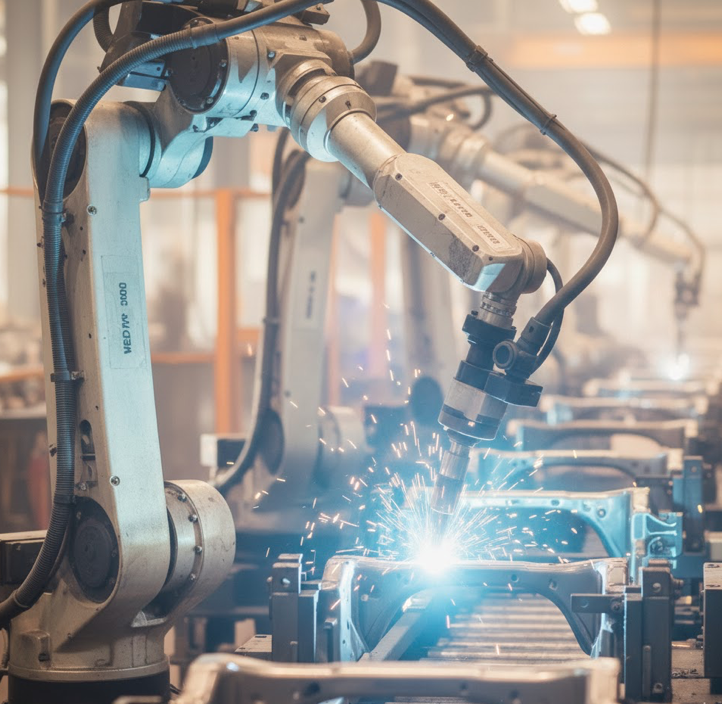
Production Tools: Manufacturing machinery and tooling depend on hard chrome and electroless nickel extending production life from thousands to millions of cycles economically.
Summary
Manufacturing relies on electroplating protecting the tools that make everything else. Hard chrome on molds and dies extends production life from thousands to millions of cycles. Nickel-phosphorus creates precise build-up repairing worn machine components for pennies versus replacement dollars. Zinc protects structural steel from rust in factory environments. One failed coating shuts production lines costing thousands per hour in lost output plus emergency replating premiums.
Coatings
Manufacturing coatings prioritize wear resistance and dimensional control. Hard chrome survives abrasion and heat on injection molds and extrusion dies. Electroless nickel provides uniform buildup restoring worn shafts and bearing surfaces to specification. Zinc coatings protect fabricated steel from corrosion during storage and service. Chrome-free alternatives gain traction as environmental regulations tighten. Every coating decision balances performance against production costs and downtime.
| Coating | Performance | Cost | Application |
|---|---|---|---|
| Hard Chrome | Injection molds, extrusion dies requiring extreme wear resistance | ||
| Nickel-Phosphorus | Worn shafts, bearing surfaces needing dimensional restoration | ||
| Zinc | Fabricated steel components protecting against factory corrosion |
Specifications
Manufacturing specs focus on dimensional accuracy and wear life. ASTM B487 governs electroless nickel for salvage operations restoring worn components. SAE J995 defines hard chrome for tooling applications. ASTM B633 covers zinc plating on structural steel. Tool and die shops develop internal specs based on production experience. Real-world cycle testing determines coating performance better than generic salt spray. Downtime costs drive acceptance criteria not laboratory standards.
- ASTM B487 - Electroless nickel for salvage and buildup
- SAE AMS 2460 - Hard chrome for tooling and dies
- ASTM B633 - Zinc coating for fabricated parts
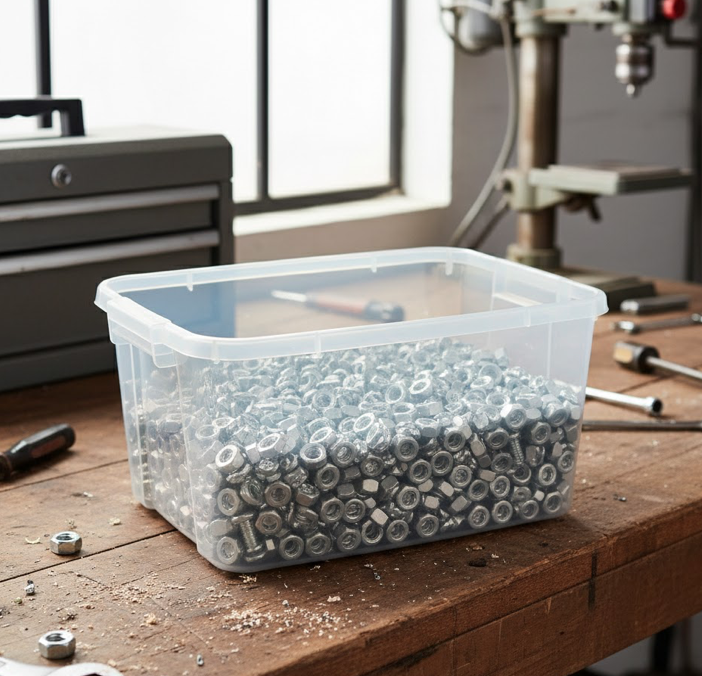
Production Control: Manufacturing coating shops need documented quality systems and quick turnaround preventing costly production line shutdowns from equipment failures.
Certifications
Manufacturing suppliers need ISO 9001 demonstrating process control and traceability. IATF 16949 matters for automotive tool suppliers. Industry-specific certifications depend on end products being manufactured. Environmental compliance becomes critical as chrome alternatives gain adoption. Quick turnaround matters more than certifications when production lines are down. Established relationships with responsive plating shops prevent emergency shutdowns.
- ISO 9001 - Quality management foundation
- IATF 16949 - Automotive tooling suppliers
- ISO 14001 - Environmental management
Frequently Asked Questions
How does hard chrome extend injection mold life?
Molten plastic at 450°F plus glass fiber reinforcement creates extreme abrasion. Uncoated steel molds wear out producing 50,000 parts. Hard chrome at 900+ HV pushes that to 500,000+ parts before requiring refurbishment. Chrome also prevents plastic sticking reducing cycle times. Mold cost might hit $100,000 so extending life 10x justifies $5,000 chrome job easily. We see shops that skimp on chrome replacing molds annually versus every decade.
Can worn machine parts be salvaged with electroless nickel?
Yes, electroless nickel builds uniformly on complex shapes restoring dimensions within 0.001 inch tolerances. Worn shaft gets cleaned, plated to oversize, then machined back to spec. Cost runs maybe 20% of replacement. Critical is finding plating shop with precision grinding capabilities. Not every shop can hold tight tolerances. Production machinery worth $500,000 gets repaired for $5,000 instead of scrapped. This salvage work keeps old equipment running decades past designed life.
Why are manufacturers moving away from hexavalent chrome?
EPA regulations and OSHA worker exposure limits make hex chrome increasingly difficult legally. Alternative processes like trivalent chrome or HVOF thermal spray provide similar performance with less environmental headache. Transition costs millions requalifying tooling but companies want to avoid future liability. Some industries still use hex chrome under exemptions but writing is on the wall. Next generation manufacturing avoids hex chrome from day one despite higher initial process development costs.
What causes fish-eyes and pitting on plated parts?
Contamination from oils, drawing compounds, or rust pitting on substrate creates plating defects. Proper cleaning removes all surface contaminants before plating. Deep pits require grinding out or acceptance as cosmetic defects if not in critical areas. Fish-eyes from silicone contamination are worst because silicone spreads through plating baths ruining hundreds of parts. Manufacturing environments full of cutting fluids and lubricants make contamination control challenging. Extra cleaning steps cost time but prevent scrap.
How fast can emergency plating happen?
Established relationships with local plating shops enable same-day service on critical components. Cold shops offering commodity plating take weeks. Emergency work costs 2-3x normal pricing but beats production downtime costing $10,000 hourly. Smart manufacturers maintain backup tooling and established plating relationships. Waiting until crisis hits means accepting whatever plating shop can fit you in regardless of quality or cost. Pay for expedite or pay for downtime, pick your expensive option.
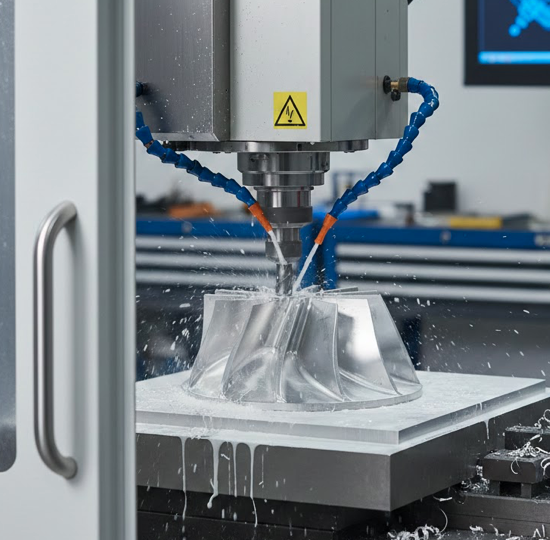
Uptime Critical: Every hour of manufacturing downtime costs thousands making coating durability and emergency repair response critical for maintaining production schedules.
Conclusion
Manufacturing relies on plating extending tool life and repairing worn equipment economically. Hard chrome protects molds and dies through millions of cycles. Electroless nickel salvages expensive machinery at fraction of replacement cost. Zinc prevents corrosion on fabricated steel components. Environmental regulations drive adoption of chrome alternatives. ISO 9001 certification demonstrates quality control but emergency responsiveness matters more when lines are down. Smart manufacturers maintain plating relationships preventing costly production shutdowns.
Next Steps
Identify critical tooling and equipment requiring coating protection or repair. Calculate downtime costs versus coating investment to justify proper specifications. Find local plating shops offering emergency service for production critical items. Test chrome alternatives on non-critical tooling before committing to full conversion. Establish relationships before emergencies hit. Manufacturing can\'t afford waiting weeks for commodity plating when production lines are idle.
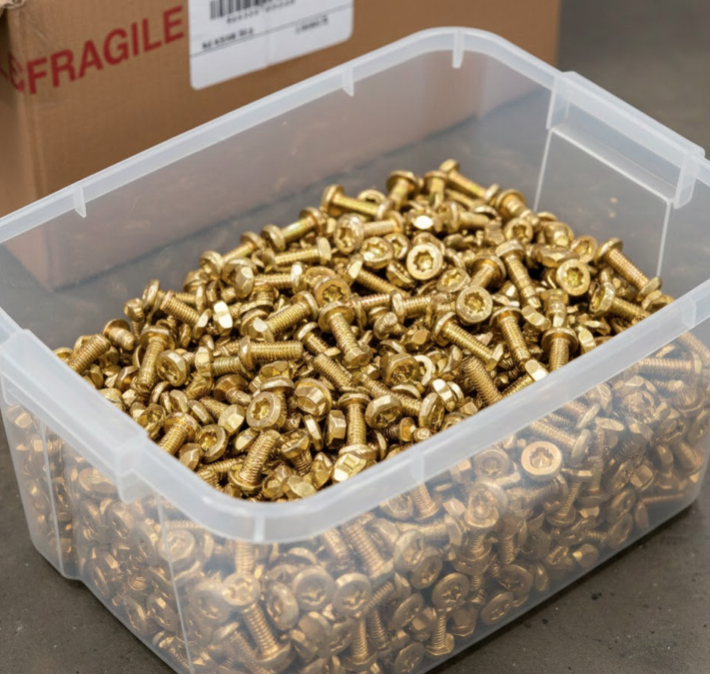
Production Equipment: Injection molds, extrusion dies, and worn machinery components get extended service life through precision coating application and salvage work.
Specific Parts
Manufacturing equipment depends on coatings providing wear resistance, corrosion protection, and dimensional restoration. Each component impacts production efficiency and uptime. Below are manufacturing-specific parts with coating recommendations based on decades of industrial experience.
Hard chrome on injection molds prevents plastic adhesion and abrasion wear extending production life from 50,000 to 500,000+ molding cycles.
Electroless nickel builds worn shaft diameters back to specification within 0.001 inch tolerance salvaging equipment at 10% replacement cost.
Zinc plating on fabricated steel frames protects against factory humidity and coolant exposure preventing rust during storage and service.
Chrome plating on extruder screws resists polymer abrasion maintaining output consistency through millions of extrusion cycles.
Nickel-phosphorus on hydraulic rams provides corrosion and wear resistance maintaining seal integrity under 3000 PSI operating pressure.
Hard anodize on aluminum tooling plates prevents galling and provides electrical insulation for automated handling systems.
Electroless nickel-PTFE on conveyor components reduces friction preventing jams while resisting chemical exposure from process fluids.
Black oxide on precision ground shafts provides mild corrosion protection without adding thickness affecting bearing fits.
Zinc-nickel on structural bolts and fasteners survives factory environments providing 1000+ hour salt spray resistance.
Hard chrome on punch press tooling extends die life through millions of stamping operations preventing dimensional drift.
Hard chrome on injection molds prevents plastic adhesion and abrasion wear extending production life from 50,000 to 500,000+ molding cycles.
Electroless nickel builds worn shaft diameters back to specification within 0.001 inch tolerance salvaging equipment at 10% replacement cost.
Zinc plating on fabricated steel frames protects against factory humidity and coolant exposure preventing rust during storage and service.
Chrome plating on extruder screws resists polymer abrasion maintaining output consistency through millions of extrusion cycles.
Nickel-phosphorus on hydraulic rams provides corrosion and wear resistance maintaining seal integrity under 3000 PSI operating pressure.
Hard anodize on aluminum tooling plates prevents galling and provides electrical insulation for automated handling systems.