
Electroplating Industries.
Electroplating industries span aerospace, automotive, medical, electronics, defense, energy, and consumer products. Each sector depends on qualified electroplating suppliers to deliver precision coatings that meet demanding performance, reliability, and regulatory requirements.
Aviation Industry
General Overview
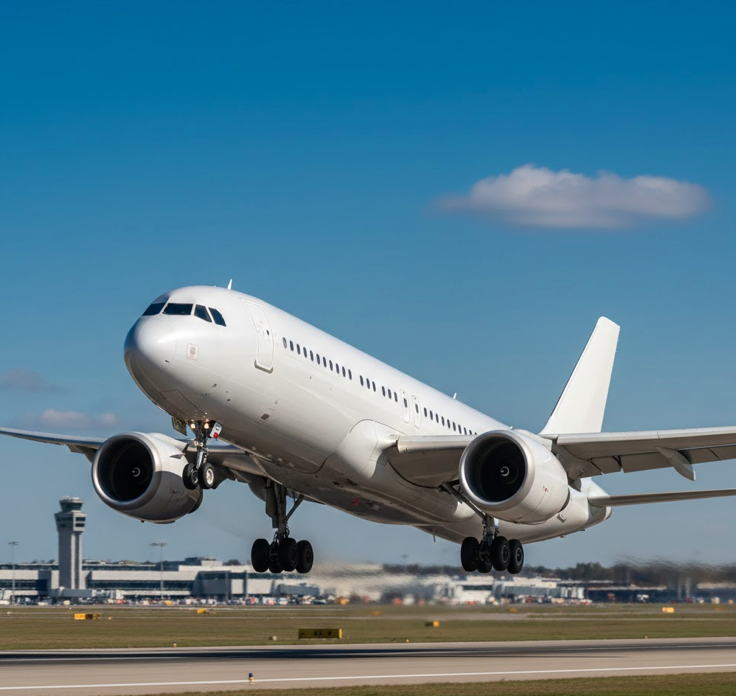
Flight Critical: Zero tolerance for coating failure.
Summary
Aviation plating lives under microscopes where failure means death. Every coating spec traces to FAA certification and aircraft manufacturer approvals. Cadmium ruled for decades until toxicity forced the switch to zinc-nickel and other alternatives. Hard chrome protects landing gear from runway impacts. Gold handles electrical contacts in avionics where one bad connection crashes navigation systems. Traceability documentation weighs more than the parts.
Coatings
Aviation coatings balance extreme performance with regulatory compliance. Cadmium replacements like zinc-nickel provide corrosion protection without heavy metal liability. Hard chrome survives hydraulic cylinder cycling and landing gear abuse. Silver and gold ensure electrical continuity in systems where signal loss kills passengers. Every process runs to military specifications. Quality escapes ground fleets permanently.
| Coating | Performance | Cost | Application |
|---|---|---|---|
| Zinc-Nickel | Fasteners, structural components replacing cadmium for corrosion resistance | ||
| Hard Chrome | Landing gear, hydraulic cylinders requiring extreme wear resistance | ||
| Silver | Electrical contacts, waveguides, RF components needing conductivity |
Specifications
Military specs aren't suggestions in aviation. MIL-DTL-81706 governs cadmium alternatives that keep aircraft flying. SAE AMS 2460 defines hard chrome for landing gear that hits concrete at 150 knots. ASTM B633 covers zinc requirements when weight budgets allow thicker coatings. Boeing and Airbus maintain approved process lists. Get on the list or forget the industry. Audits happen constantly and they check everything.
- MIL-DTL-81706 - Cadmium alternative coating specification for corrosion protection
- SAE AMS 2460 - Hard chrome plating for high wear applications
- ASTM B689 - Electrodeposited silver coating standard
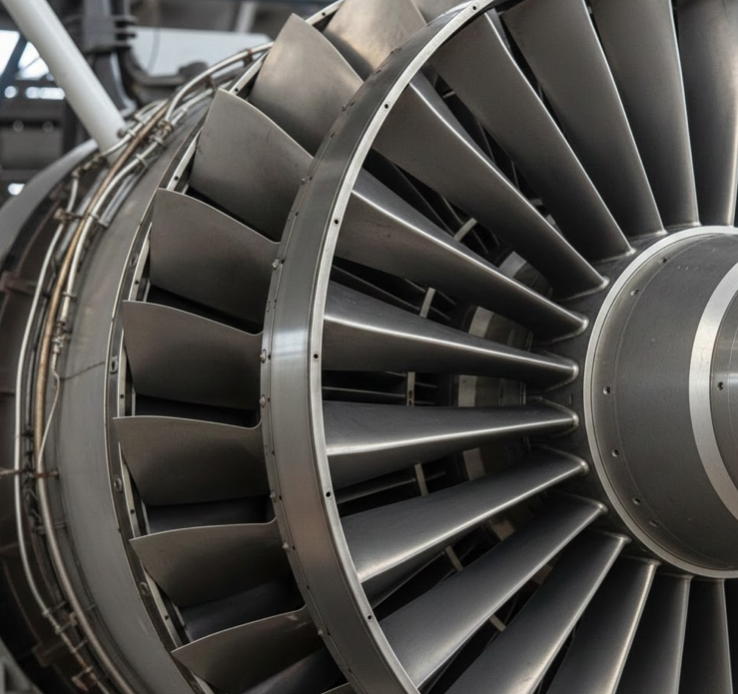
Certified Operations: AS9100 opens aviation doors.
Certifications
Aviation suppliers need AS9100 like pilots need licenses. NADCAP accreditation proves your plating processes meet aerospace requirements through brutal audits. ISO 9001 forms the foundation but aviation demands more. Chemical processing approvals come from PRI or similar registrars. Without proper certs you cannot bid on aviation work. Simple as checking boxes except the boxes have teeth.
Frequently Asked Questions
Why did aviation move away from cadmium plating?
Cadmium is insanely toxic and environmental regulations kept tightening. Workers got sick, disposal costs exploded, and Europe basically banned it. Zinc-nickel with 12-15% nickel content provides similar corrosion protection without killing your plating crew. The switch cost billions in requalification testing but cadmium liability was worse. Some military applications still use it because nothing else survives salt fog testing as well.
What makes aviation plating documentation so intense?
Complete traceability from raw material to installed part. Every chemical batch, temperature reading, and thickness measurement gets recorded and kept for decades. When a plane crashes investigators trace every component's processing history. One missing document grounds an entire fleet. We joke that aviation parts come with more paperwork than metal but that paper prevents catastrophic failures.
How does hard chrome survive landing gear impacts?
Chrome hits 850-1000 HV hardness while maintaining some ductility through proper hydrogen baking. Landing gear slams into concrete hundreds of times carrying 300,000 pounds. Soft coatings would peel on the first touchdown. Hard chrome flexes just enough to absorb shock without cracking or flaking. Thickness runs 0.0005 to 0.002 inches depending on loading. Less coating saves weight, more coating survives abuse longer.
Why does aviation use silver instead of cheaper conductors?
Silver provides the lowest contact resistance and doesn't form insulating oxide layers like copper. In RF systems and critical avionics, signal loss means navigation failure at 35,000 feet. Silver also handles thermal cycling from ground to altitude without degrading. Yeah it costs more but losing an aircraft because you saved fifty bucks on plating is a bad trade. Defense and commercial aviation both spec silver for mission-critical electrical connections.
How long does NADCAP accreditation actually take?
Initial accreditation takes 12-18 months if you start with solid quality systems. Auditors inspect everything from chemical analysis to operator training records. One failed non-conformance and you wait six months to re-audit. Maintaining accreditation requires surveillance audits every 12-24 months depending on findings. It's expensive and painful but without NADCAP you cannot touch aerospace work. Consider it the price of admission to a very exclusive club.
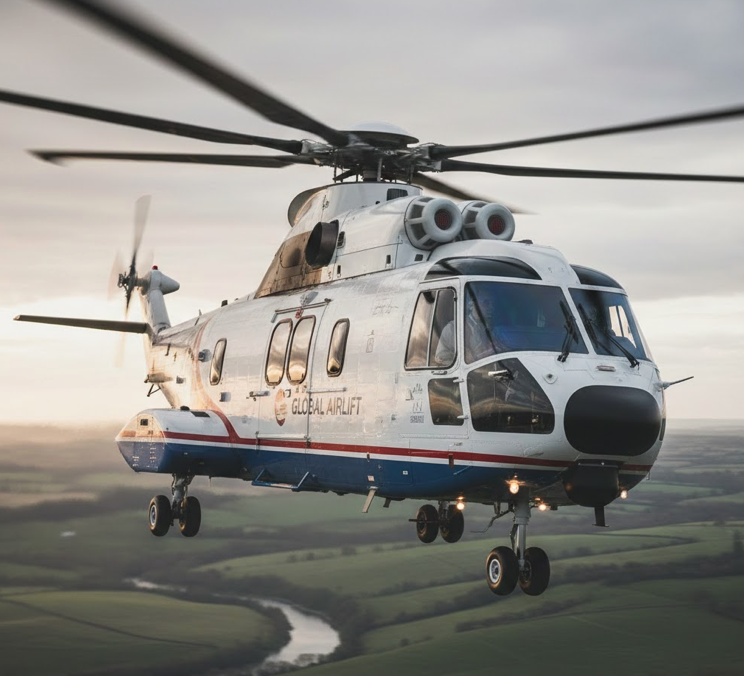
Excellence Required: Aviation accepts nothing less.
Conclusion
Aviation plating represents electroplating at its most demanding. Zinc-nickel replaced cadmium through exhaustive testing. Hard chrome protects components surviving forces that would destroy lesser coatings. Silver and gold ensure electrical systems function when lives depend on signals. Every process runs under AS9100 and NADCAP oversight. Documentation exceeds the weight of coated parts. Master aviation plating and every other industry looks easy by comparison.
Next Steps
Study relevant military specifications for your target components. Understand the difference between commercial and military aviation requirements. Contact AS9100 certified shops with NADCAP accreditation. Request copies of their scope and approval lists from major OEMs. Plan for 18-month qualification timelines on new processes. Aviation moves slowly because failure moves fatally. Build quality systems before chasing aviation contracts.
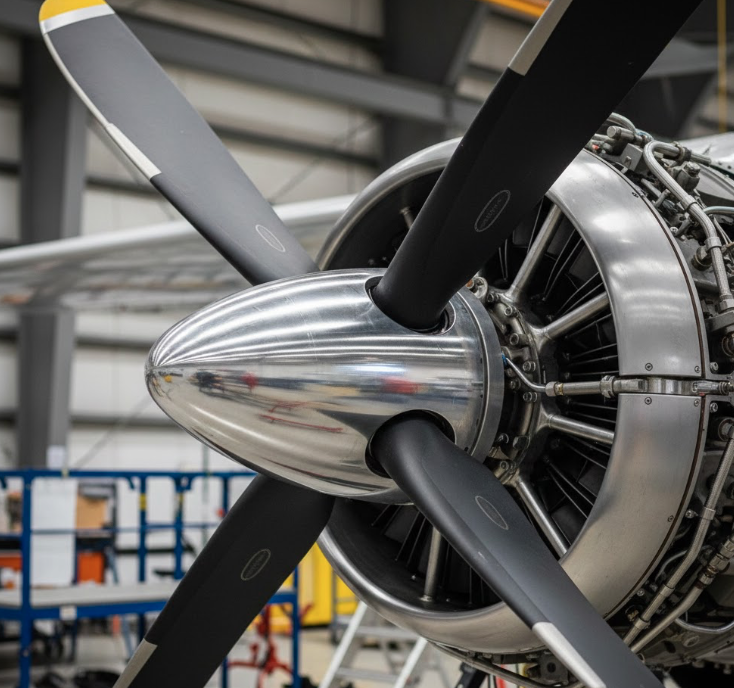
Critical Components: Aviation parts and systems.
Specific Parts
Aircraft contain thousands of precision-coated components operating in extreme conditions from takeoff to landing. Each part meets rigorous specifications developed through decades of testing and occasional disasters. Below are aviation-specific components with coating recommendations based on military specifications and OEM requirements.
Zinc-nickel coating provides aerospace-grade corrosion protection meeting 1000-hour salt spray requirements for structural components and airframe hardware.
Hard chrome plating achieves wear resistance essential for hydraulic systems cycling millions of times during aircraft service life.
Silver finish maintains electrical conductivity in critical avionics and RF systems where contact resistance causes navigation failures.
Electroless nickel creates uniform coating thickness on complex geometries meeting tight aerospace tolerance requirements for fuel and hydraulic components.
Gold flash over nickel prevents contact corrosion in mission-critical electrical connectors operating from ground level to 40,000 feet.
Cadmium alternative coatings meet environmental regulations while providing equivalent corrosion protection for fasteners and structural hardware.
Thermal barrier coatings protect turbine components from exhaust gas temperatures exceeding 1500°F during continuous high-power operations.
Hard anodize on aluminum parts provides wear resistance and corrosion protection for airframe components exposed to weather and deicing chemicals.
Passivate finish on stainless components prevents stress corrosion cracking in high-strength fasteners operating under continuous tensile loading.
Tin-lead plating maintains solderability on electrical terminals and circuit boards despite temperature extremes from ground operations to cruise altitude.
Zinc-nickel coating provides aerospace-grade corrosion protection meeting 1000-hour salt spray requirements for structural components and airframe hardware.
Hard chrome plating achieves wear resistance essential for hydraulic systems cycling millions of times during aircraft service life.