
Electroplating Industries.
Electroplating industries span aerospace, automotive, medical, electronics, defense, energy, and consumer products. Each sector depends on qualified electroplating suppliers to deliver precision coatings that meet demanding performance, reliability, and regulatory requirements.
Agriculture Industry
General Overview
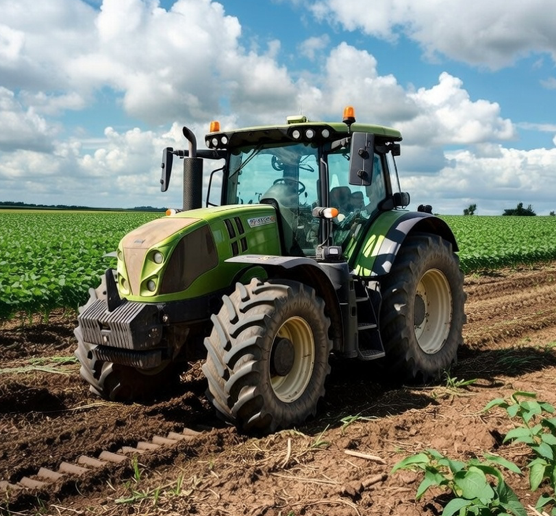
Farm Equipment: Agricultural machinery faces mud, fertilizer, and weather extremes requiring durable protective coatings daily.
Summary
Agriculture throws everything at your equipment. Sun, rain, fertilizer acids, manure, mud, and mechanical abuse that'd make a mechanic cry. You need coatings that laugh at corrosion and shrug off wear. Hot-dip galvanizing keeps structural steel alive for decades. Hard chrome saves hydraulic rods from scratching out. Zinc-nickel protects fasteners through endless wet-dry cycles. It's not fancy, it's survival.
Coatings
Farm equipment lives outside year-round in conditions that'd rust a nail in a week. You've got three workhorses here. Galvanizing for frames and structures because nothing beats thick zinc for outdoor steel. Hard chrome for hydraulic rods and pivot pins because abrasion resistance matters when dirt's everywhere. Zinc-nickel for bolts and brackets because it handles salt, fertilizer, and temperature swings without breaking a sweat.
| Coating | Performance | Cost | Application |
|---|---|---|---|
| Hot-Dip Galvanizing | Structural frames, pivot towers, implements exposed to weather | ||
| Hard Chrome | Hydraulic rods, pivot pins, wear surfaces on moving parts | ||
| Zinc-Nickel | Fasteners, brackets, electronic housings in precision ag equipment |
Specifications
Most ag equipment doesn't need aerospace specs, but you still need quality standards. ASTM B633 covers zinc coatings on fasteners. ASTM B487 handles electroless nickel when you need it. ISO 1461 defines hot-dip galvanizing requirements. Reference these in your drawings so the plating shop knows exactly what you expect. Saves arguments later when parts arrive.
Quality Control: Proven systems mean consistent results.
Certifications
Agriculture suppliers don't need every cert under the sun, but ISO 9001 shows they've got their processes locked down. ISO 14001 proves they're handling waste properly, which matters when you're dealing with plating chemistry. RoHS compliance keeps electronics legal in modern tractors. Basic stuff, but it separates serious shops from garage operations.
Frequently Asked Questions
Why does galvanizing cost more upfront but save money long-term?
Galvanizing applies thick zinc that sacrifices itself to protect the steel underneath. One galvanized pivot tower lasts 25 years outdoors. Paint lasts maybe 5 years before you're recoating. Do the math. You pay once or pay five times. Plus downtime costs when equipment fails mid-season.
Can I use regular zinc instead of zinc-nickel on fasteners?
Regular zinc works fine for indoor bolts. Zinc-nickel handles temperature cycling and chemical exposure way better. Fertilizer spray eats regular zinc in one season. Zinc-nickel keeps going. Costs more per part but you're not replacing fasteners every year or dealing with rust stains on equipment.
Do hydraulic rods really need hard chrome or is that overkill?
Hard chrome isn't overkill when dirt's grinding against your rod every cycle. Scratched rods leak, period. Chrome makes the surface glass-hard so debris slides off instead of gouging. One scratched rod ruins your seal. New cylinder costs way more than chrome plating. It's cheap insurance against expensive downtime.
How thick should galvanizing be on outdoor equipment?
ASTM A123 spec calls for minimum coating weight based on steel thickness. Thicker steel gets more zinc. For most ag frames you're looking at 3-5 mils of zinc. Thicker is better for longer life but adds cost. Talk to your galvanizer about expected service life. 25-year equipment needs thicker coating than 10-year stuff.
What about stainless steel instead of plated parts?
Stainless works great where you can afford it. Problem is stainless costs 3-5x more than plated carbon steel. For critical food-contact surfaces or highly corrosive spots, sure, spend the money. For structural steel and fasteners, galvanized or zinc-nickel gives you 80% of the performance for 20% of the cost. Budget matters in ag equipment.
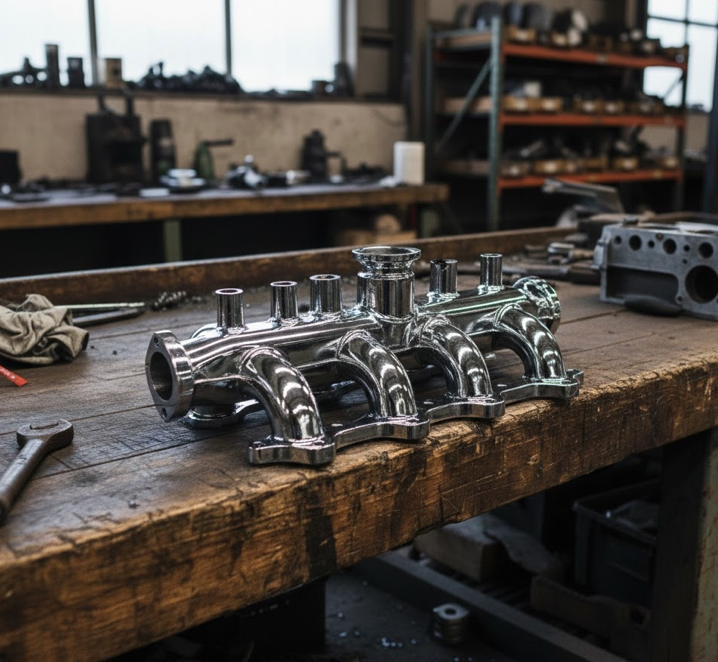
Built to Last: Right coatings mean reliable equipment.
Conclusion
Agriculture demands coatings that survive real abuse. Galvanizing protects steel structures through decades of sun and rain. Hard chrome keeps hydraulics working in dirty conditions. Zinc-nickel handles the chemical cocktail modern farming throws at fasteners. Pick the right coating for each application and your equipment runs when you need it. Skimp on protection and you're replacing parts mid-season. Nobody's got time for that.
Next Steps
Start by listing your parts and their operating conditions. Note which components face weather, chemicals, abrasion, or all three. Match each part to the coating that handles its specific abuse. Get quotes from shops experienced with agricultural equipment who understand harvest deadlines. Test sample parts if you're changing coating types. Documentation saves headaches when production ramps up.

Component Guide: Specific parts and assemblies used in agriculture.
Specific Parts
Every piece of farm equipment has dozens of components that need protection. From GPS sensors on drones to hydraulic cylinders on combines, each part faces unique challenges. Below you'll find specific agricultural components with typical coating recommendations. Click through to learn exact specs and find suppliers who've done the work before.
Lightweight zinc-nickel coatings protect electronics from dust and moisture while maintaining strict weight budgets for optimal flight time.
Biocompatible nickel-chrome or electropolished surfaces meet FDA requirements for animal contact and resist aggressive disinfectant spray.
Hard chrome impellers resist abrasive slurry wear while zinc-nickel housings protect against chemical corrosion in recirculating water systems.
Electropolished stainless or heavy zinc coatings survive constant saltwater immersion and prevent toxic metal leaching into fish habitats.
Medical-grade nickel-chrome or gold plating provides sterile surfaces that withstand cryogenic temperatures and repeated autoclaving without degradation.
Food-grade electropolished stainless or nickel-chrome provides sanitary surfaces that resist caustic cleaning chemicals used daily in dairy operations.
Food-grade electropolished stainless or nickel-chrome provides sanitary surfaces that resist caustic cleaning chemicals used daily in dairy operations.
Electropolished stainless provides sanitary drinking surfaces while zinc-nickel fittings resist algae buildup and chlorine water treatments.
Thin electroless nickel shields electronics from dust ingress while maintaining conductivity for RFID systems tracking livestock movement through facilities.
Chemical-resistant nickel-phosphorus or electroless nickel withstands acidic herbicides and prevents nozzle clogging from corrosion buildup.
Stainless steel instrument coatings ensure sterility for genetic sampling tools while nickel-chrome resists cleaning chemical damage in laboratory settings.
Thick galvanized frames withstand cattle impact forces while hard chrome hydraulic rods maintain seal integrity under extreme loading conditions.
Hot-dip galvanizing protects steel structures against continuous water exposure and fertilizer spray for 20+ year service life in fields.
Zinc-nickel on fan blades and housings resists ammonia corrosion from animal housing while maintaining rotational balance through long operating hours.
Zinc-rich coatings or hot-dip galvanizing prevent rust contamination of stored grain and withstand thermal cycling from daily temperature changes.
Hard chrome on cutting edges and hydraulic rods resists abrasive crop residue and prevents costly seal failures during critical harvest windows.
Extra-thick zinc-nickel or rubber-lined coatings protect spreader mechanisms from organic acid attack and abrasive wear from composted material.
Galvanized seed drill components resist soil abrasion and fertilizer corrosion during high-speed planting operations across thousands of acres.
Aerospace-grade zinc chromate primers protect aluminum airframes from chemical exposure while maintaining lightweight performance for crop spraying missions.
Electropolished stainless on sorting belts prevents produce contamination while hard chrome rollers resist scratching from dirt and crop debris.
Gold contact plating ensures reliable electrical connections in soil sensors while polymer coatings protect circuit boards from moisture infiltration.
Conformal nickel coatings on computing hardware resist temperature extremes in equipment sheds while protecting data storage from humidity damage.
Lightweight aluminum anodizing or zinc-nickel protects autonomous vehicle frames from UV degradation and pesticide exposure during field operations.
Thin gold flash or zinc-nickel protects electrical contacts from corrosion while EMI shielding maintains signal accuracy in dusty barn environments.
Corrosion-resistant nickel plating shields camera housings and GPS antennas from agricultural chemicals without adding weight to precision optics.
Nickel-phosphorus coatings provide excellent wear resistance and corrosion protection for precision mechanical components in agricultural machinery.
Zinc-rich primers offer cathodic protection for steel structures exposed to manure, moisture, and temperature cycling throughout seasons.
Anodized aluminum components maintain lightweight strength while resisting corrosion from agricultural chemicals and outdoor weathering.
Food-safe electropolished stainless prevents bacterial growth while hard surfaces resist abrasive wear from grain flow through mechanical augers.
Polymer coatings combined with zinc underlayers provide flexible corrosion barriers for components subject to impact and flexing.
Zinc-nickel provides multi-year corrosion protection against fertilizer splash, rain, and UV exposure in outdoor agricultural settings.
Electroless nickel coating offers uniform coverage on complex geometries while resisting chemical attack from pesticides and herbicides.
Hard chrome surfaces deliver exceptional abrasion resistance for components exposed to soil, crop residue, and particulate matter.
Hot-dip galvanizing creates thick protective layers that sacrifice themselves to prevent rust on structural steel in harsh farm environments.
Zinc-nickel on brackets and fasteners handles high humidity and temperature swings without rust stains that damage growing surfaces.
Nickel-phosphorus coatings provide excellent wear resistance and corrosion protection for precision mechanical components in agricultural machinery.
Zinc-rich primers offer cathodic protection for steel structures exposed to manure, moisture, and temperature cycling throughout seasons.
Anodized aluminum components maintain lightweight strength while resisting corrosion from agricultural chemicals and outdoor weathering.
Chrome plating delivers mirror-smooth surfaces that reduce friction and prevent galling on hydraulic rams and pivot shafts.
Polymer coatings combined with zinc underlayers provide flexible corrosion barriers for components subject to impact and flexing.
Zinc-nickel provides multi-year corrosion protection against fertilizer splash, rain, and UV exposure in outdoor agricultural settings.
Electroless nickel coating offers uniform coverage on complex geometries while resisting chemical attack from pesticides and herbicides.
Hard chrome surfaces deliver exceptional abrasion resistance for components exposed to soil, crop residue, and particulate matter.
Hot-dip galvanizing creates thick protective layers that sacrifice themselves to prevent rust on structural steel in harsh farm environments.
Hot-dip galvanizing survives impact abuse from animals while maintaining corrosion protection through manure exposure and high-pressure washing cycles.
Heavy zinc-nickel or epoxy-zinc coatings resist ammonia corrosion and hydrogen sulfide attack from decomposing organic matter in lagoons.
Zinc-rich primers offer cathodic protection for steel structures exposed to manure, moisture, and temperature cycling throughout seasons.
Anodized aluminum components maintain lightweight strength while resisting corrosion from agricultural chemicals and outdoor weathering.
Chrome plating delivers mirror-smooth surfaces that reduce friction and prevent galling on hydraulic rams and pivot shafts.
Polymer coatings combined with zinc underlayers provide flexible corrosion barriers for components subject to impact and flexing.
Heavy galvanizing or zinc-nickel protects latches and hinges from weather while maintaining smooth operation despite continuous animal contact.
Electroless nickel coating offers uniform coverage on complex geometries while resisting chemical attack from pesticides and herbicides.
Hard chrome surfaces deliver exceptional abrasion resistance for components exposed to soil, crop residue, and particulate matter.
Hot-dip galvanizing creates thick protective layers that sacrifice themselves to prevent rust on structural steel in harsh farm environments.
Electropolished stainless finishes eliminate surface roughness to prevent bacterial adhesion and simplify cleaning in food production equipment.
Nickel-phosphorus coatings provide excellent wear resistance and corrosion protection for precision mechanical components in agricultural machinery.
Zinc-rich primers offer cathodic protection for steel structures exposed to manure, moisture, and temperature cycling throughout seasons.
Anodized aluminum components maintain lightweight strength while resisting corrosion from agricultural chemicals and outdoor weathering.
Chrome plating delivers mirror-smooth surfaces that reduce friction and prevent galling on hydraulic rams and pivot shafts.
Polymer coatings combined with zinc underlayers provide flexible corrosion barriers for components subject to impact and flexing.
Zinc-nickel provides multi-year corrosion protection against fertilizer splash, rain, and UV exposure in outdoor agricultural settings.
Electroless nickel coating offers uniform coverage on complex geometries while resisting chemical attack from pesticides and herbicides.
Hard chrome surfaces deliver exceptional abrasion resistance for components exposed to soil, crop residue, and particulate matter.
Hot-dip galvanizing creates thick protective layers that sacrifice themselves to prevent rust on structural steel in harsh farm environments.
Electropolished stainless finishes eliminate surface roughness to prevent bacterial adhesion and simplify cleaning in food production equipment.
Nickel-phosphorus coatings provide excellent wear resistance and corrosion protection for precision mechanical components in agricultural machinery.
Zinc-rich primers offer cathodic protection for steel structures exposed to manure, moisture, and temperature cycling throughout seasons.
Anodized aluminum components maintain lightweight strength while resisting corrosion from agricultural chemicals and outdoor weathering.
Chrome plating delivers mirror-smooth surfaces that reduce friction and prevent galling on hydraulic rams and pivot shafts.
Polymer coatings combined with zinc underlayers provide flexible corrosion barriers for components subject to impact and flexing.
Zinc-nickel provides multi-year corrosion protection against fertilizer splash, rain, and UV exposure in outdoor agricultural settings.