
Electroplating Industries.
Electroplating industries span aerospace, automotive, medical, electronics, defense, energy, and consumer products. Each sector depends on qualified electroplating suppliers to deliver precision coatings that meet demanding performance, reliability, and regulatory requirements.
Power Industry
General Overview

Grid Reliability: Power can\'t fail.
Summary
Power generation operates 24/7 where downtime blacks out cities. Turbine coatings survive 1200°F combustion gases and thermal cycling. Silver-plated bus bars conduct megawatts without overheating. Hard chrome protects hydraulic actuators controlling steam valves. Specialized coatings prevent hot corrosion and oxidation at operating temperatures. One coating failure cascades into grid instability affecting millions. Utility companies maintain approved coating lists developed through decades of testing because experimental approaches risk catastrophic outages.
Coatings
Power generation coatings balance electrical conductivity, thermal resistance, and corrosion protection. Silver plating provides lowest resistance for electrical connections carrying thousands of amperes. Thermal barrier coatings protect turbine blades from combustion heat. Hard chrome survives hydraulic systems cycling millions of times. Every coating must perform reliably for years because unscheduled outages cost utilities millions daily in replacement power purchases plus repair expenses.
| Coating | Performance | Cost | Application |
|---|---|---|---|
| Silver | Bus bars, switchgear contacts conducting high amperage safely | ||
| Thermal Barrier | Turbine blades surviving combustion temperatures and thermal cycling | ||
| Hard Chrome | Hydraulic actuators, valve stems requiring wear and corrosion resistance |
Specifications
Power industry specs demand proven reliability through rigorous testing. ASTM B689 governs silver plating for electrical applications. ASME standards control turbine coating performance. IEEE specifications define switchgear contact requirements. Utility-specific standards often exceed industry minimums based on field failure experience. Testing includes thermal cycling, electrical contact resistance, and accelerated life testing. Coatings must survive years of continuous operation because maintenance windows happen annually at best.
- ASTM B689 - Silver plating for electrical conductors
- SAE AMS 2460 - Hard chrome for hydraulic components
- ASME Standards - Turbine coating performance requirements
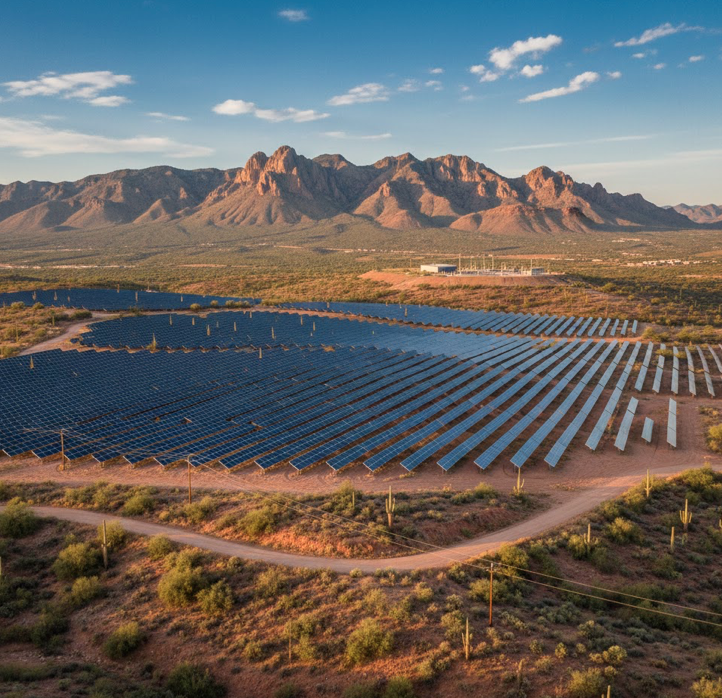
Utility Standards: Power generation equipment requires ASME certification and proven reliability through extensive testing surviving decades of continuous high-temperature operation cycles.
Certifications
Power generation suppliers need ISO 9001 quality management plus utility-specific approvals. ASME certification validates turbine coating capabilities. IEEE membership demonstrates electrical engineering expertise. Nuclear facilities require additional NRC approvals. Major utilities maintain approved vendor lists updated through performance tracking. Experimental coating approaches risk grid stability making proven suppliers preferred despite higher costs.
- ISO 9001 - Quality management foundation
- ASME Certification - Turbine coating qualification
- ISO 14001 - Environmental management
Frequently Asked Questions
Why does silver plating prevent electrical fires in switchgear?
Silver provides lowest contact resistance preventing heat generation from high current flow. Copper oxidizes creating resistance that causes arcing and fires. Silver doesn\'t form insulating oxide layers maintaining reliable contact. Switchgear carrying thousands of amperes generates tremendous heat if contact resistance increases. Failed connections cause cascading failures blacking out regions. Silver plating costs more initially but prevents catastrophic outages costing utilities millions in damages and lost revenue.
How do turbine coatings survive combustion temperatures?
Thermal barrier ceramics insulate blade metal from 2400°F gas stream. Bond coats prevent oxidation and provide adhesion. Turbine blades also use internal cooling channels. Coatings extend blade life from 10,000 to 30,000+ operating hours. Hot section inspections during annual outages assess coating condition. Recoating during scheduled maintenance costs less than premature blade replacement. Modern combined cycle plants run continuously making coating reliability critical for grid stability.
What causes coating failure on steam turbine components?
Thermal cycling during startup and shutdown stresses coatings through expansion mismatch. Water droplet erosion in low pressure sections removes protective films. Stress corrosion cracking from contaminants in steam attacks base metal. Coatings must flex with thermal movement without cracking or spalling. Annual inspections catch degradation before catastrophic failures. Utilities schedule coating repairs during planned outages because unscheduled turbine failures black out entire regions.
Can power plant equipment be coated during short maintenance windows?
Most coating requires days for preparation, application, and curing. Quick turnaround coating shops keep utilities running but quality may suffer versus proper procedures. Critical path items get priority coating attention. Non-critical components wait for major overhauls. Utilities balance coating quality against outage duration because every day down costs millions in replacement power purchases. Pre-planning coating work during design phase prevents surprises during short maintenance windows.
How do nuclear facilities handle coating requirements differently?
NRC regulations control every material entering containment including coatings. Radiation resistance testing required for coatings in radiation zones. Documentation requirements exceed commercial power plants exponentially. Coating shops need security clearances and special training. Failed inspections shut down reactors costing hundreds of millions. Nuclear utilities pay premium prices for proven coating suppliers with decades of nuclear experience. Experimental approaches unacceptable when public safety depends on equipment reliability.
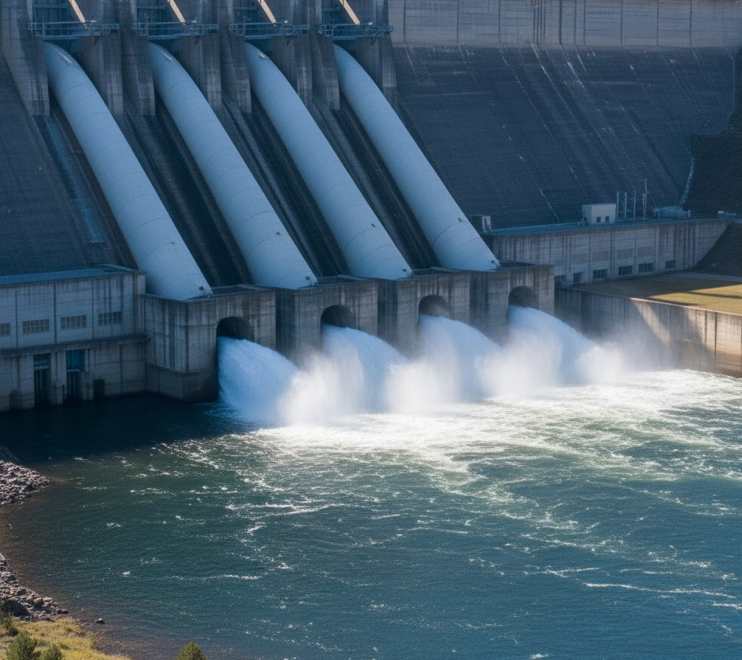
Always On: Unscheduled power plant outages cost millions daily making coating reliability and scheduled maintenance cycles critical for maintaining grid stability and revenue.
Conclusion
Power generation demands maximum coating reliability because grid stability depends on continuous operation. Silver plating ensures electrical connections carry megawatts without overheating. Thermal barriers protect turbine blades from combustion temperatures. Hard chrome survives hydraulic systems controlling steam flow. ASME and IEEE standards validate performance for utility applications. ISO certifications demonstrate quality management. Power coating failures cascade into regional blackouts affecting millions making proven suppliers essential despite premium pricing.
Next Steps
Document exact operating conditions including temperature cycling, electrical loads, and maintenance windows. Test coatings under actual service conditions not laboratory simulations. Find suppliers with power generation experience and ASME certifications. Review utility-specific approval requirements before specifying coatings. Budget for annual inspections and scheduled maintenance coating during planned outages. Power generation tolerates zero unproven coatings where failures black out cities costing millions per hour.
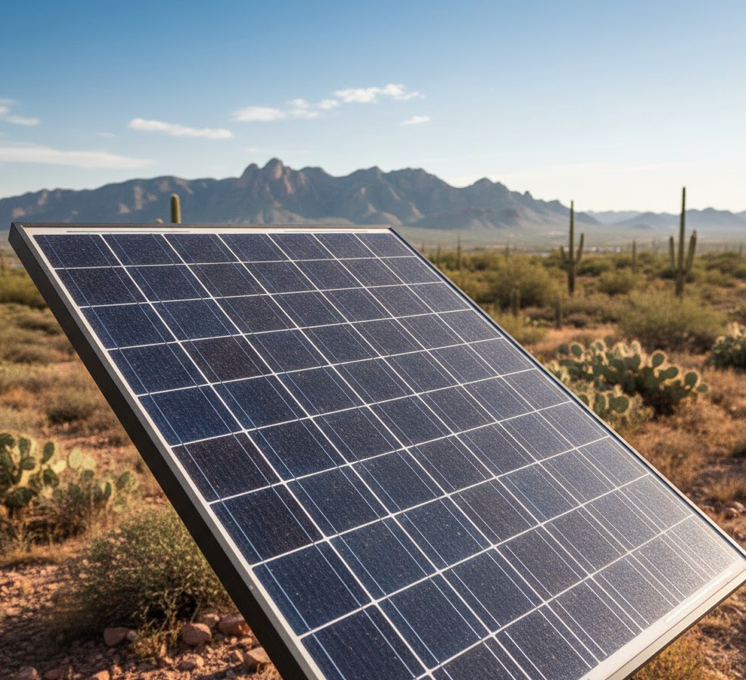
Generation Equipment: Turbine blades, bus bars, and hydraulic systems require coatings surviving extreme temperatures, electrical loads, and thermal cycling for decades of operation.
Specific Parts
Power generation equipment operates continuously where coating failures cause regional blackouts. Each component requires proven reliability through years of testing. Below are power-specific parts with coating recommendations based on utility industry standards.
Silver plating on bus bars conducts 5000+ amperes without overheating maintaining low contact resistance critical for grid stability.
Thermal barrier coating on turbine blades insulates metal from 2400°F combustion gases extending blade life to 30,000+ operating hours.
Hard chrome on steam valve stems survives millions of actuation cycles plus high temperature steam erosion in power plants.
Nickel-chrome on boiler tubes resists high temperature oxidation and corrosion from combustion products at 1200°F.
Silver plating on switchgear contacts prevents arcing and overheating carrying thousands of amperes during load switching.
Electroless nickel on cooling water pump impellers resists erosion-corrosion from high-velocity water flow in condenser systems.
Tungsten carbide coating on coal pulverizer components extends wear life 5x grinding abrasive coal into fine powder.
Gold plating on generator slip rings maintains reliable electrical contact despite continuous high-speed rotation.
Hard anodize on aluminum bus work provides electrical insulation and corrosion protection in outdoor switchyards.
Thermal spray ceramic on combustor liners protects from extreme heat and combustion byproducts in gas turbines.
Silver plating on bus bars conducts 5000+ amperes without overheating maintaining low contact resistance critical for grid stability.
Thermal barrier coating on turbine blades insulates metal from 2400°F combustion gases extending blade life to 30,000+ operating hours.
Hard chrome on steam valve stems survives millions of actuation cycles plus high temperature steam erosion in power plants.