
Electroplating Specifications.
Electroplating specifications define the technical requirements, quality standards, thickness ranges, and performance criteria for plated coatings across industries. These specs guide manufacturers and electroplating suppliers in delivering consistent, reliable metal finishes that meet engineering, durability, and compliance needs.
- SAE AMS 2404
- SAE AMS 2413
- SAE AMS 2422
- SAE AMS 2425
- SAE AMS 2460
- SAE AMS 2465
- SAE AMS 2470
- SAE AMS 2481
- SAE AMS 2485
- SAE AMS 2490
- SAE AMS 2495
- SAE AMS 2500
- SAE AMS 2510
- SAE AMS 2520
- SAE AMS 2530
- SAE AMS 2540
- SAE AMS 2550
- SAE AMS 2560
- SAE AMS 2570
- SAE AMS 2580
- SAE AMS 2590
- SAE AMS 2600
- SAE AMS G 2418
- SAE AMS P 81728
- SAE AMS QQ N 290
- BMW GS90010
- Columbia Chemical GMW 4700 ZNNI Type B
- Cummins 74052
- Ford WSS M1P87 B5
- GM GMW4700
- Honda HES D2003 MFZN NI1 K
- Hyundai Kia MS611 15
- Jaguar Land Rover STJLR 50 5058
- Mazda MES CG310
- Mercedes DBL 8451
- Stellantis PS 50045
- Stellantis PS 50065
- Tesla TM 0009F M 10
- Toyota TSH6530G
- Toyota TSH6532G
- Volkswagen TL 244
- Volkswagen VW 4301
- Volkswagen VW 4320
- Volvo STD 121 0003
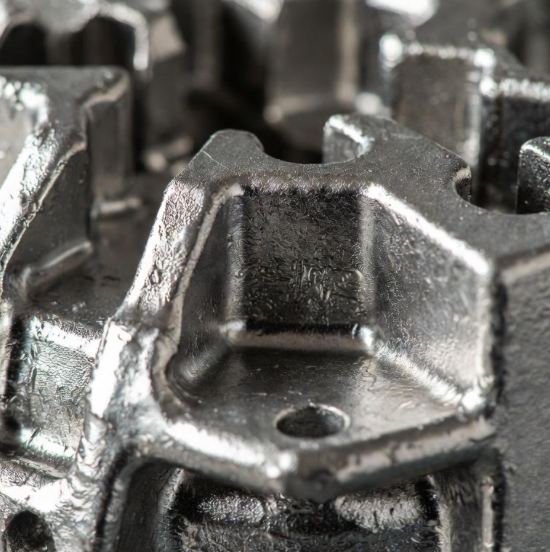
Obsolete Chromate Spec: Canceled military standard for chromate conversion coatings replaced by MIL-DTL-5541 with improved environmental controls.
Summary
MIL-C-14550 was the old military spec for chromate conversion coatings (chemical films) on aluminum and aluminum alloys before getting canceled and replaced by MIL-DTL-5541. It covered yellow chromate (Alodine) and clear chromate treatments providing corrosion protection and paint adhesion base for aircraft and military hardware. The spec defined coating classes and chromium content requirements. Obsolete for years but you still see ancient drawings referencing it. Modern designs should specify MIL-DTL-5541 instead since nobody maintains MIL-C-14550 qualification anymore.
Coatings
MIL-C-14550 covered chromate conversion coatings on aluminum providing corrosion resistance and paint base. Chemical treatment, not electroplating, but critical surface finish nonetheless.
Requirements Overview
MIL-C-14550 organized chromate coatings by class defining coating weight and chromium content per square foot. Class 1A was yellow chromate (golden Alodine look everyone recognizes), Class 3 was clear chromate for paint base applications. Type I specified hexavalent chromium chemistry providing maximum corrosion protection but environmental nightmare. The classification system simpler than modern MIL-DTL-5541 but less precise about chemical composition and process controls.
Class 1A
Yellow chromate conversion coating (Alodine type). Golden iridescent appearance providing excellent corrosion protection. Standard for unpainted aluminum aircraft structures and military hardware requiring maximum protection with signature appearance.
Class 2
Light chromate coating. Thinner deposit than Class 1A with reduced corrosion resistance. Used when coating weight must be minimized for dimensional tolerance or when moderate protection adequate. Less common specification class.
Class 3
Clear chromate conversion coating. Colorless to slight iridescent appearance. Primary purpose is paint adhesion base rather than standalone corrosion protection. Standard under primers and topcoats on aluminum aircraft structures preventing paint adhesion failure.
Type I
Hexavalent chromium chemistry. Traditional formulation providing maximum corrosion protection but containing Cr(VI) now regulated as carcinogen. Environmental and worker safety concerns led to specification obsolescence. Superior technical performance but unacceptable health risks.
Coating Weight
Specified minimum chromium content per square foot. Class 1A required 10 mg/ft² minimum chromium, Class 3 around 1-3 mg/ft². Coating weight directly correlates with corrosion resistance. Measured by chemical analysis or weight gain measurements.
Salt Spray
Class 1A required 168 hours minimum ASTM B117 salt spray without corrosion. Class 3 had reduced requirements since paint provides primary protection. Salt spray duration defining specification compliance demonstrating adequate chromate deposition and conversion coating integrity.
Alloy Compatibility
Works on all aluminum alloys including 2024, 6061, 7075. Some alloys (especially high copper content like 2024) require longer processing times achieving adequate coating. Magnesium alloys need separate specifications since chromate chemistry differs.
Paint Adhesion
Critical supplementary requirement for Class 3 coatings. Paint must pass cross-hatch adhesion testing after environmental exposure. Chromate provides chemical bonding sites for primers and paints preventing delamination from thermal cycling and moisture.
Supplementary
Additional electrical resistivity limits for Class 3 under conductive primers, specific alloy processing procedures, or enhanced salt spray requirements for severe marine environments. Paint system compatibility testing often added for critical aircraft applications.
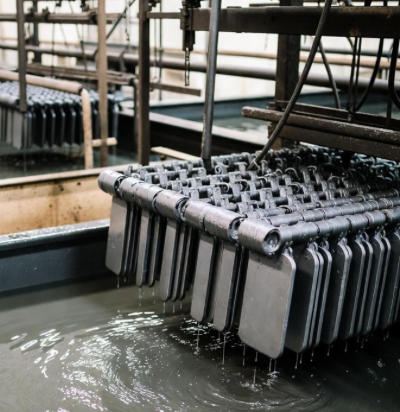
Obsolete Selection Guide: Historical chromate coating selection before modern trivalent chromium replacements and environmental regulations.
Requirements Selection
Don't specify MIL-C-14550 on new designs since spec's canceled and replaced by MIL-DTL-5541 addressing hexavalent chromium environmental issues. Class 1A was golden Alodine for unpainted aluminum structures. Class 3 was clear chromate under paint systems. Modern equivalent is MIL-DTL-5541 Class 1A (trivalent chromium) or Class 3 with similar performance but safer chemistry. Update legacy drawings to current spec during revisions preventing procurement complications from obsolete standard nobody qualifies to anymore.
Underplate Layer Stacks
Chromate conversion coating is chemical treatment applied directly to clean aluminum surface, not electroplated deposit requiring underplate. The process converts aluminum surface to chromate-aluminum oxide complex through chemical reaction. Prior surface preparation critical including cleaning, deoxidizing, and oxide removal. Anodizing sometimes specified before chromate when maximum corrosion protection needed but adds complexity and cost. Chromate then topcoated with primer and paint for complete protection system on aircraft structures.
Direct Application: Chemical surface conversion
Chromate applied directly onto cleaned aluminum converting surface oxide to chromate compound. No electroplating or undercoat needed since chemical reaction creates conversion coating. Surface preparation (cleaning, deoxidizing) essential for uniform chromate formation. Inadequate cleaning causes spotty chromate and corrosion failure.
Paint Topcoat: Complete protection system
Class 3 clear chromate designed as primer base for paint systems. Primer applied over chromate then topcoat finish. Chromate provides chemical bonding for paint preventing delamination while offering supplementary corrosion barrier. Standard aircraft finishing sequence: clean, chromate, prime, paint.
Anodize Alternative: Heavy-duty protection
Sulfuric acid anodizing provides thicker, harder coating than chromate for severe environments. Sometimes anodize applied then sealed with chromate for maximum protection. More expensive and dimensionally significant than chromate alone. Reserved for critical structural components requiring ultimate corrosion resistance beyond standard chromate capability.
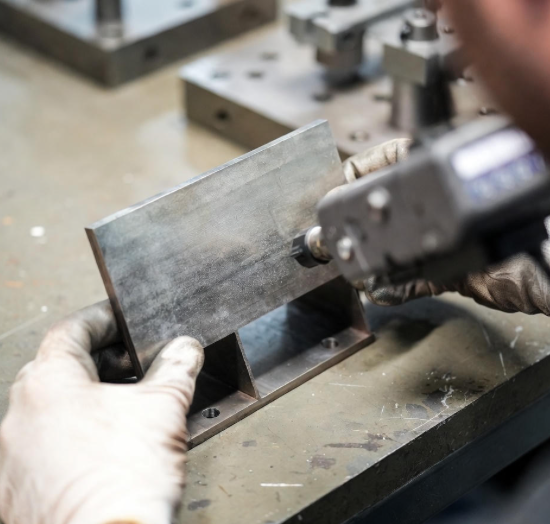
Chromate Coating Errors: Common mistakes using obsolete hexavalent chromium spec and not updating to safer modern alternatives.
Common Mistakes
Biggest mistake is specifying MIL-C-14550 on new drawings when spec's been canceled for environmental reasons. Hexavalent chromium chemistry is carcinogen requiring special handling and disposal nobody wants dealing with. Using Class 1A yellow chromate under paint is waste since Class 3 clear adequate for paint adhesion. Missing that surface preparation is 80% of chromate success and inadequate cleaning causes spotty coating. Not updating legacy drawings to MIL-DTL-5541 perpetuates obsolete specification creating procurement and environmental compliance nightmares.
Specifying Canceled Environmental Hazard
MIL-C-14550 canceled due to hexavalent chromium carcinogen content. OSHA regulations, EPA restrictions, and worker safety concerns make old spec environmentally unacceptable. Modern MIL-DTL-5541 uses trivalent chromium chemistry providing similar protection without cancer risk. Specifying obsolete hexavalent spec creates procurement impossibility and liability exposure.
Yellow Chromate Under Paint Waste
Class 1A yellow chromate provides corrosion protection for bare aluminum. Applying yellow chromate then painting over it wastes money since Class 3 clear chromate adequate for paint adhesion. Paint hides yellow appearance making premium Class 1A pointless. Use Class 1A for unpainted structures, Class 3 under primers.
Inadequate Surface Preparation
Chromate coating only good as surface preparation underneath. Oil, grease, or oxide contamination prevents uniform chromate formation causing spotty appearance and corrosion failure. Alkaline cleaning, deoxidizing, and rinsing absolutely critical before chromate immersion. Surface prep determines chromate quality more than chemistry or immersion time.
Not Updating Legacy Drawings
Ancient drawings referencing MIL-C-14550 should be revised to MIL-DTL-5541 during engineering changes. Perpetuating obsolete hexavalent chromium spec complicates procurement and creates environmental compliance issues. Simple drawing note change substituting modern equivalent eliminates obsolete specification problems while maintaining technical performance requirements.
Confusing Chromate with Anodizing
Chromate conversion coating is thin chemical treatment (few microns). Anodizing is thicker electrochemical oxide (10 to 25+ microns). Different processes, different properties, different applications. Chromate for paint base and light protection. Anodize for severe environments and dimensional buildup acceptable. Don't interchange specifications expecting equivalent results.
Conclusion
MIL-C-14550 is obsolete military spec for chromate conversion coatings canceled due to hexavalent chromium health concerns. Modern MIL-DTL-5541 replaces it with trivalent chromium formulations providing similar performance without cancer risk. Don't specify MIL-C-14550 on new designs. Update legacy drawings to MIL-DTL-5541.
Next Steps
Replace MIL-C-14550 with MIL-DTL-5541 on new designs. Update legacy drawings during engineering changes. Specify Class 1A for unpainted aluminum structures, Class 3 as paint base. Work with finishers qualified to current environmental regulations avoiding obsolete hexavalent chromium approvals.