
Electroplating Specifications.
Electroplating specifications define the technical requirements, quality standards, thickness ranges, and performance criteria for plated coatings across industries. These specs guide manufacturers and electroplating suppliers in delivering consistent, reliable metal finishes that meet engineering, durability, and compliance needs.
- SAE AMS 2404
- SAE AMS 2413
- SAE AMS 2422
- SAE AMS 2425
- SAE AMS 2460
- SAE AMS 2465
- SAE AMS 2470
- SAE AMS 2481
- SAE AMS 2485
- SAE AMS 2490
- SAE AMS 2495
- SAE AMS 2500
- SAE AMS 2510
- SAE AMS 2520
- SAE AMS 2530
- SAE AMS 2540
- SAE AMS 2550
- SAE AMS 2560
- SAE AMS 2570
- SAE AMS 2580
- SAE AMS 2590
- SAE AMS 2600
- SAE AMS G 2418
- SAE AMS P 81728
- SAE AMS QQ N 290
- BMW GS90010
- Columbia Chemical GMW 4700 ZNNI Type B
- Cummins 74052
- Ford WSS M1P87 B5
- GM GMW4700
- Honda HES D2003 MFZN NI1 K
- Hyundai Kia MS611 15
- Jaguar Land Rover STJLR 50 5058
- Mazda MES CG310
- Mercedes DBL 8451
- Stellantis PS 50045
- Stellantis PS 50065
- Tesla TM 0009F M 10
- Toyota TSH6530G
- Toyota TSH6532G
- Volkswagen TL 244
- Volkswagen VW 4301
- Volkswagen VW 4320
- Volvo STD 121 0003
Summary
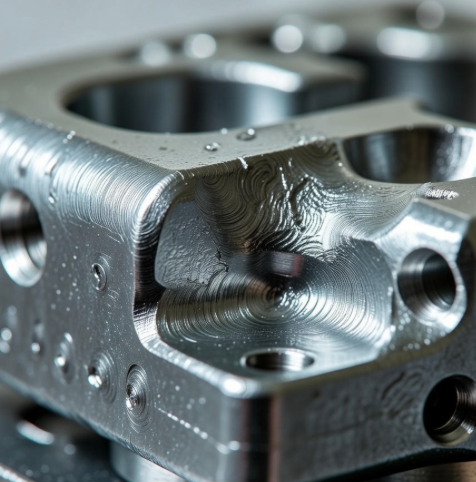
Electroless Nickel Standard: ASTM B733 autocatalytic nickel-phosphorus deposits providing uniform thickness, excellent corrosion resistance, and moderate hardness without electrical current requirements.
ASTM B733 is the standard specification for autocatalytic (electroless) nickel-phosphorus coatings on metal. This is where you get uniform coating thickness on complex geometries without electricity. Chemical reduction deposits nickel-phosphorus alloy conformally coating internal passages, blind holes, and recesses that electroplating can't reach uniformly. Phosphorus content ranges from 2% to 13% controlling hardness, corrosion resistance, and magnetic properties. Low phosphorus (2-5%) provides moderate hardness and is magnetic. Medium phosphorus (6-9%) balances properties for general applications. High phosphorus (10-13%) delivers maximum corrosion resistance and is non-magnetic. Post-plate heat treatment dramatically increases hardness (from 500 HV as-deposited to 1000+ HV after baking). Aerospace, automotive, oil and gas industries specify electroless nickel for wear resistance, corrosion protection, and precise dimensional restoration. It's more expensive than electroplating but invaluable when coating must penetrate complex internal geometries or when substrate geometry makes electrical contact impractical.
Coatings
B733 covers autocatalytic nickel-phosphorus deposits applied without external electrical current, providing uniform thickness on complex shapes with excellent corrosion and wear resistance.
Requirements Overview
B733 categorizes electroless nickel by phosphorus content defining properties. Type I (low phosphorus, 2-5%) magnetic and moderately hard. Type II (medium phosphorus, 6-9%) general purpose balanced properties. Type III (high phosphorus, 10-13%) maximum corrosion resistance non-magnetic. Type IV (mid-range 7-9%) optimized for post-heat treatment hardening. Class 1 through 5 defines thickness (12.5, 25, 37.5, 50, 75 microns respectively). Grade A is standard without heat treatment. Grade B requires post-plate heat treatment for hardness enhancement. Service Condition (SC) codes specify environmental severity guiding thickness and phosphorus selection.
Type I (Low P)
2-5% phosphorus. Moderate hardness 450-600 HV. Magnetic properties retained. Good wear resistance. Lower corrosion resistance than high-P types. Suitable for mild environments where hardness matters more than extreme corrosion protection.
Type II (Medium P)
6-9% phosphorus. Balanced hardness 500-700 HV. Slightly magnetic. Good all-around properties. Most common specification. Chemical processing and general industrial applications workhorse.
Type III (High P)
10-13% phosphorus. Maximum corrosion resistance. Non-magnetic. Lower as-deposited hardness 450-550 HV but excellent after heat treatment. Chemical processing, marine, and food industry standard.
Type IV (Mid P)
7-9% phosphorus. Optimized for post-heat treatment hardening. Reaches 1000+ HV after baking. Aerospace hydraulic components and wear-critical applications standard specification.
Grade A
As-deposited without heat treatment. Standard hardness 450-700 HV depending on phosphorus content. Corrosion resistance excellent immediately. Most applications use Grade A unless extreme wear resistance required.
Grade B
Mandatory post-plate heat treatment. Bake at 375-400°F for 1-4 hours. Hardness increases to 900-1100 HV. Wear resistance dramatically improved. Hydraulic cylinders, pump shafts, mold tooling specify Grade B.
Classes 1-2
12.5 to 25 microns. Light-duty corrosion protection or dimensional restoration. Electronics and decorative applications. Cost-effective for mild service conditions.
Classes 3-4
37.5 to 50 microns. Standard industrial applications. Balanced corrosion and wear protection. Automotive, aerospace, industrial equipment typical specification. Class 4 most common for general use.
Class 5
75 microns. Heavy-duty salvage, severe wear, or extreme corrosion environments. Hydraulic cylinder rod repair. Offshore equipment. Extended service life applications justifying premium thickness cost.
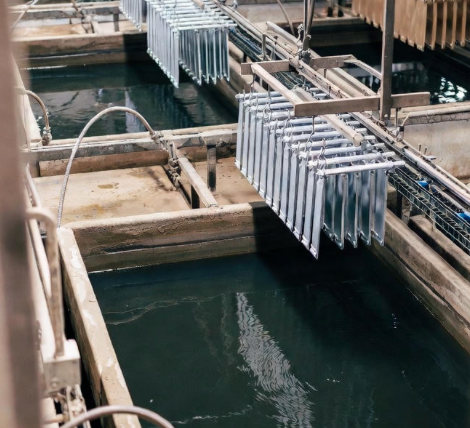
Selection Strategy: Matching electroless nickel type, class, and grade to application requirements balancing corrosion resistance, wear performance, and magnetic property needs.
Requirements Selection
Select phosphorus content first based on primary requirement. Maximum corrosion resistance? Specify Type III (high P 10-13%). Need magnetic properties or moderate hardness? Type I (low P 2-5%). Balanced general-purpose application? Type II (medium P 6-9%). Heat-treatable for extreme wear? Type IV (7-9% P with Grade B heat treatment). Thickness selection balances protection with cost: Class 1-2 for electronics or light duty, Class 3-4 for standard industrial (Class 4 most common at 50 microns), Class 5 for heavy salvage or severe service. Grade A (as-deposited) covers 90% of applications. Grade B (heat-treated) for wear-critical components like hydraulic cylinders, bearing surfaces, or mold tooling requiring 1000+ HV hardness. Chemical processing typically specifies Type III Class 4 Grade A for maximum corrosion with reasonable thickness. Aerospace hydraulics uses Type IV Class 4 Grade B for wear resistance after heat treatment.
Underplate Layer Stacks
Electroless nickel typically applies directly to substrate without underplate. Ferrous metals (steel, cast iron) accept electroless nickel excellently after proper activation. Aluminum requires zincate pre-treatment ensuring adhesion. Copper and copper alloys need acid strike activation. Stainless steel sometimes uses electroless nickel strike (thin flash coating) before main deposit on highly passive surfaces. Tungsten carbide and ceramics can be plated after specialized activation procedures. The beauty is no electrical contact needed so internal passages, complex shapes, and non-conductive materials can be uniformly coated. Simple layer stack (activate, plate, rinse, dry, optional heat treatment) compared to electroplating's complexity. When salvage or dimensional restoration requires heavy build-up (over 125 microns), sometimes done in multiple applications preventing stress accumulation causing coating spalling.
Direct Application: Standard steel substrates
Carbon steel, alloy steel, cast iron. Clean, activate in acidic solution, immerse in electroless nickel bath. No underplate needed. Excellent adhesion directly to ferrous metals. Most common configuration for industrial applications.
Zincate Pre-Treatment: Aluminum substrates
Aluminum requires zincate immersion depositing thin zinc layer ensuring electroless nickel adhesion. Double zincate process (strip first zincate, reapply) improves adhesion on high-silicon aluminum alloys. Critical for aerospace aluminum components requiring electroless nickel coating.
Strike Layer: Passive metals
Stainless steel, titanium, or highly passive surfaces benefit from electroless nickel strike (thin flash coating 1-3 microns) before main deposit. Strike breaks through passive oxide film ensuring robust adhesion. Essential for 300-series stainless or titanium alloys receiving thick electroless nickel build-up.
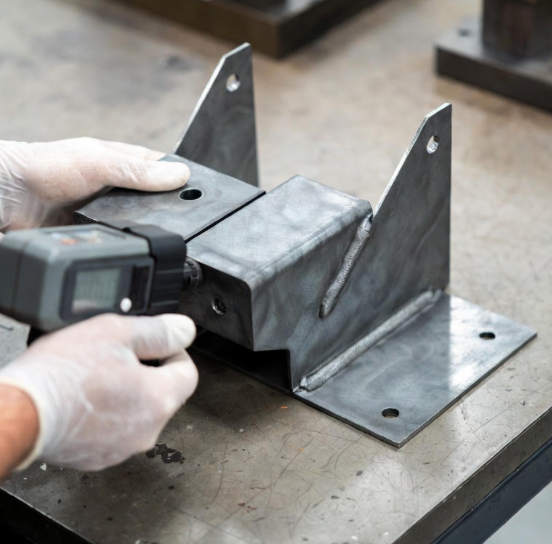
Processing Pitfalls: Typical electroless nickel specification and processing errors causing adhesion failures, improper hardness, or insufficient corrosion protection despite correct Type and Class callout.
Common Mistakes
Most frequent error is inadequate surface preparation before plating. Electroless nickel won't bond to contaminated or heavily oxidized surfaces regardless of activation chemistry. Specifying wrong phosphorus type for application (low-P for maximum corrosion resistance fails, high-P for magnetic requirements fails). Excessive thickness in single application causes internal stress and coating spalling (deposits over 125 microns should be applied in stages with intermediate heat treatments). Omitting heat treatment when wear resistance is critical (as-deposited coating won't survive high-contact-stress applications requiring Grade B hardness). Confusing electroless nickel (ASTM B733) with electroplated nickel (ASTM B689) specifications leads to wrong process selection. Expecting uniform electroplating performance on complex geometries instead of specifying electroless nickel. Poor masking causes plating in threaded holes or bearing fits requiring expensive rework.
Inadequate Surface Preparation
Electroless nickel demands exceptionally clean surface. Oil, oxide, scale, or contamination prevents adhesion causing coating flaking off in service. Alkaline cleaning followed by acid activation mandatory. Ultrasonic cleaning beneficial for complex geometries. Surface preparation more critical than electroplating because chemical deposition is less forgiving of contamination.
Wrong Phosphorus Content Selection
Specifying low-phosphorus (Type I) for severe corrosive environment provides inadequate protection. Using high-phosphorus (Type III) when magnetic properties required eliminates magnetism. Match phosphorus content to primary application driver: corrosion resistance needs high-P, magnetic components need low-P, general use takes medium-P.
Excessive Single-Application Thickness
Applying over 125 microns (5 mils) in single deposition creates internal stress causing spalling. Heavy deposits require multiple applications with intermediate stress-relief heat treatments between layers. Salvage work rebuilding worn shafts needs staged build-up preventing catastrophic coating failure under service loads.
Omitting Required Heat Treatment
Wear-critical applications need Grade B (heat-treated) specification. As-deposited Grade A coating (500-700 HV) inadequate for high-contact-stress service. Heat treatment at 375-400°F increases hardness to 1000+ HV. Hydraulic cylinder rods, bearing surfaces, mold tooling absolutely require Grade B avoiding premature wear failures.
Confusing Electroless with Electroplated Nickel
ASTM B733 (electroless) provides uniform thickness on complex geometries. ASTM B689 (electroplated) requires electrical contact and builds preferentially on edges. Specifying wrong standard causes processing failures. Complex internal passages require B733. Simple external surfaces work with B689 at lower cost. Understand the difference specifying correctly.
Conclusion
ASTM B733 defines autocatalytic nickel-phosphorus providing uniform thickness on complex geometries. Phosphorus content (2-13%) controls corrosion, hardness, and magnetic properties. Classes 1-5 specify thickness (12.5-75 microns). Grade B heat treatment increases hardness to 1000+ HV for wear applications. Success requires proper surface prep and correct phosphorus type.
Next Steps
Define primary requirement (corrosion, wear, magnetic) determining phosphorus type. Select thickness class based on severity. Add Grade B heat treatment for wear-critical applications. Work with electroless nickel specialists having bath composition control and activation expertise. Verify masking requirements for specific geometry.