
Electroplating Specifications.
Electroplating specifications define the technical requirements, quality standards, thickness ranges, and performance criteria for plated coatings across industries. These specs guide manufacturers and electroplating suppliers in delivering consistent, reliable metal finishes that meet engineering, durability, and compliance needs.
- SAE AMS 2404
- SAE AMS 2413
- SAE AMS 2422
- SAE AMS 2425
- SAE AMS 2460
- SAE AMS 2465
- SAE AMS 2470
- SAE AMS 2481
- SAE AMS 2485
- SAE AMS 2490
- SAE AMS 2495
- SAE AMS 2500
- SAE AMS 2510
- SAE AMS 2520
- SAE AMS 2530
- SAE AMS 2540
- SAE AMS 2550
- SAE AMS 2560
- SAE AMS 2570
- SAE AMS 2580
- SAE AMS 2590
- SAE AMS 2600
- SAE AMS G 2418
- SAE AMS P 81728
- SAE AMS QQ N 290
- BMW GS90010
- Columbia Chemical GMW 4700 ZNNI Type B
- Cummins 74052
- Ford WSS M1P87 B5
- GM GMW4700
- Honda HES D2003 MFZN NI1 K
- Hyundai Kia MS611 15
- Jaguar Land Rover STJLR 50 5058
- Mazda MES CG310
- Mercedes DBL 8451
- Stellantis PS 50045
- Stellantis PS 50065
- Tesla TM 0009F M 10
- Toyota TSH6530G
- Toyota TSH6532G
- Volkswagen TL 244
- Volkswagen VW 4301
- Volkswagen VW 4320
- Volvo STD 121 0003

Electroless Nickel Standard: ASTM B689 covering autocatalytic nickel-phosphorus coatings that plate themselves without electricity. Magic chemistry at work.
Summary
ASTM B689 covers electroless nickel-phosphorus plating, the coating that deposits itself chemically without external electricity. Think of it as nickel that grows by itself when parts sit in solution. The magic lies in phosphorus content controlling deposit properties from ductile to super hard after heat treatment. Used everywhere from hydraulic cylinders to surgical instruments because thickness uniformity beats electroplating on complex shapes. Slower than electroplating and costs more but when you need perfectly even coating inside holes and around corners, electroless nickel is your answer.
Coatings
B689 covers electroless nickel-phosphorus coatings for superior corrosion resistance, wear resistance, and perfect thickness uniformity on complex geometries where electricity can't reach evenly.
Requirements Overview
B689 classifies electroless nickel by phosphorus content determining deposit characteristics. Low phosphorus is magnetic and hard. Medium phosphorus balances corrosion and wear. High phosphorus gives maximum corrosion resistance in acidic environments. Service conditions SC1 through SC4 specify thickness matching expected wear and corrosion severity. Most applications use medium phosphorus at 1 to 1.5 mils thickness. Heat treatment option hardens low and medium phosphorus deposits dramatically for extreme wear applications like hydraulic rams.
Class 1 (Low P)
2 to 5% phosphorus. Magnetic, hardens to 1000+ HV with heat treatment. Extreme wear resistance after baking. Hydraulic cylinders, molds, shafts requiring maximum hardness and abrasion resistance.
Class 2 (Medium P)
5 to 9% phosphorus. Industry workhorse balancing wear, corrosion, and cost. Moderate hardness as-deposited, hardens significantly with heat treatment. General engineering applications, aerospace components, valve parts.
Class 3 (High P)
10 to 13% phosphorus. Maximum corrosion resistance especially in acidic environments. Amorphous structure, lowest porosity. Oil field equipment, chemical processing, surgical instruments requiring non-magnetic properties and acid resistance.
Grade A (Excellent)
Tightest deposit quality controls. Uniform thickness, minimal nodules, excellent appearance. Critical aerospace, defense, and medical applications where coating perfection non-negotiable despite premium cost.
Grade B (Standard)
Commercial quality electroless nickel acceptable for most applications. Good uniformity and properties at reasonable cost. Hydraulics, automotive components, industrial equipment representing bulk electroless nickel usage.
SC1 to SC4
Service condition thickness classes from 0.3 mils (SC1 mild) to 2+ mils (SC4 very severe). Thicker coating provides longer service life but costs proportionally more. Match thickness to wear and corrosion severity.
Type 1 (As-Deposited)
No heat treatment after plating. Lower hardness but ductile, excellent corrosion resistance. Applications not requiring maximum wear resistance benefit from skipping heat treatment cost and avoiding brittleness risk.
Type 2 (Heat Treated)
Baked at 750 to 850F for 1 hour minimum after plating. Precipitates nickel phosphides hardening coating to 1000+ HV. Hydraulic rods, molds, gears, shafts needing extreme wear resistance justifying heat treatment expense.
Supplementary
Adhesion testing, hardness verification, porosity testing, salt spray hours, phosphorus content analysis, or specific heat treatment cycles added when application demands validation beyond basic specification requirements.
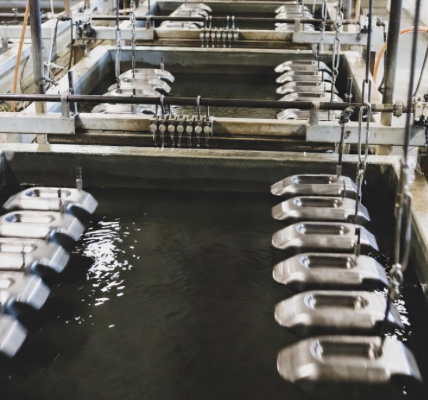
Electroless Selection: Picking phosphorus content and heat treatment based on whether you need corrosion resistance or hardness more.
Requirements Selection
Class 2 medium phosphorus is Swiss Army knife handling 80% of applications adequately. Class 1 low phosphorus for maximum hardness after heat treatment on wear-critical hydraulics and tooling. Class 3 high phosphorus when acidic corrosion is enemy number one like oil field or chemical processing. Grade B sufficient unless aerospace or medical applications demand Grade A perfection. Type 2 heat treatment transforms medium and low phosphorus into wear monsters at cost of ductility. SC2 or SC3 thickness covers most real-world service. Thicker isn't always better since excessive electroless nickel cracks from internal stress.
Underplate Layer Stacks
Electroless nickel beauty is direct plating on most metals without underplates. It deposits on steel, aluminum, copper, stainless, titanium, and everything else autocatalytically once surface activated. Occasionally nickel strike or zincate activation used on aluminum for adhesion insurance. High-carbon steel sometimes needs stress relief before plating preventing base metal cracking from internal hydrogen. Substrates with surface hardening like carburizing or nitriding coat perfectly without removing hardened layer unlike electroplating requiring aggressive etching.
Direct Plating: Electroless nickel on bare substrate
Standard approach for steel, stainless, copper alloys, and most substrates. Surface cleaned, activated, then electroless nickel deposits uniformly. No underplate needed since autocatalytic chemistry works on any catalytic metal surface. Simplicity is advantage over electroplated nickel requiring conductive underplate path.
Zincate Activation: Aluminum substrate treatment
Aluminum requires zincate immersion depositing thin zinc layer providing catalytic surface for electroless nickel initiation. Double zincate process prevents zinc-aluminum intermetallic formation causing adhesion failures. Critical step for aerospace aluminum components, engine parts, and electronic housings needing electroless nickel protection.
Nickel Strike: Adhesion insurance layer
Thin electroplated nickel flash before electroless nickel occasionally used on difficult substrates like heavily cold-worked steel or alloys with adhesion concerns. Provides reliable catalytic surface ensuring electroless nickel initiation. Not common on regular steel but helpful insurance on sketchy substrates.
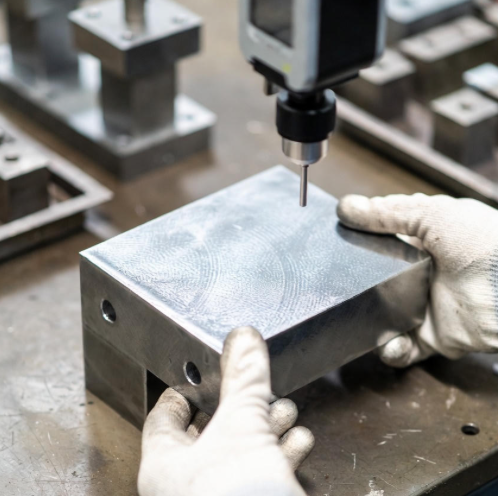
Electroless Errors: Common specification mistakes causing coating failures, cracking catastrophes, and expensive replating jobs ruining profit margins.
Common Mistakes
Specifying excessive thickness causes cracking from internal tensile stress. Electroless nickel over 2 to 3 mils risks spontaneous fracture especially after heat treatment. Wrong phosphorus class for application kills performance. Low phosphorus in acidic service corrodes rapidly. High phosphorus in wear applications is too soft. Heat treating high phosphorus deposit does nothing since amorphous structure won't crystallize. Forgetting substrate stress relief before plating causes hydrogen embrittlement in high-strength steel. Assuming electroless nickel is drop-in replacement for hard chrome without understanding property differences leads to wear or corrosion failures.
Excessive Thickness Causing Cracking
Electroless nickel has internal tensile stress from co-deposited phosphorus. Deposits over 2 to 3 mils crack spontaneously or during heat treatment from stress accumulation. If application truly needs thicker coating, multiple thin layers with intermediate stress relief baking required. Usually redesign to reduce coating thickness or switch to thermal spray makes more sense economically.
Wrong Phosphorus Content for Service
Low phosphorus corrodes in acidic environments despite excellent wear resistance. High phosphorus too soft for heavy wear despite superior corrosion resistance. Medium phosphorus compromises both but handles general applications adequately. Match phosphorus class to dominant failure mechanism. Can't optimize for everything simultaneously, chemistry won't cooperate.
Heat Treating High Phosphorus Deposits
Heat treatment only hardens low and medium phosphorus electroless nickel. High phosphorus stays amorphous and soft regardless of baking temperature. Specifying Type 2 heat treatment with Class 3 high phosphorus wastes energy and oven time without hardness benefit. Heat treatment contraindicated for high phosphorus deposits serving corrosive environments.
Missing Substrate Stress Relief
High-strength steel or cold-worked substrates need stress relief before electroless nickel prevents hydrogen absorption causing embrittlement. Pre-bake at 350 to 400F for couple hours removes residual stresses and absorbed hydrogen. Skip this and substrate cracks underneath perfect electroless nickel coating. Base metal failure looks like coating problem until metallurgical analysis reveals truth.
Assuming Hard Chrome Equivalency
Electroless nickel isn't drop-in hard chrome replacement despite wear resistance after heat treatment. Chrome is harder, electroless nickel has better corrosion resistance and thickness uniformity. Chrome handles heavy sliding wear better. Electroless nickel excels at corrosion-wear combinations and complex geometries. Different tools for different jobs, understand property differences before substituting.
Conclusion
ASTM B689 covers electroless nickel-phosphorus providing perfect thickness uniformity through autocatalytic chemistry. Phosphorus content (2-13%) determines properties from wear-resistant low to corrosion-resistant high. Heat treatment hardens low/medium phosphorus to 1000+ HV. Success requires matching phosphorus class to service conditions and limiting thickness under 3 mils preventing stress cracking.
Next Steps
Define failure mechanism: wear needs Class 1-2 with heat treatment, acid corrosion requires Class 3 high phosphorus. Limit thickness to 2 mils maximum preventing stress cracking. Work with electroless nickel specialists understanding autocatalytic chemistry and bath maintenance for complex geometries requiring uniform coverage.