
Electroplating Learn.
Everything you need to know about electroplating but were afraid to ask. We break down complex coating processes into plain English so you can talk intelligently with suppliers, write better specifications, and avoid expensive mistakes. Think of this as electroplating school without the boring lectures or pop quizzes. Real knowledge from 30 years in the tanks.
Surface Defects
TroubleshootingCommon Defects
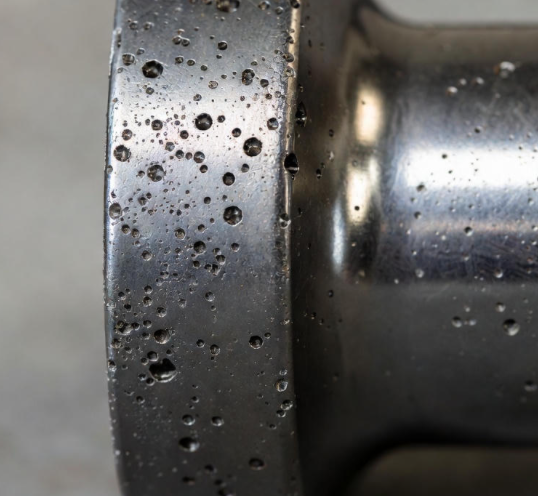
Visual Issues: Surface defects range from obvious to subtle problems.
Surface defects show up as pits, roughness, blisters, dullness, stains, or nodules ruining coating appearance and performance. Each defect type has specific causes requiring targeted fixes. Pitting indicates contamination or hydrogen evolution. Roughness traces to excessive current density or substrate condition. Blistering reveals trapped gases or poor adhesion. Dull finishes suggest depleted additives or low current. Stains come from rinsing problems or improper drying. Nodules form from particulate contamination or anode degradation. Experienced platers diagnose defects instantly recognizing patterns developed over years. Learning defect identification separates troubleshooting pros from beginners guessing randomly.
Pitting
Tiny holes or pits in coating surface originate from several sources. Hydrogen gas evolution during plating creates bubbles adhering to parts preventing metal deposition locally. Surfactants in plating bath reduce surface tension releasing hydrogen before pitting occurs. Organic contamination from oils or solvents causes localized non-plating creating pits. Particulate matter on part surface blocks plating. Air bubbles trapped in recesses prevent coating. Solution agitation helps releasing bubbles and delivering fresh chemistry. Wetting agents improve solution penetration into cavities. Pitting usually indicates either chemistry contamination requiring treatment or inadequate surface preparation leaving residues blocking deposition.
Prevention
Add wetting agents reducing surface tension. Improve agitation. Position parts allowing bubble escape. Increase cleaning effectiveness removing all contamination.
Chemistry
Carbon treat removing excess organics. Dummy plate removing metallic contamination. Filter continuously catching particulates before reaching parts.
Roughness
Rough, grainy, or powdery deposits indicate plating occurring too fast for smooth crystal growth. Excessive current density for the chemistry and temperature produces rough texture. Metallic contamination causes co-deposition creating rough surface. Depleted brighteners fail producing smooth grain structure. Substrate roughness transfers through coating. Temperature too cold slows ion mobility creating coarse deposits. Reduce current density first. Check bath temperature raising if needed. Test for metallic contamination treating via dummy plating. Replenish brightener additives. Remember electroplating replicates substrate condition so rough base metal plates rough regardless of perfect chemistry.
Current Density Sweet Spot
Every metal has optimal current density range producing smooth deposits. Operating below gives dull, porous coatings. Operating above creates roughness or burns. Find the middle ground through hull cell testing showing current density effects across range simultaneously.
Blistering
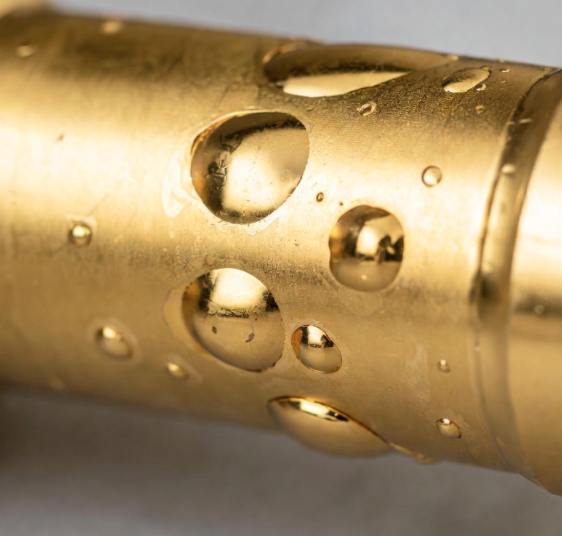
Trapped Gases: Blisters form from hydrogen or poor substrate adhesion.
Raised bumps or blisters result from trapped hydrogen gas or poor adhesion. Hydrogen generated during plating diffuses into substrate then tries escaping creating pressure lifting coating. High-strength steels particularly susceptible requiring post-plate baking driving hydrogen out before embrittlement causes delayed failures. Poor surface preparation leaves contamination preventing adhesion creating blisters at weak interface. Oxide films under coating act like release agents eventually separating. Substrate outgassing from porosity or contamination creates blisters weeks after plating. Fix through better cleaning, adequate baking cycles for susceptible materials, and improved surface preparation ensuring oxide-free metallic bonding.
Dull Finish
Matte, hazy, or semi-bright deposits instead of mirror finishes indicate brightener depletion, low current density, or chemistry imbalance. Organic brightener additives get consumed during plating requiring periodic replenishment based on amp-hours plated. Current density too low produces dull deposits regardless of additive levels. Cold bath temperatures reduce brightener effectiveness. Contamination interferes with brightener function. Excessive chlorides in acid copper cause dullness. Hull cell tests diagnose brightener condition showing appearance across current density range. Increase current if operating too low. Warm bath if cold. Analyze and replenish brighteners. Treat contamination if present. Most dull finish problems fix easily once diagnosed correctly.
| Defect | Likely Cause | Quick Fix |
|---|---|---|
| Pitting | Contamination or hydrogen | Add wetting agents, treat bath |
| Roughness | High current density | Reduce amperage |
| Blistering | Hydrogen or poor prep | Bake parts, improve cleaning |
| Dullness | Low additives or current | Replenish brighteners |
Staining
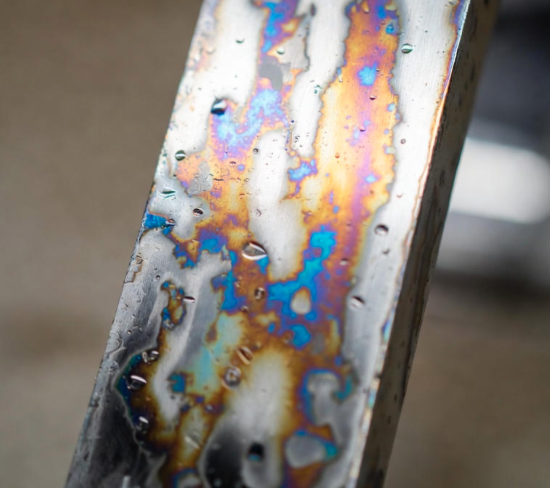
Discoloration: Stains develop from rinsing or drying problems.
Colored spots, streaks, or overall tarnishing after plating indicates post-plate problems. Inadequate rinsing leaves chemistry residues creating stains during drying. Contaminated rinse water deposits minerals. Slow drying allows oxidation or chemical reactions. Water spots form from minerals in final rinse. Chromate conversion coatings applied incorrectly create streaks. Fix through improved rinsing with flowing water, final rinse using deionized water, faster drying with hot air or centrifugal dryers, and proper chromate application technique. Most staining occurs after parts leave plating tank making rinse and dry procedures critically important for cosmetic appearance regardless of perfect coating underneath.
Nodules
Bumps, lumps, or nodular growths on coating surface come from particulate contamination or metallurgical issues. Dirt, dust, or precipitates settling on parts during plating create nodules growing around particles. Anode corrosion products float through solution depositing on cathodes. Mica or graphite from worn brushes contaminates chemistry. Metal precipitates from improper pH or chemistry imbalance form particles. Continuous filtration removes suspended matter before reaching parts. Clean tanks regularly. Replace worn anodes. Maintain chemistry within operating windows preventing precipitation. Keep facility clean minimizing airborne contamination. Nodules indicate poor housekeeping or chemistry maintenance rather than fundamental process problems.
Detection
Visual inspection under good lighting reveals defects immediately. Use magnification for subtle issues. Reference samples establish acceptable appearance standards.
Prevention
Filter continuously. Cover tanks when idle. Clean facilities regularly. Maintain chemistry specifications. Train operators recognizing early warning signs.
Defect Diagnosis
- •Pitting indicates contamination, hydrogen evolution, or inadequate wetting agents in solution
- •Roughness traces to excessive current density, metallic contamination, or substrate condition
- •Blistering reveals trapped hydrogen or poor surface preparation preventing adhesion
- •Dull finishes result from depleted brighteners, low current density, or cold temperatures
- •Staining and nodules indicate post-plate handling or contamination control problems