
Electroplating Learn.
Everything you need to know about electroplating but were afraid to ask. We break down complex coating processes into plain English so you can talk intelligently with suppliers, write better specifications, and avoid expensive mistakes. Think of this as electroplating school without the boring lectures or pop quizzes. Real knowledge from 30 years in the tanks.
Adhesion Problems
TroubleshootingRoot Causes
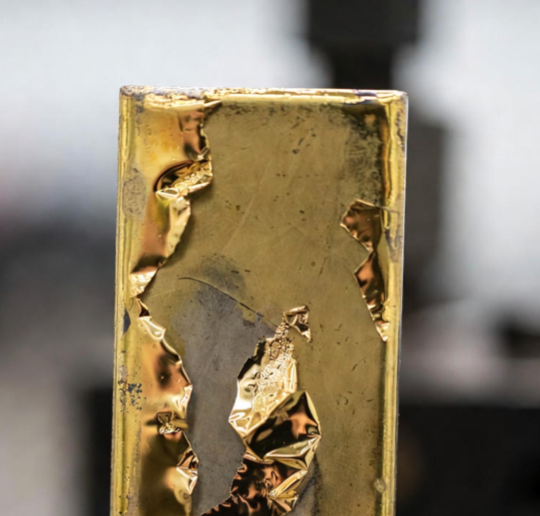
Failure Analysis: Poor adhesion traces to prep failures 90% of the time.
Coating adhesion failures almost always originate before parts enter plating tanks. Surface contamination from oils, greases, or handling prevents metallic bonding. Oxides create weak interfaces between substrate and deposit. Wrong substrate material doesn't accept certain coatings. Inadequate cleaning leaves invisible films blocking adhesion. Insufficient activation fails creating chemically active surface. Plating chemistry rarely causes adhesion problems. Surface preparation determines success or failure. Fix prep and adhesion problems disappear. Ignore prep and adhesion failures never stop regardless of perfect plating parameters.
Oil Contamination
Machining oils, rust preventatives, buffing compounds, and fingerprints leave residues preventing coating adhesion. Water break test reveals contamination instantly. Clean parts wet uniformly with water sheeting off surfaces. Contaminated parts show water beading like fresh car wax. Any beading means inadequate cleaning requiring longer degrease cycles, hotter solutions, or electrolytic cleaning adding mechanical scrubbing action. Alkaline cleaners saponify oils making them water soluble. Ultrasonic agitation helps complex geometries. Electrolytic cleaning generates hydrogen bubbles physically removing stubborn films. Keep degreasing until water break test passes perfectly.
Water Break Test
Rinse parts with clean water after degreasing. Water should wet entire surface forming continuous film. Any breaks, beads, or dry spots indicate contamination. Parts failing water break test will have adhesion problems guaranteed. Re-clean until test passes consistently.
Oxide Problems
Metal surfaces oxidize rapidly in air. Steel forms iron oxide (rust). Aluminum creates aluminum oxide. Copper develops cupric oxide. Stainless steel grows chromium oxide. These oxide layers prevent metallic bonding between substrate and plating. Acid pickling removes oxides chemically but surfaces re-oxidize within minutes. Time between pickle and plating critically affects adhesion. Smart shops position pickle tanks adjacent to plating tanks minimizing transfer time. Cathodic activation in plating bath provides final oxide removal immediately before current application. Heavy oxides require mechanical removal via blasting or grinding before chemical cleaning.
Steel
Visible rust or scale requires pickling in sulfuric or hydrochloric acid
Aluminum
Tenacious oxide needs alkaline etch or acid desmut removing barrier
Stainless
Passive chromium oxide requires activation via specialized chemistry
Wrong Substrate
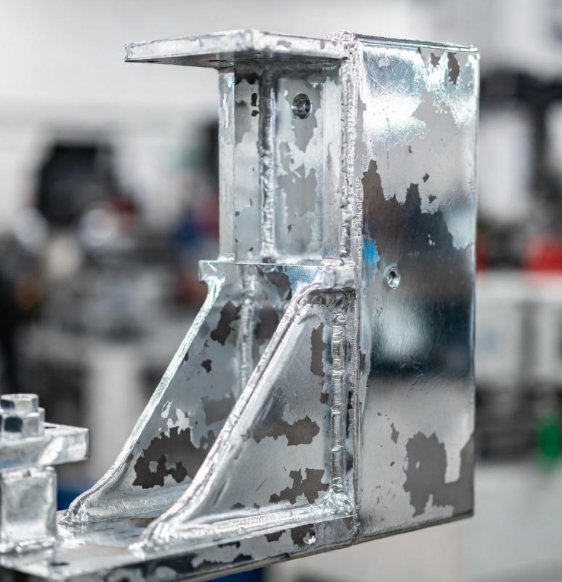
Material Compatibility: Some substrates won't accept certain coatings.
Not every coating sticks to every substrate. Chrome plates poorly on zinc. Nickel struggles on aluminum without zincate strike layer. Direct gold on steel fails without copper or nickel undercoat. High silicon aluminum alloys reject most coatings. Cast iron's graphite content creates adhesion issues. Hardened tool steels plate with internal stress causing peeling. Material selection matters before requesting quotes. Inform platers about exact alloy composition preventing expensive trial-and-error discovering incompatibility after production starts. Experienced shops know material limitations and recommend appropriate strike layers, alternative coatings, or process modifications ensuring successful adhesion.
Testing Methods
Multiple tests verify adhesion quality catching problems before shipping parts. Tape test applies strong adhesive tape then rips off checking coating removal. Bend test flexes plated strips around mandrels watching for cracking or delamination. File test scrapes coating with hardened file assessing bond strength through resistance. Heat-quench test thermal shocks parts revealing weak interfaces. Peel test mechanically measures force required separating coating from substrate. Most specifications define specific test methods and acceptance criteria. Run adhesion tests during process qualification and periodically throughout production catching chemistry drift or procedure changes affecting bond strength before rejecting customer parts.
| Test | Method | Pass Criteria |
|---|---|---|
| Tape Test | Apply/remove strong tape | No coating removal |
| Bend Test | Flex around mandrel | No cracking or peeling |
| File Test | Scrape with sharp file | Coating resists removal |
| Heat-Quench | Thermal shock cycle | No blistering or lifting |
Prevention
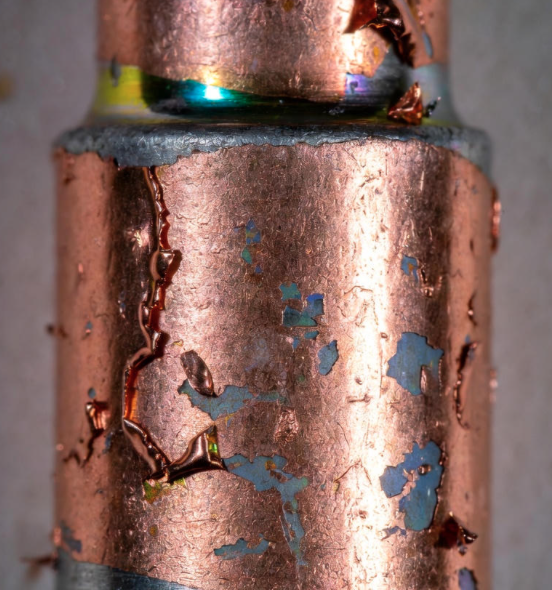
Process Control: Consistent prep procedures prevent adhesion failures.
Document and follow established prep procedures religiously. Test cleaning effectiveness via water break method every batch. Maintain degreaser concentration and temperature within specifications. Replace pickle baths when depleted preventing inadequate oxide removal. Minimize time between activation and plating. Train operators recognizing surface conditions indicating prep problems. Use strike layers on difficult substrates providing intermediate bonding surface. Monitor adhesion test results trending data catching gradual deterioration before catastrophic failures. Most adhesion problems originate from shortcuts, contamination, or procedure drift. Disciplined surface preparation prevents 90% of adhesion issues regardless of coating type or substrate material.
Fixing Failures
Parts failing adhesion tests need immediate root cause analysis before continuing production. Review prep cycle timing and chemistry concentrations. Inspect cleaning tanks for contamination or depletion. Check pickle acid strength and immersion times. Verify activation procedure followed correctly. Test substrate material confirming specifications. Run process qualification coupons alongside suspect parts isolating variables. Once root cause identified, implement corrections and verify with adhesion testing before releasing more production. Fixing adhesion problems means fixing prep procedures, not adjusting plating parameters. Focus investigation upstream from plating tanks where problems actually originate.
Good Adhesion
Coating survives tape test, bend test, and file test without damage. Passes heat-quench cycles. Resists peeling at edges or high-stress areas.
Poor Adhesion
Coating lifts with tape, cracks during bending, or scrapes off easily. Blisters form after thermal cycling. Edges peel spontaneously.
Adhesion Troubleshooting
- •Poor adhesion traces to surface preparation failures 90% of the time, not plating chemistry
- •Oil contamination revealed by water break test must be eliminated before acceptable adhesion
- •Metal oxides prevent metallic bonding requiring acid pickling and immediate plating transfer
- •Some substrate-coating combinations need strike layers ensuring compatible interface
- •Regular adhesion testing catches process drift before shipping defective parts to customers