
Electroplating Learn.
Everything you need to know about electroplating but were afraid to ask. We break down complex coating processes into plain English so you can talk intelligently with suppliers, write better specifications, and avoid expensive mistakes. Think of this as electroplating school without the boring lectures or pop quizzes. Real knowledge from 30 years in the tanks.
Selective Plating
ProcessesWhat Is It
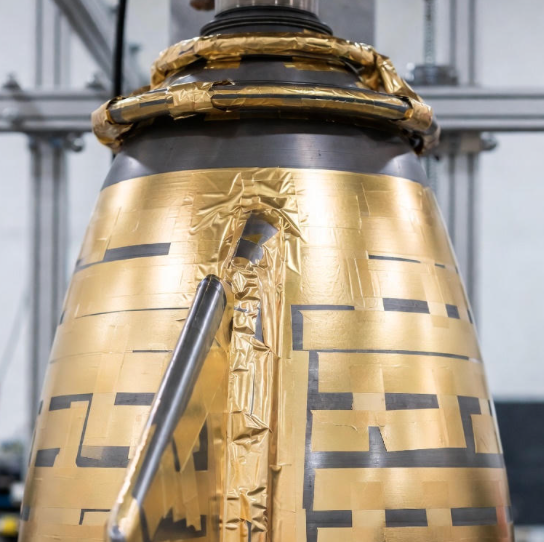
Targeted Coating: Plate only specific areas while protecting other surfaces.
Selective plating deposits coatings only where needed instead of covering entire parts. Think of it like using masking tape when spray painting except with electroplating. Mask off areas you want bare, plate exposed surfaces, remove masks, done. Repair work uses selective plating fixing worn bearings, shafts, or mating surfaces without replating whole assemblies. New manufacturing selectively plates connector contacts leaving housings bare or applies wear-resistant coatings only to high-friction zones. Saves money, reduces waste, and enables functionality impossible with full-part plating.
Masking Methods
Physical masks block plating solution and current from protected areas. Tapes, lacquers, waxes, plastisol, or fitted plugs seal surfaces you want bare. Stop-off lacquer painted on areas dries creating chemical-resistant barrier. Rubber caps or plugs fit over threaded holes or precision bores. Vinyl tape covers larger areas. Each method suits different geometries and coating types. Masks must resist plating chemistry, adhere firmly preventing solution creep, and remove cleanly afterward. Bad masking wastes time stripping plating from wrong areas or leaves residue contaminating parts.
Tape
Quick application for flat surfaces but edges leak without care
Lacquer
Brushed or sprayed coating for complex shapes with chemical removal
Tooling
Custom fixtures or plugs for precision masking of specific features
Brush Plating
Brush plating applies coatings locally using handheld anodes wrapped in absorbent material soaked with plating solution. Operator manually brushes solution onto areas needing plating while electrical current flows from power supply through brush anode to part (cathode). This portable approach repairs worn shafts, bearing journals, or hydraulic cylinder rods onsite without disassembly. Current densities run much higher than tank plating building thickness quickly. Skilled operators control deposit quality through brush motion, solution application rate, and current settings. Common for maintenance work but requires training preventing burns or uneven deposits.
Current Control
Brush plating runs 5 to 10 times higher current density than tank plating. Builds fast but burns easily if you linger. Keep the brush moving constantly. Feel the heat. Back off current if parts get hot enough to make you pull your hand away.
Applications
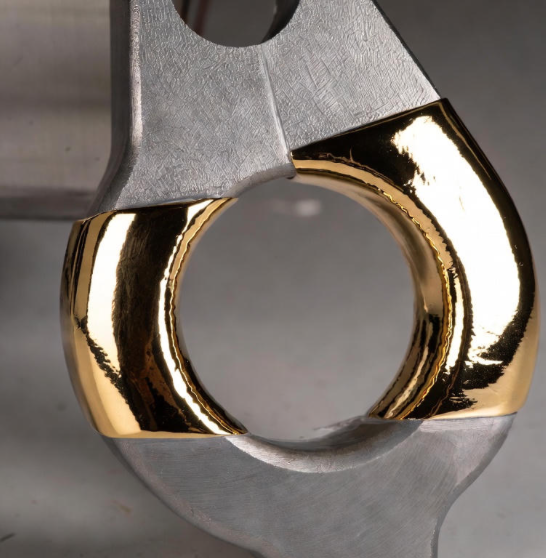
Common Uses: Repair, partial coating, and localized enhancement.
Repair work dominates selective plating applications. Build up undersized shafts, worn gear teeth, or corroded mating surfaces to original dimensions. Connector manufacturers selectively gold plate contact areas leaving plastic bodies uncoated. PCB fabrication plates copper only in circuit traces using photoresist masking. Maintenance shops repair hydraulic cylinders, turbine blades, or expensive tooling avoiding replacement costs. Medical instruments get biocompatible coatings only on tissue-contact zones. Whenever full-part plating wastes money or creates problems, selective plating provides the targeted solution.
Process Steps
Clean and prepare surfaces thoroughly. Oils or oxides prevent adhesion just like full-part plating. Apply masking to areas staying bare ensuring complete coverage and good adhesion. For tank plating, rack masked parts normally and process through standard cycle. For brush plating, set up portable power supply, prepare solution-soaked anode, and apply coating manually. Remove masking after plating. Strip any plating that bled past masks onto unwanted areas. Inspect dimensional restoration and coating quality. Selective plating adds process steps but enables jobs impossible otherwise.
| Method | Best For | Limitation |
|---|---|---|
| Tank with Masking | Production quantities | Masking labor costs |
| Brush Plating | Field repairs, large parts | Operator skill required |
| Reel-to-Reel | Strip, wire, continuous | Setup complexity |
| Pulse Plating | Precise thickness control | Equipment cost |
Cost Considerations
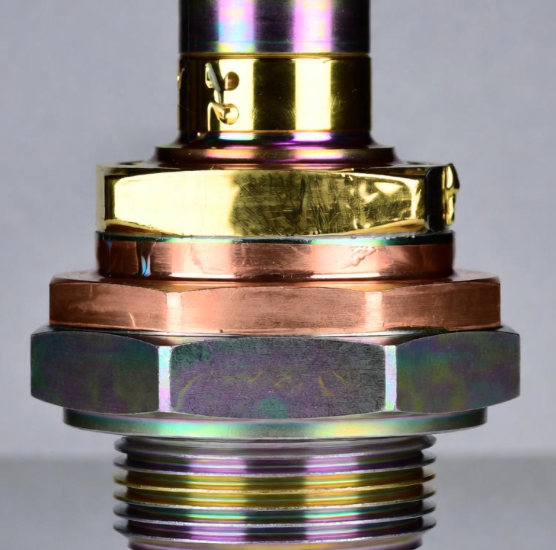
Economics: Masking labor versus material savings determines viability.
Selective plating saves expensive plating materials particularly precious metals like gold or platinum. Masking labor adds costs but eliminating unnecessary plating offsets expenses on high-value coatings. Repair applications avoid replacement costs potentially saving thousands per part. Production volumes determine economic viability. High-volume runs with repeatable masking patterns justify custom tooling amortizing costs over quantities. Low-volume custom work makes manual masking prohibitive unless coating costs exceed labor. Calculate total cost including masking, plating, and mask removal comparing against full-part plating before committing to selective approaches.
Tips
Test masking materials with actual chemistry before production. Some tapes dissolve. Some lacquers crack. Some waxes melt. Overlap tape edges preventing solution creep underneath. Apply stop-off lacquer in multiple thin coats rather than single thick application. Cure lacquers completely before immersion. Inspect masked parts under magnification finding pinholes or gaps before plating. Remove masks promptly after plating. Aged lacquer becomes nearly impossible stripping. For brush plating, practice on scrap first. Consistent hand motion and current control take experience. Keep detailed records of settings for repeatability.
Masking Quality
Sharp masking edges produce clean plating lines. Ragged edges cause plating creep and fuzzy boundaries. Take time doing masks right first time.
Current Distribution
Edges near masks get high current creating thickness buildup. Account for this designing mask patterns or accept edge effects.
Selective Plating Overview
- •Deposits coatings only on specific areas using masking or localized application methods
- •Masking with tapes, lacquers, or tooling protects surfaces staying bare during tank plating
- •Brush plating enables portable field repairs using handheld anodes and high current density
- •Saves expensive coating materials and enables functionality impossible with full-part plating
- •Economics depend on masking labor costs versus material savings for precious metal coatings