
Electroplating Learn.
Everything you need to know about electroplating but were afraid to ask. We break down complex coating processes into plain English so you can talk intelligently with suppliers, write better specifications, and avoid expensive mistakes. Think of this as electroplating school without the boring lectures or pop quizzes. Real knowledge from 30 years in the tanks.
Electroless Plating
ProcessesWhat Is It
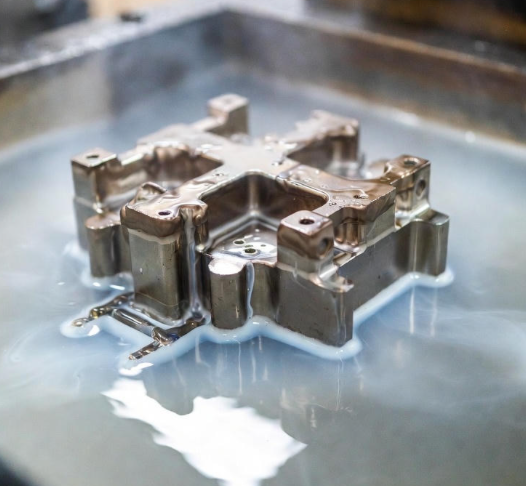
Chemical Deposition: Plating without external electrical current via chemical reaction.
Electroless plating deposits metal coatings through chemical reduction without external electrical current. Unlike electroplating that needs power supplies and electrical contact, electroless chemistry uses reducing agents in solution triggering metal deposition directly on catalyzed surfaces. The most common electroless coating is nickel-phosphorus providing excellent corrosion resistance and uniform thickness on complex geometries. Electroless copper enables printed circuit board manufacturing. The "electroless" name means no external electricity required. Chemistry does all the work once you immerse properly prepared parts in heated solution.
How It Works
Electroless chemistry requires catalyzed surfaces initiating metal deposition. For most metals, palladium catalyst applied during surface prep starts the reaction. Immerse catalyzed parts in electroless solution containing metal salts, reducing agents (hypophosphite for nickel), complexing agents, and buffers at elevated temperature typically 180 to 200°F. Reducing agent donates electrons to metal ions causing them to deposit as neutral metal atoms on the part surface. The deposited metal layer itself becomes catalytic continuing the reaction and building thickness. Process continues until you remove parts from solution or chemistry depletes.
Autocatalytic Process
Once electroless plating starts, the deposited metal catalyzes further deposition creating a self-sustaining reaction. This autocatalytic behavior allows coating non-conductive materials like plastics after applying catalyst layer. Magic for PCB manufacturing.
Key Advantages
Uniform thickness on complex shapes beats electroplating hands down. No current distribution issues means deep recesses, inside diameters, and blind holes coat evenly as external surfaces. Non-conductive substrates like plastics plate after catalyst activation enabling plating on ABS, polycarbonate, and other polymers. No electrical contact points required eliminating rack marks or contact problems. Coating thickness builds consistently across entire part surface independent of geometry. These advantages drive electroless nickel domination in applications like automotive fuel injectors, hydraulic valves, and any complex cavity requiring uniform corrosion protection.
Uniform
Even thickness on complex geometries without current effects
No Current
Chemical deposition eliminates electrical contact requirements
Versatile
Coats metals, plastics, ceramics after proper surface prep
Common Types
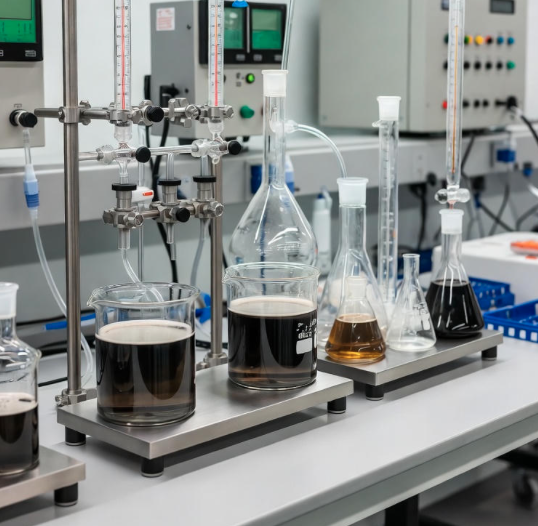
Chemistry Options: Different metals suit different application requirements.
Electroless nickel-phosphorus dominates industrial applications providing excellent corrosion and wear resistance. Phosphorus content ranges from 2% to 13% affecting coating properties. Low phosphorus gives harder deposits. High phosphorus provides maximum corrosion resistance and amorphous structure. Electroless copper enables circuit board manufacturing depositing seed layers for subsequent electroplating. Electroless gold coats electronics contacts. Electroless silver serves specialty applications. Each chemistry requires specific surface preparation, operating conditions, and bath maintenance. Most shops focus on electroless nickel because it handles 90% of customer requirements.
Process Control
Bath temperature critically affects deposition rate and coating properties. Most electroless nickel runs 180 to 195°F with tight plus or minus 5°F control. Lower temperatures plate slower. Higher temperatures increase rate but risk spontaneous decomposition where solution plates itself instead of parts creating sludge disasters. pH must stay within narrow windows, typically 4.5 to 5.5 for electroless nickel. Chemistry concentration needs regular monitoring replenishing depleted components. Loading density affects bath life. Filtration removes particulates preventing rough deposits. Temperature, pH, metal content, and reducer concentration require daily testing maintaining stable operating conditions.
| Parameter | Typical Range | Impact if Wrong |
|---|---|---|
| Temperature | 180-195°F | Slow rate or decomposition |
| pH | 4.5-5.5 | Poor deposit or no plating |
| Nickel Content | 4.5-6.5 g/L | Reduced deposition rate |
| Reducer | Variable by type | Stops plating completely |
Limitations
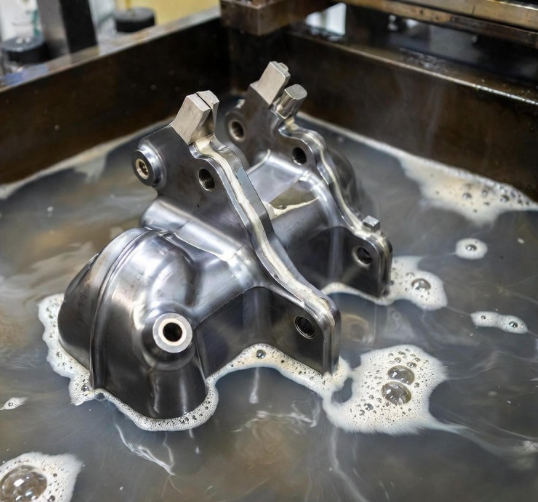
Trade-offs: Benefits come with operational challenges and costs.
Electroless baths cost more than electroplating solutions because chemistry continuously depletes requiring expensive replenishment. Bath life measures metal turnover, typically 3 to 6 turnovers before dumping. Spontaneous decomposition risks destroying entire bath if temperature or pH drift out of range. Plating rates run slower than electroplating, about 0.0004 to 0.0008 inches per hour typical. Limited metal options compared to electroplating's dozens of coating choices. Despite limitations, uniform thickness and non-conductive substrate capability make electroless processes irreplaceable for specific applications where electroplating fails.
Best Practices
Monitor temperature constantly using controllers with plus or minus 2°F accuracy. Check pH every cycle adjusting with ammonia or acid maintaining specification. Test metal and reducer concentration daily using titration or supplier-provided methods. Filter continuously removing particulates and sludge. Maintain proper loading density, typically 1 to 2 square feet per gallon. Heat bath slowly avoiding thermal shock. Never exceed maximum recommended temperature preventing decomposition. Keep detailed records of chemistry adjustments, bath turnovers, and plating times predicting bath life and planning replacements. Treat electroless chemistry like the temperamental high-maintenance system it is. Reward comes through coating quality impossible any other way.
Temperature Danger
Over 200°F most electroless baths spontaneously decompose plating out on tank walls, heaters, and themselves. Total loss. Install high-temperature cutoffs preventing disasters.
Surface Prep
Activation quality determines success. Palladium catalyst must cover entire surface uniformly. Patchy activation gives patchy plating. Test activation before plating production.
Electroless Fundamentals
- •Chemical reduction deposits metal without external electrical current using reducing agents
- •Provides uniform thickness on complex geometries eliminating current distribution limitations
- •Enables plating non-conductive substrates like plastics after catalyst activation
- •Requires tight temperature and pH control preventing spontaneous bath decomposition
- •Higher chemistry costs offset by unique capabilities impossible with standard electroplating