
Electroplating Coatings.
Electroplating coatings deposit metal layers onto surfaces to enhance appearance, corrosion resistance, wear properties, electrical conductivity, and more. From precious metals to functional alloys, each coating offers unique benefits for diverse industrial applications. From gold, to chrome, to copper and tin, electroplating coatings make the modern world possible.
Platinum
Precious Metals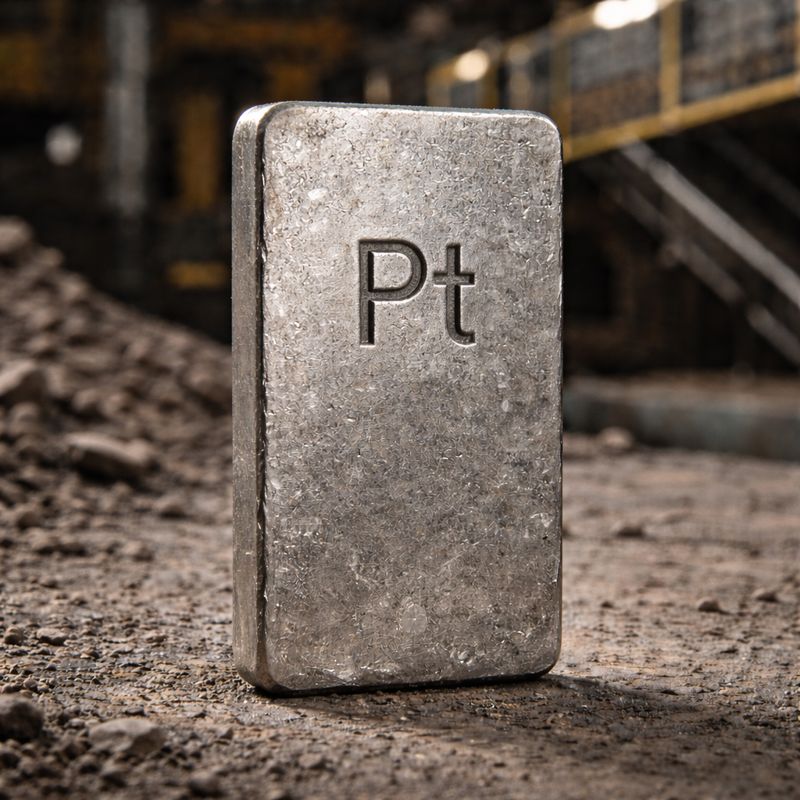
Platinum Deposit Quality: Dense platinum electroplate showing characteristic silvery-white finish with excellent uniformity, demonstrating superior corrosion resistance and chemical inertness for demanding industrial and jewelry applications.
Summary
Platinum plating delivers ultimate chemical resistance and high-temperature stability in a beautiful silvery-white package. You're depositing the most chemically inert metal for jewelry (that white gold look), electronics (superior to gold in harsh environments), and industrial equipment (chemical resistance beats everything). Conductivity is excellent, tarnish resistance is absolute, and biocompatibility is perfect (used in pacemakers and implants). Material cost runs $900 to $1,200 per ounce so it's cheaper than gold but still precious metal pricing. Chemistry is complex (usually chloride or sulfamate baths), availability is limited compared to gold, but performance justifies the premium. When you need gold's reliability with better wear resistance and chemical inertness, platinum's your metal.
Benefits
Platinum benefits combine appearance, durability, and chemical performance. Corrosion resistance is absolute (platinum doesn't react with any normal chemicals, acids, or bases). Chemical inertness is extreme (used in harsh chemical processing and medical implants). Wear resistance beats gold significantly (harder at 150 to 250 HV versus gold's 60 to 90 HV). High-temperature stability is excellent (maintains properties to 1500°F+). Electrical conductivity is good (better than palladium, slightly less than gold). Biocompatibility is perfect (completely inert in body). The silvery-white appearance delivers that premium white metal look for jewelry. For applications demanding absolute chemical resistance with mechanical durability, platinum performs.
Thicknesses
Platinum thickness balances performance with precious metal cost. Jewelry typically runs 30 to 100 microinches (enough for wear resistance and appearance). Electronics connectors use 15 to 50 microinches for reliability. Chemical processing equipment sometimes goes 100 to 500 microinches for aggressive service. Medical device coatings run 20 to 100 microinches for biocompatibility. Flash platinum (under 10 microinches) provides tarnish resistance over silver. Plating rate is moderate (0.3 to 1.5 mils per hour). Thickness control is reasonable (±15% with good process management).
Common Thicknesses
Microinches: 15 to 500 μin (0.000015 to 0.000500 Inch)
Micrometers: 0.4 to 12.5 μm (0.0004 to 0.0125 mm)
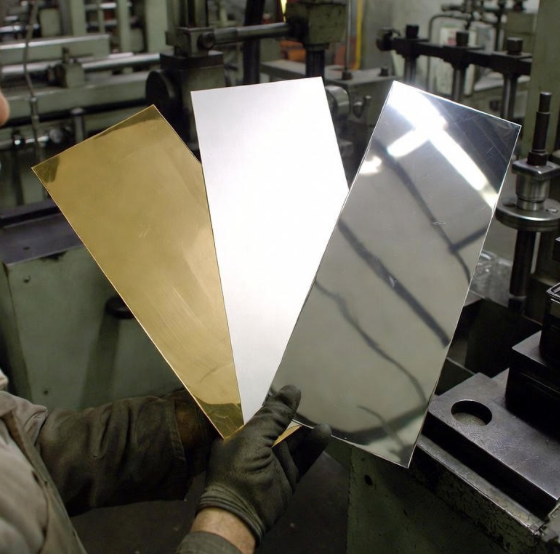
Wear Testing Results: Abrasion testing comparing platinum to gold and palladium showing platinum's superior wear resistance and durability for high-cycle jewelry and connector applications.
Coating Alternatives
For jewelry wanting white metal appearance, rhodium is cheaper and brighter (but wears off requiring periodic replating). Palladium costs less with decent performance (lacks platinum's extreme chemical resistance). White gold alloys provide appearance through nickel or palladium content. For electronics, gold offers better conductivity but inferior wear resistance. Iridium delivers higher hardness for spark plugs but chemistry is brutally difficult. For industrial chemical equipment, solid platinum fabrication or platinum-clad materials work for extreme service. Platinum occupies middle ground: more chemically resistant than palladium, more wearable than gold, more available than iridium.
- Upgrade: Iridium
Iridium provides superior hardness and erosion resistance (600 to 800 HV versus platinum's 150 to 250 HV). Used for spark plugs and extreme wear applications. Material costs more ($5,000+ per ounce) and plating is way more difficult. When platinum wear resistance isn't enough, iridium's the upgrade.
- Substitute: Palladium
Palladium delivers 80% of platinum's performance at 60 to 70% of cost. Corrosion resistance is good but not platinum's extreme chemical inertness. For electronics and applications without severe chemical exposure, palladium saves money. Industrial chemistry and medical devices still choose platinum.
- Cheaper: Rhodium
Rhodium flash plating (50 to 100 microinches) over white gold provides brilliant white appearance cheaper than thick platinum. Problem is rhodium wears off (jewelry needs replating every 1 to 3 years). For pure appearance without durability requirements, rhodium works. Platinum lasts decades.
Best Practices
Platinum plating requires precious metal expertise and careful process control. Bath chemistry is complex (chloride or sulfamate-based, very acidic, temperature-sensitive). Nickel underplate is mandatory for adhesion and preventing base metal diffusion. Surface preparation must be immaculate (any contamination prevents bonding). Current density runs low to moderate (2 to 10 ASF). Bath temperature 140 to 180°F typical. Agitation improves uniformity. Filtration removes particles. Dragout recovery is essential (platinum's too valuable to dump). Quality control includes thickness measurement, adhesion testing, and composition verification. Only work with shops having documented precious metal experience.
Bath Chemistry
Chloride or sulfamate baths (proprietary formulations common). pH very acidic (0 to 2). Temperature 140 to 180°F. Current density 2 to 10 ASF. Platinum concentration critical (daily analysis typical). Contamination intolerance high. Platinum anodes required.
Surface Preparation
Ultra-clean substrate mandatory. Nickel underplate standard (prevents diffusion, improves adhesion). Strike layer sometimes used. Surface finish affects final appearance (polish substrate for bright platinum). Activation immediately before plating.
Plating Steps
Clean, nickel underplate (50 to 200 microinches), activate, platinum plate to spec, rinse in pure water, dry. Dragout recovery mandatory (rinse tanks capture platinum for reclaim). Cycle time 30 minutes to 2 hours. Multiple rinse stages recover precious metal.
Quality Controls
XRF for thickness and purity. Adhesion testing (scratch, peel, thermal shock). Visual inspection under magnification. Hardness measurement for wear applications. Contact resistance for electronics. Porosity testing for chemical applications.
Specifications
Platinum plating specifications depend on application. ASTM B679 covers platinum and platinum alloy electrodeposits. MIL-DTL-45204 includes platinum for military electronics. AMS 2422 addresses aerospace gold and platinum plating. Jewelry industry has internal standards for thickness and purity. Medical device specifications emphasize biocompatibility testing and corrosion resistance validation. Chemical processing specs focus on chemical resistance in specific environments. Most applications reference ASTM B679 baseline with custom requirements for thickness, adhesion, and performance testing specific to service conditions.
Standard for electrodeposited platinum and platinum group metal coatings. Defines types, grades, thickness requirements, purity specifications, and testing procedures. Primary reference for platinum plating across jewelry, electronics, and industrial applications.
Military specification covering platinum plating for defense electronics and connectors. Includes environmental testing, adhesion requirements, and reliability validation. Used for high-reliability aerospace and military connector applications demanding proven longevity.
Test methods for precious metal electrodeposits including platinum. Covers thickness measurement procedures, adhesion testing, purity analysis, and visual inspection standards. Quality control reference for laboratories and production facilities validating platinum coating quality.
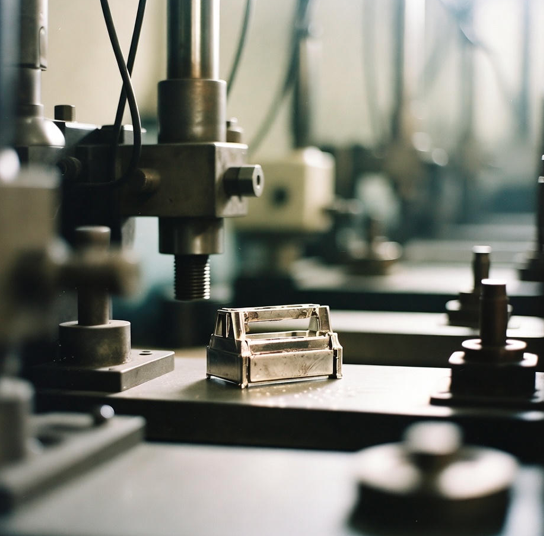
Cost Structure: Platinum plating economics showing material cost advantage versus gold offset by processing complexity, making it compelling for wear-demanding jewelry and chemical resistance applications.
Price
Platinum plating costs less than gold on material but processing is specialized. Platinum metal runs $900 to $1,200 per troy ounce (about half gold's price). Processing charges add $0.50 to $3.00 per square inch. A jewelry piece might save 30% on material versus gold but shop charges stay similar (complexity offsets metal savings). Electronics connectors use platinum when wear resistance justifies premium over palladium. Chemical equipment platinum coating costs project basis (thousands for specialized industrial work). Material savings versus gold are real, availability is more limited requiring precious metal specialists.
Part Materials (Substrates)
Platinum plates onto most metals with proper nickel underplate. Gold and gold alloy jewelry accepts platinum directly (upgrading worn gold with platinum topcoat). Silver substrates work for jewelry applications. Copper and copper alloys require nickel barrier (prevents diffusion). Stainless steel is common for medical and chemical equipment. Titanium accepts platinum for biomedical devices. Nickel alloys work well for industrial applications. The nickel underplate isn't optional (provides adhesion, prevents base metal migration, and ensures uniform platinum deposit quality).
Gold jewelry accepts platinum plating for enhanced wear resistance and white metal appearance. Worn yellow gold pieces can be platinum-plated creating durable white finish. Bond is excellent since both are noble metals. High-end jewelry industry uses platinum over gold combination.
Stainless steel medical instruments and chemical processing equipment use platinum plating for biocompatibility and chemical resistance. Requires activation and nickel strike. Surgical tools, laboratory equipment, and specialized industrial hardware combine stainless strength with platinum inertness.
Copper electronics components use platinum plating for harsh environment connectors and specialized contacts. Nickel underplate mandatory to prevent copper diffusion. Applications include high-temperature sensors, chemical process control contacts, and premium audio connectors where platinum inertness matters.
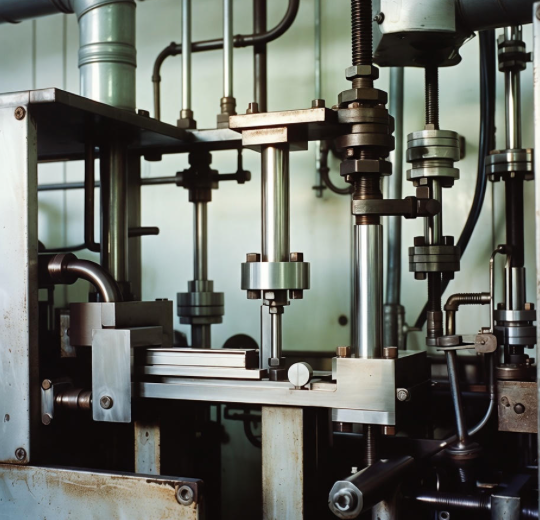
Luxury Jewelry Application: Fine jewelry showing platinum plating delivering premium white metal appearance with exceptional durability for high-end accessories and wedding bands.
Industries
Platinum serves jewelry manufacturers wanting premium white metal appearance with durability, medical device companies requiring absolute biocompatibility, and chemical processing plants needing extreme corrosion resistance. Fine jewelry uses platinum for that silvery-white look that doesn't wear off (unlike rhodium requiring periodic replating). Medical device industry specifies platinum for pacemaker cases, implantable electrodes, and surgical instruments contacting body tissues long-term. Chemical plants use platinum electrodes and reactor linings for processes involving acids, bases, or elevated temperatures destroying lesser materials. Every application values platinum's unique combination of appearance, chemical inertness, and mechanical durability.
Luxury jewelry uses platinum plating for permanent white metal finish on rings, bracelets, and high-end accessories. Durability beats rhodium (no replating needed for years). Hypoallergenic properties prevent reactions. Wedding bands and daily-wear jewelry benefit from platinum wear resistance lasting decades with proper care.
Medical device manufacturers use platinum plating for pacemaker cases, neurostimulator electrodes, and permanent implants requiring absolute biocompatibility. Complete inertness in body fluids prevents immune response. Corrosion resistance ensures decades of reliable function. FDA-approved for long-term body contact applications.
Chemical processing uses platinum electrodes for electrolysis, chemical synthesis, and analytical instruments. Inertness in acids, bases, and molten salts makes platinum irreplaceable for aggressive chemical environments. Laboratory equipment, industrial electrochemical reactors, and sensors specify platinum for reliable long-term service.
Properties
Platinum properties deliver exceptional all-around performance. Corrosion resistance is absolute (inert to all normal acids, bases, and chemicals). Chemical inertness rivals gold (even more resistant to some aggressive chemicals). Hardness for electrodeposit runs 150 to 250 HV (significantly harder than gold's 60 to 90 HV). Wear resistance beats gold by huge margin. High-temperature stability is excellent (maintains properties to 1500°F+). Electrical conductivity is good (70% of copper, similar to gold). Biocompatibility is perfect (FDA approved for permanent implants). Color is silvery-white with high reflectivity. Density is 21.4 g/cm³ (very heavy, denser than gold).
Physical
Hardness: 150 to 250 HV (much harder than gold)
Thickness range: 15 to 500 microinches typical
Wear resistance: Excellent (superior to gold and palladium)
Chemical
Corrosion resistance: Absolute (inert to nearly all chemicals)
Chemical inertness: Extreme (biocompatible, catalyst-stable)
Electrical & Thermal
Conductivity: Good (similar to gold, better than palladium)
High-temp performance: Excellent (stable to 1500°F+)
Appearance
Color: Silvery-white (similar to white gold or rhodium)
Brightness: High reflectivity, lustrous finish
Finish: Bright or satin depending on process
Safety and Hazards
Platinum plating safety is moderate with standard precious metal handling. Bath chemistry is highly acidic requiring chemical-resistant PPE and ventilation. Platinum compounds have low toxicity (way safer than cadmium or chromium). The metal itself is completely inert and safe (that's why it goes in bodies). Heating equipment needs controls. Wastewater must be treated for precious metal recovery and pH neutralization. Dragout recovery systems are economically mandatory (platinum's too valuable to lose). Finished platinum-plated parts are safe for all applications including body contact. Shop safety follows standard precious metal protocols with acid handling precautions.
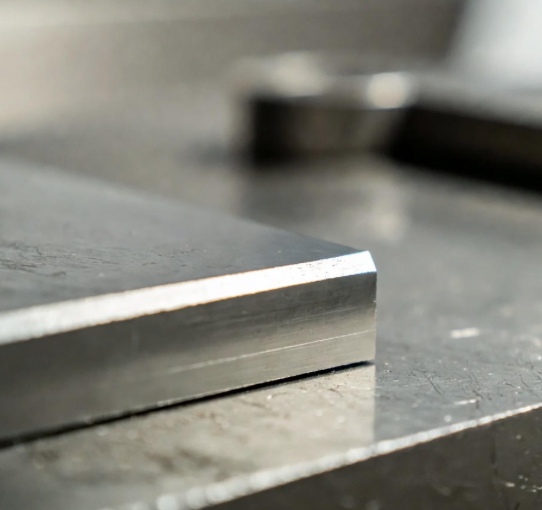
Durability Demonstration: Long-term wear testing showing platinum-plated jewelry maintaining finish integrity after years of daily wear versus rhodium requiring periodic replating.
Frequently Asked Questions (FAQ)
Why use platinum instead of rhodium for jewelry?
Durability. Rhodium flash plating (50 to 100 microinches) looks brilliant white but wears off in 1 to 3 years requiring replating. Platinum at 50 to 100 microinches lasts decades without wearing through. For daily-wear jewelry (wedding bands, bracelets), platinum justifies higher initial cost through longevity. Fashion jewelry needing temporary white finish uses cheaper rhodium.
Is platinum plating cheaper than solid platinum jewelry?
Way cheaper but different markets. Solid platinum jewelry uses platinum alloy throughout (950 platinum with 5% cobalt or ruthenium typical). A ring might contain $300+ in platinum metal. Plating uses maybe $5 to $20 in platinum on base metal. Solid platinum is prestige luxury market. Plated platinum is practical durability solution for fashion jewelry and industrial applications.
When should electronics use platinum instead of gold or palladium?
When wear resistance matters more than pure conductivity. Platinum beats gold in high-cycle connectors (thousands of insertions). Chemical exposure favors platinum (better resistance than palladium). High-temperature applications benefit from platinum stability. If you're just needing corrosion resistance, palladium saves money. If conductivity is critical, gold wins. Platinum occupies niche of demanding mechanical and chemical conditions.
Can platinum-plated jewelry be replated?
Yes but rarely needed. Platinum's hardness means it wears slowly. A properly plated piece might last 10 to 20 years with daily wear before needing touch-up. Replating process is same as initial plating (strip old coating if necessary, replate to original thickness). Cost is similar to original plating. Platinum's durability is whole point, minimal maintenance needed.
Where can I get platinum plating done?
Precious metal plating shops serving jewelry, medical device, or industrial markets. More available than iridium but less common than gold or palladium. Jewelry platers in major cities typically offer platinum. Medical device coaters need FDA compliance and biocompatibility testing capability. Industrial chemical equipment coaters require expertise with aggressive environments. Expect higher minimums than commodity plating.
Versatile Premium Coating: Platinum plating proven across jewelry, medical devices, and chemical processing as durable precious metal delivering exceptional wear resistance with absolute chemical inertness.
Conclusion
Platinum plating delivers a unique combination of properties making it irreplaceable for demanding applications. For jewelry needing permanent white metal finish lasting decades with daily wear, platinum outperforms rhodium. For medical devices surviving permanently in the human body, platinum's biocompatibility and chemical inertness justify any cost. Material runs $900-$1,200 per ounce, cheaper than gold but still precious metal pricing.
The jewelry industry uses platinum for premium white finish without rhodium replating maintenance. Medical companies specify platinum for pacemakers, implantable electrodes, and surgical instruments. Work with precious metal specialists having proper expertise, expect 50% material savings versus gold.
Next Steps
Ready to move forward with your electroplating project? Explore our detailed learning resources to deepen your understanding of coating processes and specifications. Use our interactive map to discover qualified suppliers in your area, or connect directly with our electroplating expert for personalized guidance on your specific application requirements.