
Electroplating Coatings.
Electroplating coatings deposit metal layers onto surfaces to enhance appearance, corrosion resistance, wear properties, electrical conductivity, and more. From precious metals to functional alloys, each coating offers unique benefits for diverse industrial applications. From gold, to chrome, to copper and tin, electroplating coatings make the modern world possible.
Copper
Common Metals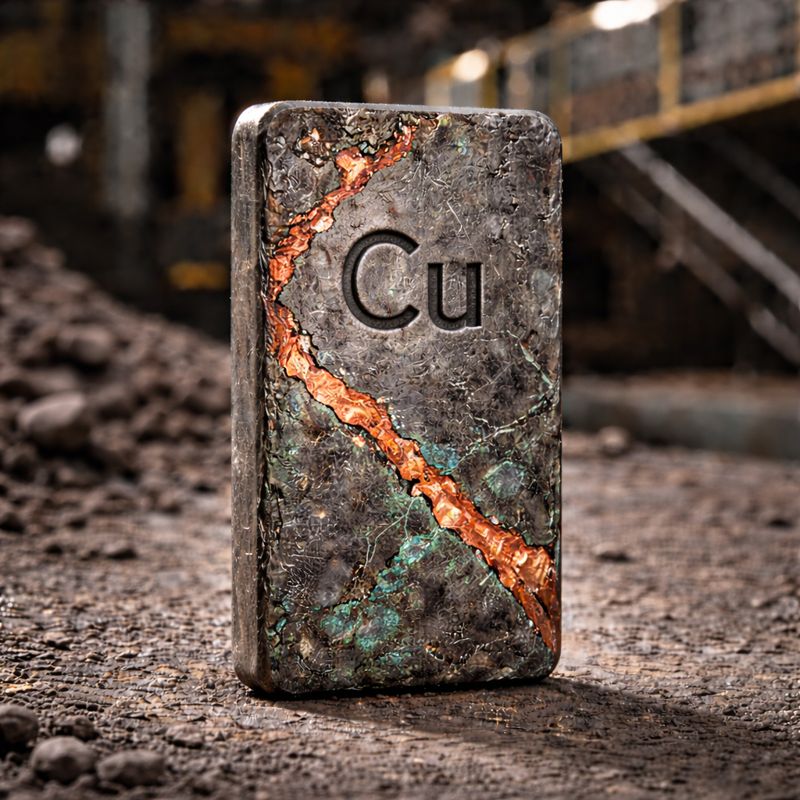
Copper Coating Material Photography: Pure copper displaying the characteristic reddish-orange metallic surface with bright luster, showing the soft ductile structure that provides exceptional electrical conductivity and uniform plating for base layer applications.
Summary
Copper plating is the foundation of modern electroplating, literally the base layer for most decorative and precious metal work. You're depositing copper onto steel, plastic, zinc castings, whatever needs a smooth conductive surface before the fancy coatings go on. It's cheap, plates fast, conducts electricity better than almost anything (second only to silver), and smooths out surface imperfections beautifully. Plus it's the standard strike layer for gold and other precious metals on brass or steel.
Benefits
Copper's benefits are practical and economic. It's dirt cheap compared to precious metals, so using it as a base layer saves serious money. The conductivity is outstanding (98% IACS, nearly as good as silver), perfect for electrical applications or as underlayers for gold. It levels out surface roughness better than most coatings, which is why decorative chrome systems start with copper. And it solderability is excellent if you need to make electrical connections.
Thicknesses
Copper thickness varies wildly by application. Strike layers (for adhesion before gold or silver) run 30 to 100 microinches. Leveling coats for decorative work go 500 to 1500 microinches (0.5 to 1.5 mils) to fill in surface imperfections. Electroforming uses thick copper (5 to 50 mils or more) to build actual structural parts. PCB plating runs thin (30 to 150 microinches in through-holes). Most shops can hold ±10% on thickness with decent bath control.
Common Thicknesses
Microinches: 30 to 2000 μin (0.000030 to 0.002 Inch)
Micrometers: 0.75 to 50 μm (0.00075 to 0.05 mm)
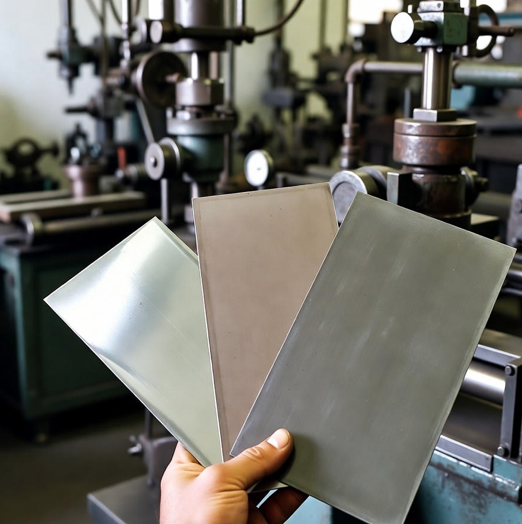
Coating Alternatives Comparison: Alternative base layer materials offering different leveling capabilities, conductivity profiles, and compatibility with various topcoat systems for decorative and functional plating applications.
Coating Alternatives
If copper won't work (substrate incompatibility, corrosion concerns), there are alternatives. Nickel gives similar leveling with better corrosion resistance but costs more and doesn't conduct as well. Electroless nickel works on complex shapes copper won't cover uniformly. For strike layers under precious metals, you might use special nickel strikes (Wood's nickel) instead of copper. Silver's better for pure conductivity but way more expensive. Each alternative trades off something copper does well.
- Upgrade: Nickel
Nickel provides better corrosion resistance than copper and can act as both leveling layer and barrier coat. It's standard practice to use copper for leveling then nickel for protection before decorative chrome. Costs more than copper but delivers multi-layer performance.
- Substitute: Electroless Nickel
Electroless nickel plates uniformly on complex shapes without requiring careful current distribution like copper. It won't level quite as aggressively but gives better corrosion protection. Common alternative when part geometry makes electroplated copper difficult.
- Cheaper: Zinc
Zinc's cheaper than copper for sacrificial corrosion protection on steel. Doesn't level as well or conduct as good, but if you just need base metal protection without precious metal topcoats, zinc makes more sense economically.
Best Practices
Copper plating is forgiving but you still need decent process control. Acid copper baths (most common these days) run at room temp to slightly warm (70 to 90°F), pH around 1 to 3. Current density varies (20 to 60 ASF typical, higher for bright deposits). Alkaline cyanide baths are older technology, still used for some applications but being phased out due to safety. Surface prep is standard (clean, activate). The real trick is getting uniform throwing power into recesses while not burning high-current areas.
Bath Chemistry
Acid copper sulfate baths most common (pH 1 to 3). Room temperature to 90°F. Current density 20 to 60 ASF. Brighteners and levelers added for decorative work. Pyrophosphate copper for specialized applications. Old cyanide baths being phased out but still exist.
Surface Preparation
Alkaline clean or solvent clean. Electro-clean for heavy oils. Acid activation (10% sulfuric acid). For plastics, etch and sensitize before electroless copper or nickel seed layer. Steel needs to be clean and oxide-free or adhesion suffers.
Plating Steps
Clean, activate, plate copper at controlled current density (adjust for part geometry and desired thickness), rinse thoroughly (copper salts drag out everywhere), anti-tarnish dip optional if storing before next operation. Total cycle 10 minutes to hours depending on thickness.
Quality Controls
Thickness measurement (XRF, magnetic, or cross-section for thick deposits). Adhesion testing (bend test, tape test). Visual inspection for coverage and uniformity. Hull cell testing for bath optimization. Surface roughness measurement for leveling applications.
Specifications
Copper plating specs depend on the end use. ASTM B734 covers copper electroplating for engineering applications. IPC standards govern PCB copper plating (IPC-4562 for rigid boards). MIL-DTL-14550 covers copper plating on steel for corrosion protection. Most decorative applications reference ASTM B456 for multi-layer nickel-chrome systems where copper's the leveling layer. Specs usually call out thickness, adhesion, and ductility requirements.
Standard specification for electrodeposited copper and copper alloy coatings for engineering uses. Covers deposit types, thickness ranges, adhesion testing, and quality control procedures for industrial copper plating applications.
Standard specification for electrodeposited coatings of copper plus nickel plus chromium for decorative applications. Defines the multi-layer system where copper provides leveling, nickel provides corrosion protection, and chrome provides appearance.
Standard for electrodeposited metallic coatings on printed wiring boards. Defines copper plating requirements for through-holes and surface features in PCB manufacturing including thickness, distribution, adhesion, and thermal stress resistance.
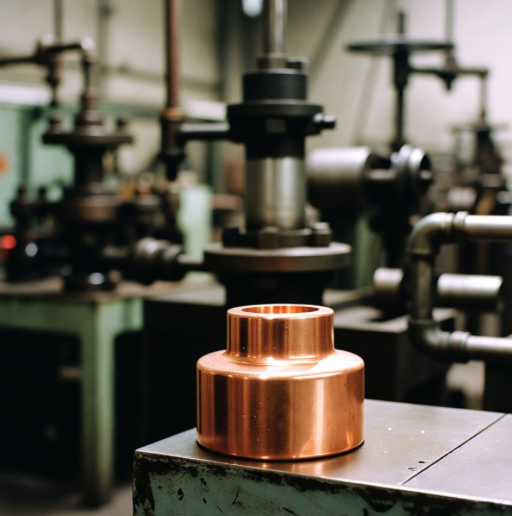
Market Pricing Influences: Copper pricing reflects construction demand, electrical infrastructure build-out, electronics manufacturing consumption, and mining production from Chile and Peru creating moderate commodity market volatility.
Price
Copper's cheap, which is half the reason it's used everywhere. Material cost is negligible compared to processing (copper runs $4 to $5 per pound currently). Most shops charge by area ($0.10 to $0.75 per square inch) depending on thickness and volume. Barrel plating for small parts is even cheaper. The real cost is setup and labor, not the copper itself. High-volume work brings per-part cost way down.
Part Materials (Substrates)
Copper plates on pretty much everything with proper prep. Steel's the most common (copper over steel before decorative chrome is standard practice for 100 years). Zinc die castings need copper to smooth casting porosity before nickel and chrome. Plastics get electroless copper or nickel first, then electroplated copper builds it up. Even stainless takes copper after activation, though you'd usually use nickel instead for corrosion reasons.
Steel's the workhorse substrate for decorative copper-nickel-chrome systems. Copper levels the steel surface, fills minor imperfections, and gives subsequent layers (nickel, chrome) a smooth base to build on. The combination's been used for automotive trim and decorative hardware for decades.
Zinc die castings need copper to hide porosity and surface imperfections from the casting process. The copper fills voids and creates a smooth surface for decorative finishing. Without copper, you'd see every pit and void through the chrome. Standard practice in decorative hardware manufacturing.
ABS plastic gets copper plated for automotive trim and decorative parts. Requires etching and electroless copper or nickel seed layer first to make it conductive. Once you've got the seed layer, electroplated copper builds thickness and levels the surface. Lighter weight than metal substrates with similar appearance.
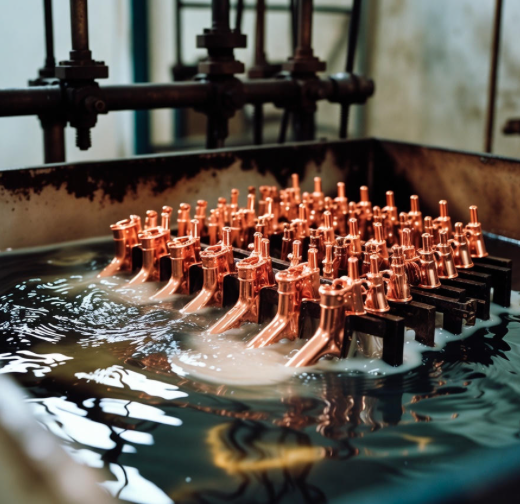
Industry Applications: Copper plating serves foundational roles in electronics manufacturing, decorative finishing systems, and printed circuit board fabrication where conductivity and leveling properties enable subsequent coating processes.
Industries
Copper plating shows up everywhere as a base layer or functional coating. PCB manufacturers use it for through-hole plating and circuit traces (the entire electronics industry runs on copper-plated boards). Decorative finishing shops plate copper under nickel-chrome systems for automotive, plumbing fixtures, and hardware. Electroforming uses thick copper to make molds, dies, and specialized parts. Even jewelry uses copper as a base layer before precious metals.
PCB manufacturing relies entirely on copper plating for creating circuit traces and through-hole connections. The copper deposits need excellent adhesion, uniform thickness distribution, and ductility to survive thermal cycling. Every electronic device has copper-plated circuit boards inside.
Automotive decorative chrome systems start with copper plating for leveling and smoothing. The copper hides surface imperfections from stamping or casting, creating mirror-smooth base for nickel and chrome layers. Bumpers, trim pieces, wheels all use this copper-nickel-chrome stack.
Electroforming builds thick copper deposits (5 to 50 mils) to create actual structural parts, molds, and tooling. Microwave waveguides, printing cylinders, and specialized tooling get electroformed in copper for precise dimensional control and excellent conductivity.
Properties
Copper's properties make it perfect for base layer work. Electrical conductivity is outstanding (98% IACS, only silver's better). Thermal conductivity is equally excellent for heat dissipation. Hardness is low to moderate (50 to 120 HV depending on plating conditions and brighteners), so it levels and conforms easily. It's ductile and bendable, which matters for flex circuits and electroformed parts. The killer weakness is corrosion, copper oxidizes and tarnishes readily, so you almost never leave it exposed.
Physical
Hardness: 50 to 120 HV (soft to moderate, depending on brighteners)
Thickness range: 30 microinches to 50+ mils depending on application
Wear resistance: Poor (soft metal, not suitable for wear applications)
Chemical
Corrosion resistance: Poor (oxidizes and tarnishes readily in air)
Chemical inertness: Low (reactive in oxidizing environments)
Electrical & Thermal
Conductivity: Excellent electrical conductivity (98% IACS, second only to silver)
High-temp performance: Oxidizes above 400°F, not suitable for high-temp service
Appearance
Color: Reddish-orange to pink (bright copper with additives)
Brightness: High reflectivity when fresh (tarnishes to dull brown)
Finish options: Bright, semi-bright, matte
Safety and Hazards
Copper plating is relatively safe compared to chrome or cyanide gold. Acid copper baths need fume extraction (sulfuric acid vapors) and standard PPE (gloves, goggles). The old cyanide copper baths are hazardous and being replaced by acid systems wherever possible. Wastewater treatment is required (copper discharge limits are strict), but copper recovery isn't usually economical on small scale. Main hazard is chemical burns from the acidic bath and potential copper dust exposure during maintenance.
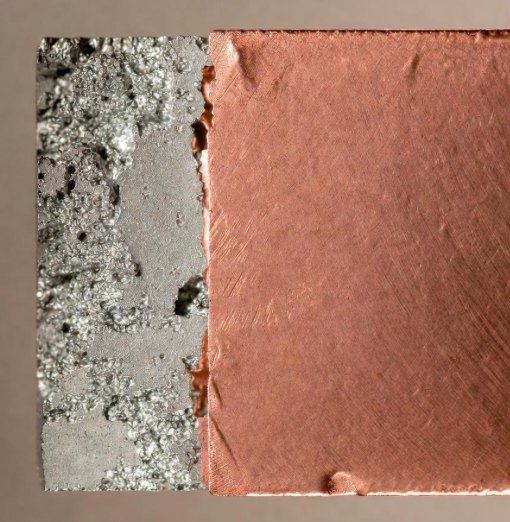
Long-Term Performance: Copper plating as a base layer delivers decades of reliable performance in decorative chrome systems and maintains excellent conductivity indefinitely in sealed PCB applications protected from oxidation.
Frequently Asked Questions (FAQ)
Why use copper instead of going straight to nickel?
Copper levels better and fills surface imperfections that nickel won't touch. It's also way cheaper for building thickness. The standard decorative system (copper for leveling, nickel for corrosion protection, chrome for appearance) developed because each metal does something the others can't. Skipping copper means your final finish shows every pit and scratch.
Can I leave copper plating exposed without a topcoat?
Only if you like brown tarnished surfaces. Copper oxidizes in air forming first a pink oxide, then brown, eventually green patina. For architectural applications (roof flashing, decorative panels), that patina's actually desired. For most applications, you need nickel, chrome, or clear coat over copper to prevent tarnishing.
What's the difference between acid copper and cyanide copper?
Acid copper (copper sulfate-based) is faster, cheaper, safer, and what most shops use now. Cyanide copper baths give slightly better adhesion on difficult substrates and have better throwing power, but they're toxic and being phased out. Unless you've got a specific reason (like plating onto zinc), acid copper's the modern standard.
How thick can you plate copper before it becomes a problem?
For decorative applications, copper stays under 2 mils typically (more than that and you're wasting material and time). Electroforming goes way thicker (5 to 50 mils or more), but that's a specialized process with stress management and controlled plating rates. Thick copper can develop internal stress and adhesion issues if you rush it.
Is copper plating suitable for outdoor applications?
Not by itself. Exposed copper corrodes quickly outdoors (green patina forms from atmospheric exposure). You need protective topcoats (nickel, chrome, clear organic coatings) for outdoor service. Exception is architectural copper where the patina's desired for aesthetic reasons. For functional outdoor applications, always protect copper with something more corrosion-resistant.
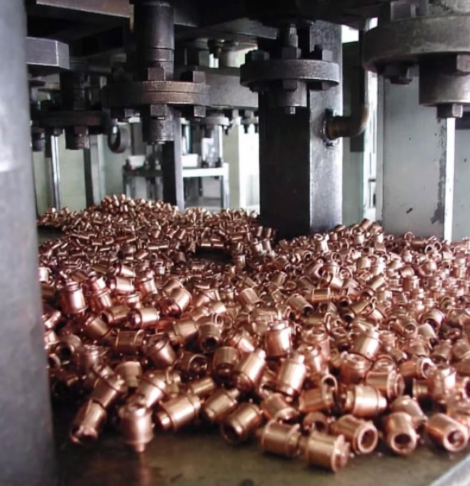
Environmental & Safety: Copper plating operations require standard acidic chemistry handling and wastewater treatment for copper discharge compliance, with modern acid-based processes replacing legacy cyanide systems for improved worker safety and environmental protection.
Conclusion
Copper plating is unglamorous but essential. It levels surfaces, provides conductivity, and creates smooth bases that make decorative finishes possible. Every decorative chrome part and circuit board depends on copper's cheap effectiveness doing foundation work nobody notices.
The transition from cyanide to acid copper baths improves safety while maintaining performance. Copper remains the standard base layer because it works reliably at minimal cost. Well-understood process control and universal shop availability make copper the workhorse coating enabling premium finishes worldwide.
Next Steps
Specify copper thickness based on application (strike layer 30-100 microinches, leveling 500-1500 microinches). Choose acid copper chemistry for standard work. Ensure proper surface preparation and verify nickel topcoat compatibility. Work with qualified plating shops having process controls and environmental compliance.
Next Steps
Ready to move forward with your electroplating project? Explore our detailed learning resources to deepen your understanding of coating processes and specifications. Use our interactive map to discover qualified suppliers in your area, or connect directly with our electroplating expert for personalized guidance on your specific application requirements.