
Electroplating Coatings.
Electroplating coatings deposit metal layers onto surfaces to enhance appearance, corrosion resistance, wear properties, electrical conductivity, and more. From precious metals to functional alloys, each coating offers unique benefits for diverse industrial applications. From gold, to chrome, to copper and tin, electroplating coatings make the modern world possible.
Cadmium
Common Metals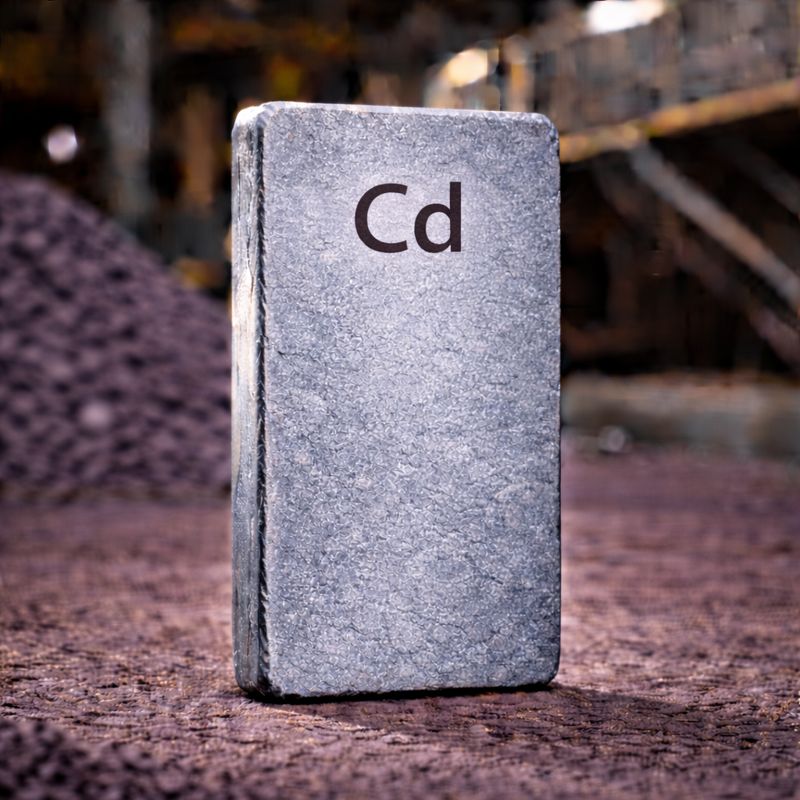
Legacy Aerospace Coating: Cadmium electrodeposit showing characteristic silvery-white appearance providing superior corrosion resistance and lubricity for aircraft fasteners and military applications.
Summary
Cadmium plating was aerospace and military corrosion protection king for decades. You're depositing cadmium onto steel for sacrificial corrosion protection similar to zinc but with superior performance in marine and salt spray environments. It also provides excellent lubricity for threaded fasteners preventing galling during assembly and disassembly. Here's the problem: cadmium is extremely toxic and carcinogenic. Environmental regulations (EPA, REACH in Europe) severely restrict or ban cadmium use. Modern specifications increasingly prohibit it. Industry is transitioning to zinc-nickel, aluminum-based coatings, or other alternatives wherever possible. Cadmium persists only in legacy military and aerospace applications where no approved alternative exists and changing specifications would require expensive requalification of entire weapon systems or aircraft. If you're designing new equipment, cadmium is off the table. If maintaining legacy systems, cadmium shops are disappearing and costs are climbing.
Benefits
Historically, cadmium offered unmatched benefits for military and aerospace fasteners. Superior corrosion resistance in marine and salt spray environments exceeded zinc by significant margins. Excellent lubricity reduced installation torque and prevented galling on threaded fasteners (critical for titanium-to-cadmium interfaces on aircraft). Lower galvanic potential difference with aluminum made it safer than zinc on aluminum structures. Sacrificial protection worked like zinc. Good solderability. These properties made cadmium the aerospace standard. But toxicity and environmental regulations killed it. All these benefits mean nothing if you can't legally process or dispose of it. Alternatives now match or exceed cadmium's performance without killing platers or contaminating groundwater.
Thicknesses
Cadmium thickness specifications mirror zinc plating ranges. Military specs (QQ-P-416, now obsolete but referenced in legacy drawings) define Type I (5 micrometers), Type II (8 micrometers), Type III (12 micrometers). Aerospace applications typically specify 8 to 12 micrometers (0.3 to 0.5 mils) balancing corrosion protection with coating brittleness. Thicker deposits (over 15 micrometers) become prone to cracking. Plating rate is moderate (similar to zinc). The real issue isn't thickness control or plating capability, it's finding shops willing to handle toxic waste streams and accept liability for environmental compliance. Many former cadmium shops closed or converted to zinc-nickel to avoid regulatory burden.
Historical Thicknesses
Micrometers: 5 to 15 μm (0.005 to 0.015 mm)
Mils: 0.2 to 0.6 mil (0.0002 to 0.0006 Inch)
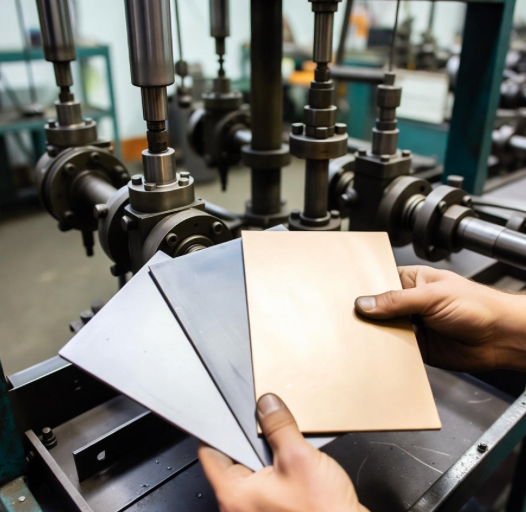
Environmental Replacements: Modern cadmium alternatives providing equivalent or superior corrosion protection without toxic waste streams, regulatory compliance nightmares, or long-term environmental liability.
Coating Alternatives
Replacing cadmium drives massive aerospace and military research efforts. Zinc-nickel alloy (12 to 15% nickel) is the leading replacement providing comparable or better corrosion resistance without toxicity. Aluminum-based coatings (IVD aluminum, zinc-aluminum) offer galvanic compatibility with aluminum structures. Ion vapor deposition (IVD) aluminum provides thin uniform coating for precision fasteners. HVOF thermal spray aluminum works for larger components. Each alternative requires extensive qualification testing matching decades of cadmium field experience. The transition is ongoing but irreversible. New designs specify alternatives. Legacy systems stuck with cadmium face rising costs and shrinking supplier base until requalification completes or equipment retires.
- Primary Replacement: Zinc-Nickel
Zinc-nickel alloy (12 to 15% nickel) is the aerospace industry's approved cadmium replacement. Corrosion resistance matches or exceeds cadmium. No toxicity or environmental restrictions. Extensive qualification testing demonstrates equivalent performance. SAE AMS 2417 defines zinc-nickel as cadmium alternative for military and commercial aerospace fasteners.
- Aluminum Substrate Alternative: IVD Aluminum
Ion Vapor Deposition (IVD) aluminum provides thin uniform coating for aerospace fasteners on aluminum structures. Better galvanic compatibility than zinc-based coatings. MIL-DTL-83488 defines IVD aluminum coating requirements. Precision coating thickness control suits tight tolerance fasteners where electroplating buildup causes problems.
- Legacy Standard: Zinc
Standard zinc plating provides basic corrosion protection without cadmium's superior marine performance or lubricity. Acceptable for less demanding applications where cadmium's premium properties aren't justified. Chromated zinc (yellow or olive drab) approaches cadmium appearance if specification allows substitution without formal requalification.
Best Practices
Cadmium plating requires extreme safety and environmental controls. Baths use cyanide chemistry (highly toxic) or acid fluoroborate systems. Current density ranges 20 to 40 ASF typical. Temperature runs 60 to 90°F. Worker protection demands respirators, chemical-resistant PPE, and strict hygiene procedures (cadmium is carcinogenic, accumulates in body causing kidney damage and cancer). Wastewater treatment is intensive (cadmium discharge limits are extremely low, EPA monitors closely). Waste disposal costs are high (hazardous waste classification). Post-plate chromate conversion enhances corrosion resistance (hexavalent chromate provides best performance but faces same environmental issues as cadmium itself). Most remaining cadmium shops serve only military and aerospace customers whose contracts justify environmental compliance costs.
Bath Chemistry
Cyanide-based baths (extremely toxic) or acid fluoroborate systems. Cadmium concentration 20 to 40 g/L. pH varies by chemistry. Temperature 60 to 90°F. Current density 20 to 40 ASF. Bath maintenance critical for consistent deposits. Extreme ventilation and worker protection mandatory.
Surface Preparation
Standard cleaning (alkaline degrease, acid pickle). Surface must be oxide-free. High-strength steels require careful hydrogen embrittlement controls. Preparation similar to zinc but worker protection more stringent due to cadmium toxicity throughout process.
Plating Steps
Clean, activate, cadmium plate to specification thickness, rinse (multiple rinse tanks minimize cadmium carryover), chromate conversion treatment, final rinse, dry, hydrogen embrittlement relief baking if required. All rinse water requires treatment before discharge.
Quality Controls
Thickness measurement (XRF, magnetic gauge). Salt spray testing (minimum 200 hours typical for Type II). Adhesion testing. Hydrogen embrittlement testing for high-strength steels. Documentation intensive for aerospace traceability. Environmental compliance testing of waste streams mandatory.
Specifications
Military cadmium specifications are obsolete but remain referenced in legacy drawings. QQ-P-416 (Federal Specification for Plating, Cadmium) was the primary standard but CANCELED in 2007. AMS 2400 (Aerospace Material Specification for Cadmium Plating) still exists for legacy aerospace applications where no approved alternative qualified. ASTM B766 covers cadmium for commercial applications but sees minimal use due to environmental restrictions. Most modern specifications explicitly prohibit cadmium requiring substitution with approved alternatives. When cadmium appears on old drawings, procurement requires engineering change approval substituting zinc-nickel or other compliant coatings. Only legacy military systems maintain cadmium specifications and those face active replacement programs.
Historical federal specification for cadmium plating on steel. Defined Type I (5 μm), Type II (8 μm), Type III (12 μm). Classes 1, 2, 3 specified chromate finishes. Cancelled due to environmental regulations but remains referenced in legacy military and aerospace drawings requiring substitution approval.
SAE Aerospace Material Specification for cadmium plating. Remains active only for legacy aircraft and weapon systems where requalification costs prevent alternative adoption. New aerospace designs prohibited from specifying cadmium. Existing applications face active replacement programs transitioning to zinc-nickel or IVD aluminum.
Standard specification for electrodeposited coatings of cadmium. Technically active but virtually unused commercially due to environmental restrictions. Exists primarily as reference for historical specifications. Modern commercial applications prohibited from using cadmium by customer environmental compliance requirements and regulatory restrictions.
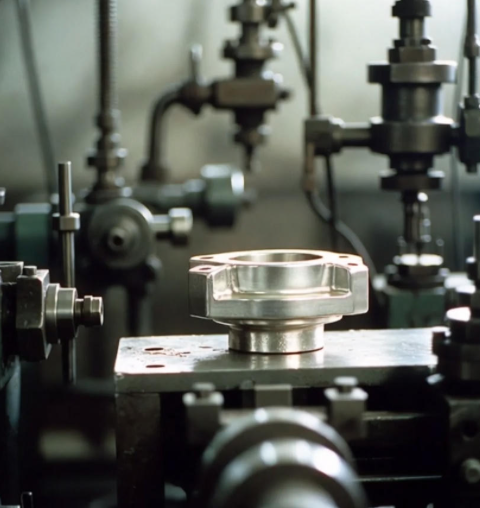
Regulatory Cost Burden: Cadmium plating pricing reflects environmental compliance overhead, hazardous waste disposal, liability insurance, and shrinking supplier base rather than base metal material costs.
Price
Cadmium plating costs are astronomical compared to zinc due to environmental compliance burden. Material cost (cadmium metal) is moderate but irrelevant compared to regulatory overhead. Wastewater treatment, hazardous waste disposal, environmental permits, liability insurance, worker health monitoring, and compliance documentation drive costs sky-high. Remaining shops charge premium pricing (2 to 5 times zinc pricing) and require minimum quantities justifying setup. Small lot prototyping is nearly impossible (most shops refuse). Lead times are long as few suppliers remain. Insurance and liability concerns cause many shops to exit cadmium entirely. For legacy military contracts, government may reimburse compliance costs. Commercial applications can't justify expense making alternatives economically mandatory even before regulations force transition.
Part Materials (Substrates)
Cadmium historically plated onto same ferrous substrates as zinc. Carbon steel and alloy steel fasteners dominated aerospace and military applications. High-strength steel fasteners (Grade 8, aircraft quality) required hydrogen embrittlement baking after plating. The real difference was superior galvanic compatibility with aluminum compared to zinc making cadmium preferred for steel fasteners on aluminum airframes. This galvanic advantage drove aerospace adoption but alternatives now match performance. Substrate considerations are moot point since cadmium use is restricted regardless of material compatibility. Historical knowledge remains relevant only for maintaining legacy systems until requalification completes transition to approved alternatives.
Aerospace alloy steel fasteners (4130, 4340, high-strength grades) were primary cadmium application. Superior corrosion protection and lubricity compared to zinc justified premium coating cost for aircraft safety-critical fasteners. Now replaced with zinc-nickel or IVD aluminum as cadmium prohibition forces transition.
Military hardware and general aerospace fasteners used carbon steel with cadmium plating for corrosion protection in marine and coastal environments. Galvanic compatibility with aluminum structures made it safer than zinc on aluminum airframes. Environmental regulations ended carbon steel cadmium plating for new designs.
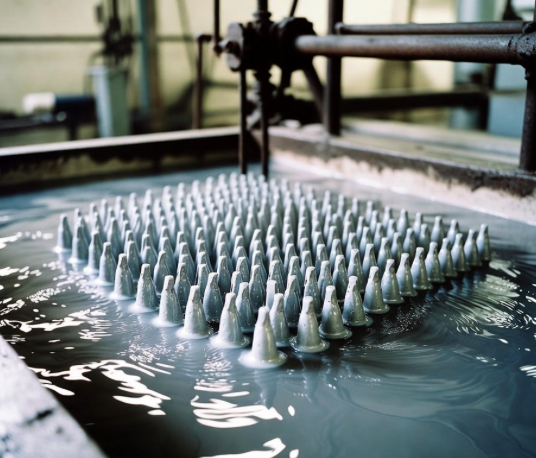
Restricted Legacy Use: Cadmium plating persisting only in legacy military aviation and naval applications where requalification costs prevent immediate transition to environmentally compliant alternatives.
Industries
Cadmium plating historically dominated military and aerospace fastener applications. Aircraft manufacturers used cadmium extensively for structural fasteners, landing gear components, and engine mounts (corrosion resistance plus galvanic compatibility with aluminum). Naval vessels specified cadmium for marine environment corrosion protection. Military ground vehicles and weapons systems used cadmium fasteners for reliability in harsh environments. All these applications face active replacement programs. Commercial aviation (Boeing, Airbus) prohibited cadmium in new designs decades ago. Military specifications increasingly restrict cadmium requiring alternatives. Only legacy weapon systems and aircraft maintain cadmium specifications until scheduled replacement or modification programs complete transition. New military procurements specify zinc-nickel or other compliant coatings eliminating cadmium from supply chain.
Older military aircraft (F-15, F-16, C-130, legacy platforms) retain cadmium-plated fasteners in original specifications. Maintenance depots must source cadmium-plated replacement parts until aircraft retire or undergo modification programs substituting approved alternatives. New military aircraft designs prohibited from specifying cadmium.
Naval ships and submarines specified cadmium for fasteners and hardware requiring maximum marine corrosion resistance. Active replacement programs transition existing vessels to zinc-nickel during overhauls. New construction uses compliant alternatives exclusively. Legacy submarines with decades remaining service life maintain cadmium specifications until decommissioning.
Properties
Cadmium properties explain why it dominated aerospace despite toxicity. Corrosion resistance in marine and salt spray environments exceeded zinc significantly (300+ hours salt spray for Type II cadmium versus 96 hours for equivalent zinc). Excellent lubricity reduced galling on threaded fasteners (coefficient of friction lower than zinc). Better galvanic compatibility with aluminum than zinc (smaller potential difference reduced galvanic corrosion). Hardness is low (40 to 70 HV, softer than zinc). Melting point 610°F limits high-temperature service but adequate for typical aerospace environments. Solderability is excellent. Color is silvery-white to dull gray. Chromate conversion coatings add yellow, olive drab, or clear iridescent appearance. All these properties mattered historically but can't justify continued use given environmental and health consequences.
Physical
Hardness: 40 to 70 HV (very soft, excellent lubricity)
Thickness range: 5 to 15 micrometers historical
Wear resistance: Poor (soft coating, sacrificial protection)
Chemical
Corrosion resistance: Excellent (superior to zinc in marine environments)
Chemical inertness: Low (sacrificial corrosion protection mechanism)
Electrical & Thermal
Conductivity: Good electrical conductivity
High-temp performance: Limited (melts at 610°F)
Appearance
Color: Silvery-white to dull gray metallic
Brightness: Dull metallic (chromate adds color)
Finish: Chromate creates yellow, olive drab, or clear iridescent
EXTREME TOXICITY WARNING
Cadmium is EXTREMELY TOXIC and CARCINOGENIC:
- Carcinogenic (lung cancer, prostate cancer)
- Kidney damage (accumulates causing permanent renal failure)
- Bone disease (osteomalacia, skeletal damage)
- Reproductive toxicity
- Bioaccumulative (builds up in body over time)
- Persistent environmental contaminant
Safety and Hazards
Cadmium safety requires extreme industrial hygiene controls. OSHA permissible exposure limit is 5 micrograms per cubic meter (extremely low). Inhalation of cadmium fumes or dust causes severe lung damage and cancer. Skin contact contributes to body burden accumulation. Workers require respiratory protection, chemical-resistant PPE, strict hygiene procedures (no eating/drinking in work areas, shower before leaving facility). Medical surveillance monitors blood and urine cadmium levels detecting overexposure. Wastewater treatment must reduce cadmium to parts-per-billion before discharge. Solid waste (sludge, filters, contaminated materials) classified as hazardous requiring special disposal. EPA and state environmental agencies strictly monitor cadmium discharges. Liability for groundwater contamination persists decades. These factors explain industry exodus from cadmium processing despite legacy demand. The metal works great technically but kills platers and contaminates communities making it ethically and economically untenable regardless of performance benefits.
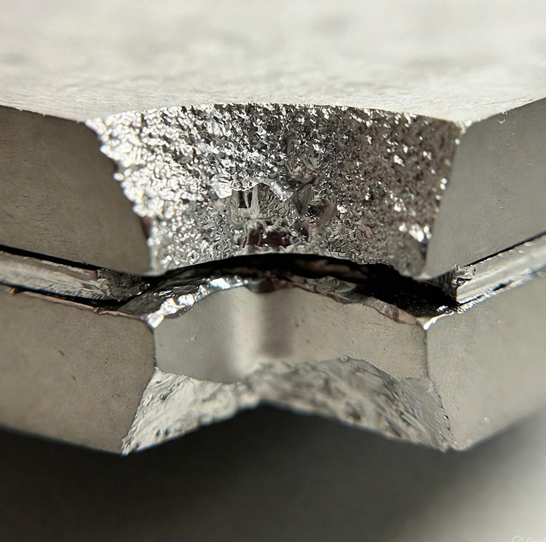
Transition Challenges: Aerospace industry managing cadmium phase-out through extensive alternative qualification testing while maintaining legacy aircraft fleet until replacement programs complete.
Frequently Asked Questions (FAQ)
Why was cadmium used if it's so toxic?
Toxicity wasn't fully understood during initial aerospace adoption (1940s-1960s). By the time health effects were documented, cadmium was embedded in thousands of military specifications and aircraft designs. Superior performance (corrosion resistance, lubricity, galvanic compatibility) seemed to justify risks before environmental movement and worker health regulations created comprehensive controls. Modern understanding of bioaccumulation and cancer risks makes continued use indefensible.
Can I substitute zinc for cadmium on old drawings?
Not without engineering approval. Aerospace and military specifications require formal substitution authorization. Zinc-nickel is typical approved alternative providing equivalent or better performance. Simply substituting standard zinc without approval violates specifications and creates liability if failures occur. Contact original equipment manufacturer or engineering authority for substitution approval documentation before making changes.
Where can I get cadmium plating done?
Very few shops remain. Military and aerospace specialty platers with government contracts still operate cadmium lines for legacy support. Expect high minimums, long lead times, and premium pricing. Many former cadmium shops converted to zinc-nickel eliminating environmental liability. For commercial applications, substitution with approved alternatives is only practical option. Military procurement offices can provide qualified supplier lists for government contract work.
What's the best cadmium replacement for new designs?
Zinc-nickel alloy (12 to 15% nickel) is aerospace industry standard replacement. SAE AMS 2417 defines zinc-nickel as cadmium alternative. Corrosion resistance matches or exceeds cadmium. IVD aluminum works for aluminum structure fasteners. For general industrial applications, standard zinc with chromate provides adequate protection at lowest cost. Match replacement to actual environment severity rather than blindly upgrading to premium coatings.
Is cadmium completely banned?
Not completely but heavily restricted. EPA regulates industrial discharge. REACH in Europe severely limits cadmium in consumer products. Military and aerospace legacy applications retain exemptions but face pressure for substitution. Commercial applications effectively banned by customer environmental requirements and insurance liability concerns. Trend is irreversible toward complete phase-out as legacy systems retire and requalification programs complete transition to alternatives.
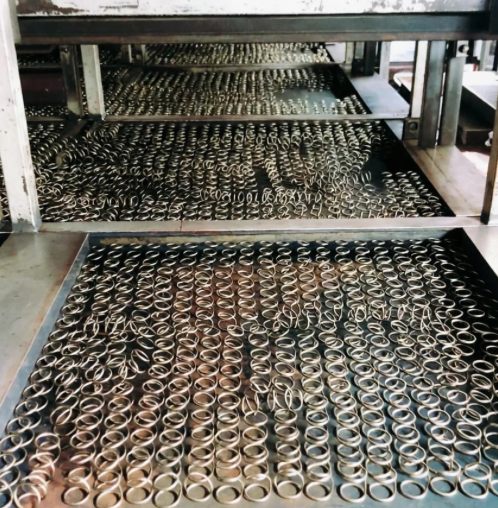
Industry Transition: Cadmium plating's environmental and health costs finally outweighing performance benefits driving irreversible industry transition to compliant alternatives eliminating toxic legacy from supply chains.
Conclusion
Cadmium plating is industrial coating history's cautionary tale where superior performance couldn't justify extreme toxicity and environmental damage. Corrosion resistance and lubricity made it aerospace standard for decades despite carcinogenicity and bioaccumulation risks. Modern understanding makes continued use ethically indefensible regardless of technical benefits.
Zinc-nickel, IVD aluminum, and other alternatives now match or exceed cadmium performance without toxic legacy. For new designs, cadmium is completely prohibited. Legacy systems maintain specifications only until requalification or retirement. The industry transition is irreversible and necessary.
Next Steps
Ready to move forward with your electroplating project? Explore our detailed learning resources to deepen your understanding of coating processes and specifications. Use our interactive map to discover qualified suppliers in your area, or connect directly with our electroplating expert for personalized guidance on your specific application requirements.