
Electroplating Benefits.
Electroplating benefits include improved corrosion protection, enhanced wear resistance, better appearance, increased hardness, and dependable electrical performance. These advantages help manufacturers select the right coating and partner with reliable electroplating suppliers for durable, cost-effective surface finishes.
Mechanical and Wear Performance
Wear Resistance
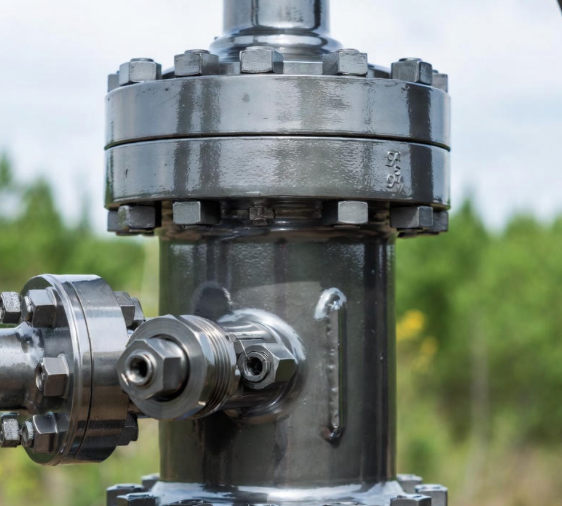
Last Longer: Coatings that resist grinding away under friction and abrasion.
Summary
Wear resistance keeps surfaces from grinding away under repeated sliding, rubbing, or abrading contact. Bare metal wears fast under friction. Hard coatings last way longer. Think of it like tire tread. Soft rubber wears out quick. Hard compounds last 50,000 miles. Hard chrome provides legendary wear resistance for hydraulic cylinders and molds. Electroless nickel protects from moderate wear at lower cost. Tungsten carbide composite coatings handle extreme abrasion. Wear mechanisms include adhesive, abrasive, erosive, and corrosive processes. Match coating hardness to specific wear conditions.
Technical Details
Wear resistance depends primarily on surface hardness though other factors matter significantly. Archard's wear equation shows wear inversely proportional to hardness. Adhesive wear occurs when surfaces stick together then tear away material. Abrasive wear happens when hard particles cut grooves in softer surfaces. Erosive wear results from particle impacts. Corrosive wear combines chemical attack with mechanical removal. Testing uses pin-on-disk, block-on-ring, or Taber abraser methods measuring volume loss. Load, speed, environment, and counterface material all affect wear rates dramatically. Lubrication reduces wear but some applications operate dry.
Wear Mechanisms
Different wear types need different coating strategies. Adhesive wear needs hard smooth surfaces. Abrasive wear requires maximum hardness. Erosive wear benefits from toughness absorbing particle impacts. Identify actual wear mechanism before selecting coating.
Hardness Rules
Wear resistance increases with hardness dramatically. Chrome at 900 HV outlasts steel 10x. Electroless nickel at 500 HV doubles steel wear life. Heat-treating electroless nickel to 1000 HV rivals chrome performance. Specify minimum hardness based on expected service life.
Environmental Effects
Lubrication reduces wear orders of magnitude. Abrasive contamination accelerates wear catastrophically. Temperature affects hardness and lubrication effectiveness. Corrosion combines with mechanical wear synergistically. Test under actual service conditions including contamination and temperature.
Coatings
Hard chrome delivers maximum wear resistance for severe applications like hydraulic rods and printing rolls. Electroless nickel-phosphorus provides excellent wear protection at moderate cost for pumps and valves. Electroless nickel-boron offers even better wear resistance than standard nickel. Tungsten carbide composite coatings handle extreme abrasion in slurry pumps and drilling tools. Chrome carbide composite systems combine chrome hardness with carbide particles. Zinc-nickel protects fasteners from galling wear. Choose coating balancing wear severity, operating environment, and cost constraints against required service life.
| Coating | Performance | Cost | Wear Life |
|---|---|---|---|
| Hard Chrome | 10x steel baseline | ||
| Nickel-Phosphorus (Heat Treated) | 5-8x steel baseline | ||
| Nickel-Boron | 8-12x steel baseline |
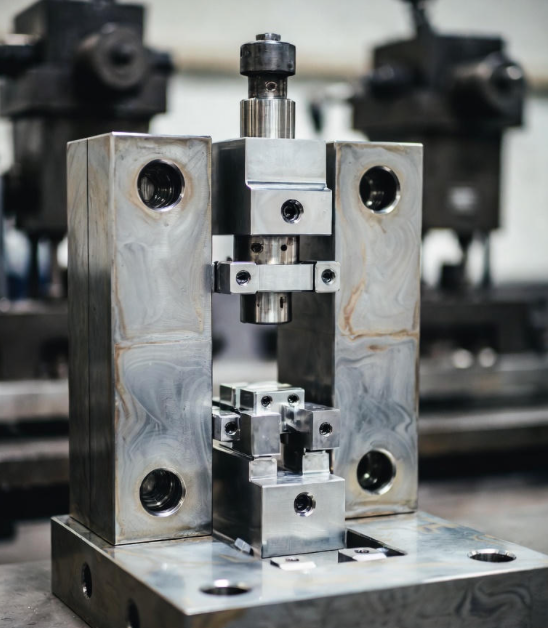
Friction Fighters: Industries where parts rubbing together wear out fast costing fortunes.
Industries
Manufacturing uses wear-resistant coatings on molds, dies, and tooling extending service life dramatically. Oil and gas applies hard coatings to drilling components and valves handling abrasive fluids and solids. Mining protects equipment from rock and mineral abrasion. Hydraulics depends on chrome-plated rods lasting millions of cycles without leaking. Automotive coats engine components and transmission parts reducing friction wear. Aerospace uses wear-resistant surfaces on landing gear and actuators. Printing industry relies on chrome rolls surviving years of continuous operation. These industries calculate coating ROI based on eliminated downtime and replacement costs versus wear failures.
Pro Tips
Maximizing wear resistance requires hardness appropriate to wear mechanism, adequate thickness, and realistic testing under service conditions. Identify whether wear is adhesive, abrasive, erosive, or corrosive. Match coating to actual mechanism. Test with real contaminants and loads. Track performance proving coating value. These fundamentals separate coatings lasting years from coatings wearing through prematurely.
Match Hardness to Application
Severe wear needs 700+ HV hardness. Moderate wear tolerates 500 HV. Light duty works with 300 HV. Chrome delivers maximum hardness but costs more. Electroless nickel balances performance and cost. Specify minimum hardness based on expected cycles to failure.
Identify Wear Mechanism
Adhesive wear needs smooth hard surfaces. Abrasive wear requires maximum hardness plus thickness. Erosive wear benefits from toughness. Examine failed parts determining actual mechanism. Don't guess. Microscopic analysis reveals truth guiding coating selection.
Provide Adequate Thickness
Thin coatings wear through fast. Hydraulic rods need 0.001-0.003 inch chrome. Molds benefit from 0.0005-0.001 inch nickel. Balance coating cost against replacement frequency. Thicker deposits cost more upfront but eliminate premature failures and downtime.
Test Under Real Conditions
Lab wear tests don't predict field life accurately. Test with actual contaminants, loads, speeds, and temperatures. Include any abrasive particles present in service. Accelerated testing reveals coating performance faster than production trials but validate correlation.
Calculate True ROI
Compare coating cost against extended service life, eliminated failures, and reduced downtime. Chrome costs triple bare steel but lasts 10x longer saving money overall. Track actual wear rates proving coating value. Calculate replacement cost including downtime not just part price.
Conclusion
Wear-resistant coatings extend equipment life dramatically through superior hardness and proper selection. Hard chrome, electroless nickel, and composite coatings each excel in specific applications. Success requires matching coating to wear mechanism, providing adequate thickness, and validating through realistic testing. When properly applied wear-resistant coatings eliminate premature failures, reduce downtime, and lower total ownership costs. That ROI justifies coating investment versus accepting rapid wear destroying unprotected components constantly.
Next Steps
Ready to fight wear? Start by examining failed parts identifying wear mechanism through microscopic analysis. Document loads, speeds, environment, and contaminants. Measure current wear rates and replacement frequency. Contact platers offering wear-resistant coatings. Request wear test data matching your application. Test samples under actual service conditions. Specify minimum hardness and thickness. Calculate ROI comparing coating cost versus eliminated replacements and downtime. Track field performance proving coating delivers promised wear life.