
Electroplating Benefits.
Electroplating benefits include improved corrosion protection, enhanced wear resistance, better appearance, increased hardness, and dependable electrical performance. These advantages help manufacturers select the right coating and partner with reliable electroplating suppliers for durable, cost-effective surface finishes.
Mechanical and Wear Performance
Lubricity Low Friction
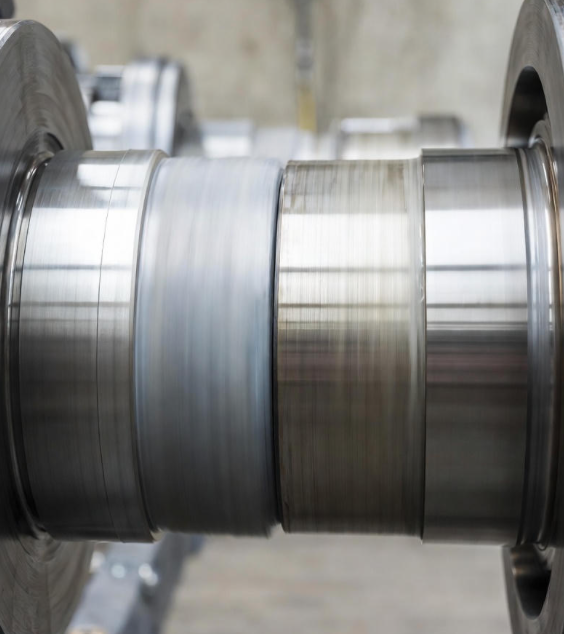
Slippery When Dry: Coatings that slide smooth reducing friction heat and wear.
Summary
Low friction coatings make surfaces slide past each other easier than bare metal reducing wear, heat, and power consumption. Think of it like ice skating versus walking on concrete. Less friction means less energy wasted as heat and reduced wear on both surfaces. Silver provides excellent lubricity for electrical contacts. Electroless nickel-phosphorus with PTFE particles creates super slippery surfaces. Some coatings self-lubricate through soft metal shearing. Others embed solid lubricants releasing during sliding. Reducing friction extends equipment life, improves efficiency, and prevents galling.
Technical Details
Friction coefficient measures sliding resistance between surfaces. Lower numbers mean slicker surfaces. Bare steel runs 0.4 to 0.6 coefficient. Silver drops this to 0.15. PTFE composite coatings hit 0.05 to 0.10. Lubricity comes from soft metal transfer creating lubricating film, solid lubricant particles shearing easily, or low surface energy preventing adhesion. Testing uses pin-on-disk or reciprocating wear machines measuring friction force. Temperature affects lubricity dramatically. Some coatings self-lubricate better at elevated temperatures. Others break down losing effectiveness.
Friction Mechanisms
Soft metals like silver transfer creating lubricating film between surfaces. Composite coatings embed PTFE or graphite particles providing solid lubrication. Low surface energy materials prevent adhesion reducing friction. Each mechanism works best in specific conditions and applications.
Temperature Effects
Temperature changes friction dramatically. Some lubricants evaporate at high temperature losing effectiveness. Others work better hot than cold. PTFE performs well to 260C. Silver excels at elevated temperatures. Match coating to operating temperature range.
Load Capacity
Soft lubricating coatings wear quickly under heavy loads. Hard coatings with embedded lubricants handle higher contact pressures. Balance friction reduction against wear resistance and load capacity. Lightly loaded applications tolerate soft coatings. Heavy loads need harder matrices.
Coatings
Silver delivers outstanding lubricity for electrical contacts and sliding surfaces operating at elevated temperatures. Electroless nickel with PTFE particles provides extremely low friction for mechanical components and molds. Tin-lead alloys self-lubricate through soft metal transfer perfect for bearings and bushings. Gold offers excellent low friction for precision contacts and instruments. Composite nickel-phosphorus with graphite handles higher loads than PTFE versions. Pick based on load, temperature, environment, and whether you need electrical conductivity along with lubricity.
| Coating | Performance | Cost | Friction Coefficient |
|---|---|---|---|
| Silver | 0.15 self-lubricating | ||
| Nickel-Phosphorus + PTFE | 0.05-0.10 ultra low | ||
| Tin-Lead | 0.15-0.20 soft metal |
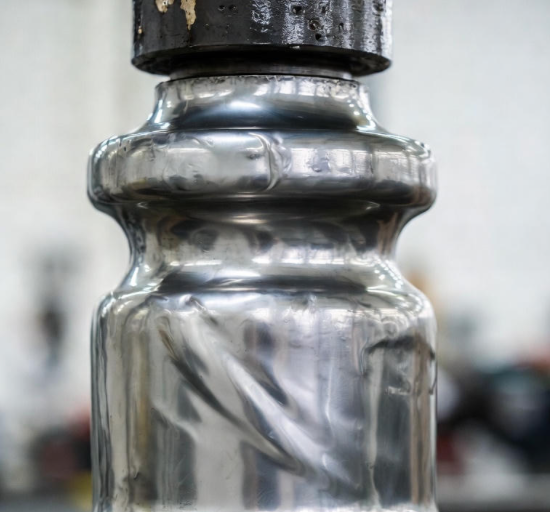
Sliding Surfaces: Industries where friction creates heat, wear, and wasted energy.
Industries
Aerospace uses low-friction coatings on bearings, actuators, and control surfaces where reliability depends on smooth operation. Automotive applies lubricous coatings to engine components, transmission parts, and fasteners reducing friction losses. Electronics needs low-friction contacts and connectors ensuring reliable signal transmission without wear. Manufacturing employs slippery coatings on molds, tooling, and conveyors improving efficiency and part release. Medical devices use low-friction surfaces on instruments and implants preventing tissue damage. Oil and gas lubricates threaded connections and seals operating without external lubrication. These industries recognize friction wastes energy and causes premature wear.
Pro Tips
Achieving reliable low friction requires matching coating to load, speed, temperature, and environment. Soft lubricating coatings wear fast under heavy loads. Composite coatings balance lubricity with load capacity. Testing under actual conditions reveals real-world performance versus lab fantasies. Temperature dramatically affects friction coefficient. Environmental contamination can eliminate lubricity. These factors determine success or premature failure.
Match Load to Coating
Soft lubricating coatings wear quickly under heavy contact pressure. PTFE composites handle light loads beautifully. Harder matrices with embedded lubricants survive higher pressures. Silver works well at moderate loads and elevated temperatures. Specify coating matching actual contact stresses not wishful thinking about light loading.
Test at Operating Temperature
Friction changes dramatically with temperature. Some lubricants work better hot. Others degrade above specific temperatures. PTFE excels to 260C then fails rapidly. Silver improves at elevated temperatures. Test coatings at actual service temperature predicting real performance not room-temperature lab results.
Consider Environment
Contamination destroys lubricity. Abrasive particles wear lubricating films away. Corrosive chemicals attack coatings. Specify coatings surviving actual environment not clean lab conditions. Sealed systems protect lubricous surfaces. Exposed applications need environmental resistance plus low friction.
Plan for Break-In
Composite coatings develop full lubricity after break-in period wearing high spots and transferring lubricant. Initial friction runs higher than steady-state values. Run parts conservatively during break-in preventing damage before lubrication stabilizes. Document break-in procedures for production and field use.
Measure Real Performance
Track power consumption, temperature, and wear rates proving friction reduction value. Low-friction coatings should reduce energy use and extend part life measurably. Document savings justifying coating investment versus bare metal baseline. Calculate ROI based on reduced energy costs and replacement frequency.
Conclusion
Low-friction coatings reduce energy waste, prevent wear, and enable operation without external lubrication. Silver, PTFE composites, and soft metals each excel in specific applications. Success requires matching coating to load, temperature, and environment through realistic testing. When properly applied lubricous coatings improve efficiency, extend equipment life, and prevent galling failures. That value justifies investment in specialized coatings versus accepting friction losses and premature wear from bare metal surfaces.
Next Steps
Ready to reduce friction through coatings? Document contact pressure, sliding speed, and operating temperature. Measure baseline friction and wear with current surfaces. Contact platers offering low-friction coatings. Request friction test data at your service conditions. Test samples under actual loads and temperatures. Calculate energy savings from reduced friction. Specify break-in procedures. Track performance proving coating delivers measurable benefits. Low friction pays through reduced energy consumption and extended part life.