
Electroplating Benefits.
Electroplating benefits include improved corrosion protection, enhanced wear resistance, better appearance, increased hardness, and dependable electrical performance. These advantages help manufacturers select the right coating and partner with reliable electroplating suppliers for durable, cost-effective surface finishes.
Functional Electrical and Thermal
Electrical Insulation
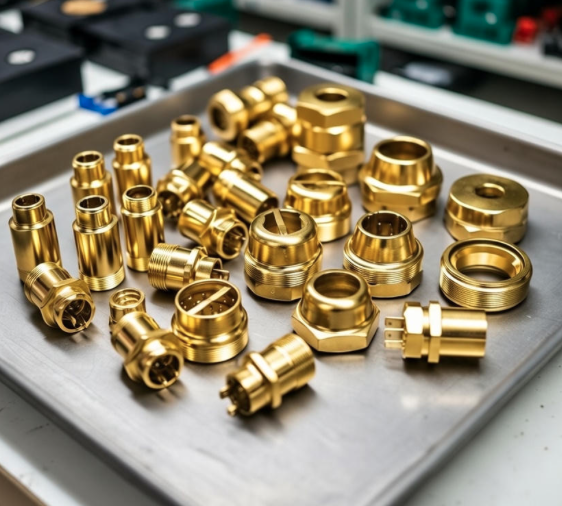
Current Barrier: Prevent unwanted electrical paths through insulating surface treatments.
Summary
Electrical insulation means blocking current flow preventing shorts and unwanted electrical paths. Anodizing aluminum creates hard ceramic oxide layer that's an excellent insulator. Chemical conversion coatings on steel provide thin insulation for specific voltage ranges. Certain organic post-treatments over plating add dielectric properties. You're making metal not conduct when conducting is the problem. Transformers, motor windings, and high-voltage components need insulated metal parts carrying mechanical loads without conducting electricity. The coating becomes electrical barrier allowing mechanical assembly of charged components without creating short circuits. Dielectric strength measured in volts-per-mil determines insulation capability.
Technical Details
Dielectric strength measures voltage a coating withstands before breakdown causing current flow. Anodized aluminum achieves 500-1000 volts per mil. Phosphate coatings provide modest insulation adequate for low voltages. Organic topcoats over metal deliver controlled dielectric properties. Testing requires voltage ramps under specified conditions measuring leakage current and breakdown voltage. Humidity dramatically affects insulation performance because water conducts. Pinholes create localized weak spots causing premature failure. Applications requiring insulation specify minimum thickness, dielectric strength, and testing methods. Critical insulation demands comprehensive porosity testing revealing defects before assembly.
Coating Thickness
Thicker coatings provide higher voltage standoff. Anodize thickness specified for voltage requirement. Thin coatings adequate for low voltage. High voltage power electronics needs substantial insulation thickness preventing breakdown.
Porosity Control
Pinholes create conductive paths through coating negating insulation. Seal anodized coatings closing pores. Inspect for coating defects using voltage testing. Single pinhole can cause short circuit failure.
Environmental Factors
Moisture reduces insulation effectiveness dramatically. Condensation creates conductive surface films. Design assemblies preventing moisture accumulation on insulated surfaces. Test insulation under humid conditions matching service environment.
Coatings
Anodizing creates thick ceramic aluminum oxide layer with excellent dielectric strength perfect for insulating aluminum parts in electrical assemblies. Phosphate coatings on steel provide modest insulation adequate for low-voltage applications. Certain electroless nickel formulations with post-treatments deliver controlled insulation. Powder coating over metal creates robust dielectric barrier for high-voltage applications. Conversion coatings provide thin insulation for specific uses. Your choice depends on substrate material, required voltage standoff, environmental conditions, and mechanical durability needs. High-voltage applications demand thick anodize. Low-voltage work uses thinner economical alternatives successfully.
| Coating | Performance | Cost | Dielectric Strength |
|---|---|---|---|
| Anodized Aluminum | 500-1000 V/mil sealed | ||
| Phosphate Coating | Low voltage applications | ||
| Nickel-Phosphorus (Treated) | Moderate with post-treat |
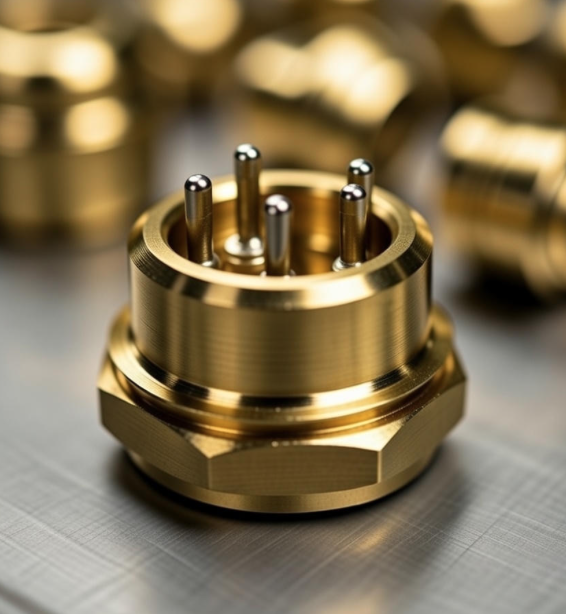
Voltage Isolation: Industries where preventing electrical shorts is critical safety requirement.
Industries
Power electronics requires insulated metal components in transformers and inductors. Electric motor manufacturing uses insulated laminations preventing eddy current losses. Aerospace electrical systems need insulation for safety-critical voltage isolation. Automotive high-voltage battery systems demand insulated mounting hardware. Consumer electronics applies insulation preventing shorts in compact assemblies. Medical devices require biocompatible insulation for patient safety. These industries specify insulation requirements because electrical shorts cause immediate catastrophic failure or gradual performance degradation. Insulation testing becomes safety verification not optional quality check. Proper insulation enables compact high-voltage designs without short circuit risks.
Pro Tips
Achieving reliable electrical insulation requires selecting processes delivering adequate dielectric strength, controlling coating thickness and porosity, and testing under actual voltage and environmental conditions. Specify minimum voltage standoff not just coating type. Seal porous coatings preventing moisture absorption degrading insulation. Inspect for pinholes using high-voltage testing before assembly. Design adequate creepage distances supplementing coating insulation. Consider temperature effects on dielectric properties. Applications requiring insulation justify comprehensive testing validation versus assuming coating provides adequate isolation.
Specify Voltage Requirements
Define maximum operating voltage plus safety factor. Specify minimum dielectric strength in volts-per-mil. Include DC and AC voltage requirements because breakdown mechanisms differ. Peak transient voltages often exceed steady-state levels requiring thicker insulation than obvious.
Control Coating Porosity
Pinholes create conductive paths negating insulation benefits. Seal anodized coatings closing microscopic pores. Test large samples revealing defect rates. Single pinhole ruins insulation locally causing potential short circuit. Quality control prevents shipping defective insulation.
Test Under Operating Conditions
Dry insulation performs better than humid. Elevated temperature reduces dielectric strength. Test samples at maximum expected temperature and humidity. Apply voltage slightly above operating level verifying adequate margin. Accelerated testing predicts long-term reliability.
Design Creepage Distances
Surface contamination creates conductive paths around insulated areas. Maintain adequate spacing between voltage potentials. Coating provides through-thickness insulation. Design geometry prevents surface flashover. Combine coating insulation with proper mechanical spacing.
Document Safety Testing
Insulation failures cause safety hazards requiring documented validation. Maintain test records proving dielectric strength. Conduct periodic production testing verifying ongoing quality. Safety certifications demand comprehensive insulation testing data not just process specifications.
Conclusion
Electrical insulation through surface treatments prevents unwanted current flow enabling safe high-voltage assemblies. Anodized aluminum delivers excellent dielectric strength for many applications. Success requires adequate thickness, porosity control, sealing, and comprehensive voltage testing. Environmental conditions affect insulation performance requiring testing under actual service conditions. When properly specified insulated coatings enable compact electrical designs preventing short circuits and safety hazards. That protection justifies investment in proven insulation processes plus validation testing documenting adequate voltage standoff under operating conditions.
Next Steps
Ready to specify insulating coatings for electrical applications? Start by defining maximum operating voltage plus safety margin. Document environmental conditions including temperature and humidity. Research processes delivering required dielectric strength on your substrate. Contact suppliers with electrical insulation experience and high-voltage testing capabilities. Request samples testing voltage breakdown under operating conditions. Verify coating porosity through inspection and testing. Establish production testing procedures validating insulation integrity. Remember electrical insulation requires comprehensive testing validation not just process specification.