
Electroplating Benefits.
Electroplating benefits include improved corrosion protection, enhanced wear resistance, better appearance, increased hardness, and dependable electrical performance. These advantages help manufacturers select the right coating and partner with reliable electroplating suppliers for durable, cost-effective surface finishes.
Corrosion and Chemical Protection
Oxidation Prevention
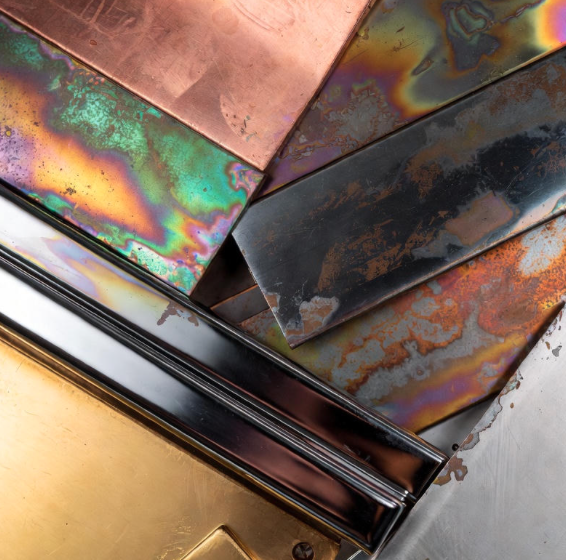
Tarnish Prevention: Stop oxygen from reacting with metal surfaces causing discoloration and degradation.
Summary
Oxidation prevention stops metals from reacting with oxygen forming ugly tarnish or destructive scale. Bare copper turns green. Silver blackens. Steel rusts which is just iron oxide. The coating creates a barrier blocking oxygen access or forms stable oxide that prevents further reaction. Chrome develops thin passive oxide that protects bulk metal. Gold doesn't oxidize at all making it perfect for electrical contacts. Nickel resists oxidation better than copper or silver. High-temperature applications need coatings maintaining protection at elevated temperatures where oxidation accelerates exponentially. Room temperature stability doesn't predict performance at 300C.
Technical Details
Oxidation happens when metals react with atmospheric oxygen forming metal oxides on surfaces. Reaction rates increase exponentially with temperature following Arrhenius relationship. Noble metals like gold resist oxidation completely. Reactive metals like aluminum form stable protective oxides preventing deeper attack. Coatings prevent oxidation through barrier protection or sacrificial oxidation forming stable layers. Chrome creates thin chromium oxide that passivates surface. Nickel resists oxidation up to moderate temperatures. Testing requires elevated temperature exposure measuring weight gain from oxide formation or appearance changes from tarnishing. Applications like electrical contacts demand oxidation-free surfaces maintaining conductivity.
Temperature Effects
Oxidation rate doubles approximately every 10C temperature increase. Room temperature protection doesn't guarantee high-temperature stability. Test at actual operating temperatures including transient spikes during service.
Coating Porosity
Pinholes allow oxygen reaching substrate causing localized oxidation even with resistant coating. Thicker deposits reduce porosity. Multi-layer systems provide better barrier protection than single coatings at same total thickness.
Passive Film Stability
Chrome and aluminum form stable oxides protecting against further oxidation. Film integrity depends on environment chemistry and temperature. Acidic conditions or chlorides can break down passivity causing localized attack.
Coatings
Multiple coatings provide oxidation protection through different mechanisms and temperature ranges. Gold offers perfect oxidation resistance at any temperature but costs limit applications to electrical contacts and critical components. Chrome forms stable passive oxide working to moderate temperatures. Nickel resists oxidation better than copper or iron substrates. Electroless nickel-phosphorus maintains properties at elevated temperatures. Platinum and palladium excel for extreme conditions but rarely justified economically. Your selection depends on operating temperature, required appearance retention, substrate reactivity, and cost constraints. Electrical applications need different solutions than thermal management or decorative uses.
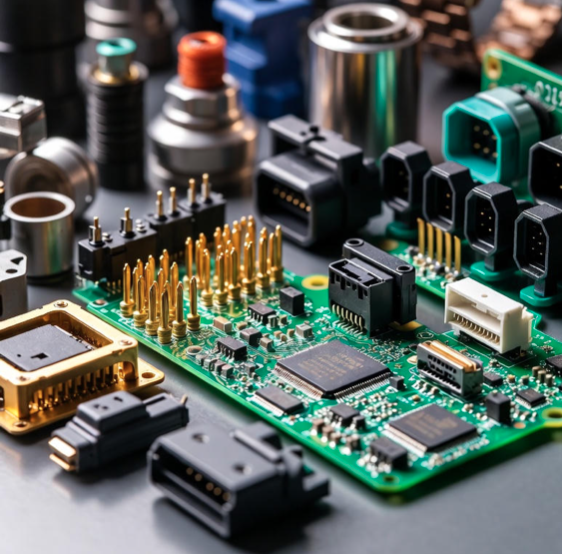
Appearance Critical: Industries where tarnish and discoloration destroy product value immediately.
Industries
Electronics manufacturers need oxidation-free electrical contacts maintaining low resistance connections. Jewelry and watches require tarnish-free finishes for years of shelf life and customer use. Aerospace components operate at elevated temperatures where oxidation accelerates dramatically. Automotive underhood parts face thermal cycling between ambient and engine temperatures. Semiconductor processing equipment demands contamination-free surfaces where oxide particles ruin yields. Precision instruments need stable surfaces that don't generate oxide debris interfering with measurements. These industries understand oxidation prevents proper function or destroys appearance. Prevention through proper coating beats dealing with tarnished products and failed connections.
Pro Tips
Preventing oxidation requires understanding exposure conditions especially temperature profiles during service. Room temperature testing doesn't predict elevated temperature behavior. Accelerated testing at higher temperatures estimates long-term room temperature stability. Coating porosity matters more for oxidation protection than many other applications. Thicker deposits or multi-layer systems reduce defect density allowing oxygen penetration. Post-plating handling affects oxidation resistance because contamination or damage creates sites for preferential attack. Smart specifications match coating properties to actual thermal cycles and environmental exposure.
Test at Operating Temperature
Oxidation accelerates exponentially with temperature. Room temperature stability doesn't guarantee performance at 200C. Run exposure tests at maximum expected temperature including transient spikes. Use thermal cycling matching actual service conditions to reveal interface failures.
Specify Adequate Thickness
Thicker coatings reduce porosity providing better oxidation barriers. Minimum thickness for reliable protection typically exceeds decorative requirements. Budget for appropriate thickness based on service conditions and required lifetime. Multi-layer systems work better than single thick deposits.
Control Post-Plating Handling
Surface damage or contamination after plating creates sites for oxidation initiation. Handle parts carefully using clean gloves. Store in controlled humidity when possible. Package to prevent mechanical damage during shipping. Scratches penetrate coating allowing substrate oxidation.
Consider Topcoat Protection
Clear organic topcoats seal porosity improving oxidation resistance. They add cost but extend coating life significantly. Choose topcoats compatible with operating temperature and environment. Test complete system not just base metallic layer for representative performance data.
Plan for Shelf Life
Oxidation happens during storage not just service. Control humidity and temperature in warehouses. Use desiccants or controlled atmosphere packaging for long-term storage. Specify storage conditions and shelf life limits. Test parts after worst-case storage periods verifying acceptability.
Conclusion
Oxidation prevention protects metals from atmospheric reaction causing tarnish, discoloration, or loss of functionality. Coating selection depends on operating temperature, required appearance retention, and substrate reactivity. Noble metals provide ultimate protection but cost limits applications. Chrome and nickel offer practical solutions for moderate conditions. Success requires adequate thickness, controlled handling, and testing at actual operating temperatures. When properly specified oxidation-resistant coatings maintain appearance and function over product lifetime. That reliability justifies coating investment through avoided failures and sustained performance in oxidizing environments.
Next Steps
Ready to prevent oxidation on your metal components? Start by documenting operating temperature range including transient spikes during use. Define acceptable appearance changes or functional degradation from oxidation. Research coating options proven at your temperatures. Contact suppliers with high-temperature or oxidation-resistant coating experience. Request elevated temperature testing data matching your conditions. Run thermal cycling tests on sample parts. Specify adequate thickness for reliable barrier protection. Establish handling and storage procedures preventing post-plating damage or contamination that compromises oxidation resistance.