
Electroplating Benefits.
Electroplating benefits include improved corrosion protection, enhanced wear resistance, better appearance, increased hardness, and dependable electrical performance. These advantages help manufacturers select the right coating and partner with reliable electroplating suppliers for durable, cost-effective surface finishes.
Corrosion and Chemical Protection
Environmental Resistance
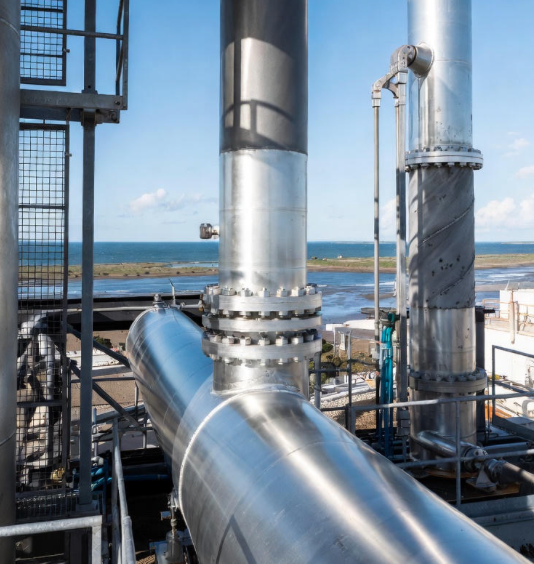
All-Weather Shield: Survive combined environmental attacks from multiple sources simultaneously.
Summary
Environmental resistance means surviving everything nature throws at your parts simultaneously. Not just corrosion or UV or temperature alone but the whole nasty cocktail. Think coastal equipment battling salt spray plus humidity plus temperature swings plus UV exposure all at once. Industrial sites add pollution and chemical contamination. The coating protects against this combined assault not individual threats in isolation. Multi-layer systems typically work best because single coatings rarely excel at everything. Zinc-nickel handles salt and humidity. Chrome adds UV stability. Proper topcoats tie it together.
Technical Details
Environmental degradation happens through synergistic effects where combined stresses exceed individual impacts. Moisture plus salt accelerates corrosion beyond either alone. UV breaks down organics while temperature cycling stresses interfaces. Pollution deposits create localized chemistry attacking coatings. Testing requires exposure to actual environmental conditions not sterile lab atmospheres. Outdoor weathering at representative sites provides real data. Accelerated testing in environmental chambers approximates field conditions but doesn't perfectly replicate every degradation mechanism. Coating selection must address dominant failure modes for your specific location and microclimate.
Site-Specific Testing
Environmental severity varies dramatically by location. Marine coastal differs from industrial urban or rural agricultural. Test at actual use sites whenever possible to capture local conditions.
Synergistic Degradation
Combined environmental factors attack coatings worse than individual stresses. Salt plus humidity plus UV degrades faster than sum of individual effects. Design for worst-case combinations.
Maintenance Planning
No coating lasts forever outdoors. Plan inspection schedules based on exposure severity. Budget for recoating or replacement before catastrophic failure occurs. Preventive maintenance costs less than emergency repairs.
Coatings
Multi-layer coating systems deliver best environmental resistance by addressing multiple degradation mechanisms simultaneously. Zinc-nickel provides corrosion protection and salt resistance. Chrome adds hardness and UV stability. Electroless nickel contributes uniform barrier protection. Topcoats seal porosity and protect against weathering. Single-layer coatings rarely handle all environmental stresses adequately. Your system design depends on dominant environmental factors. Coastal marine needs different approach than desert or industrial sites. Budget for complexity because comprehensive environmental protection requires engineered coating stacks.
| Coating | Performance | Cost | Primary Protection |
|---|---|---|---|
| Zinc-Nickel System | Corrosion and salt resistance | ||
| Nickel-Chrome Multi-layer | Barrier plus UV stability | ||
| Electroless Nickel-Phosphorus | Uniform barrier all surfaces |
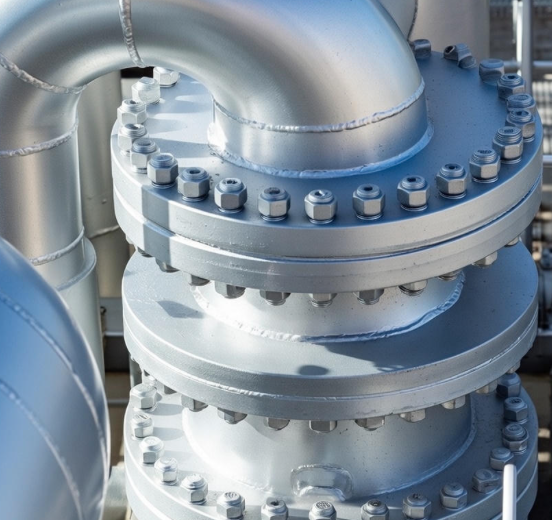
Outdoor Exposure: Industries where equipment faces years of unprotected environmental assault.
Industries
Marine equipment battles saltwater spray plus humidity plus UV creating the worst corrosion environment imaginable. Telecommunications infrastructure sits outdoors for decades through all weather extremes. Solar panel hardware endures desert sun or coastal fog depending on installation site. Architectural components need appearance retention plus structural integrity through years of exposure. Transportation vehicles face road salt, exhaust pollution, and temperature cycling. Defense equipment operates globally from arctic to tropical conditions. These industries understand environmental protection isn't optional. Failed coatings mean expensive replacements, safety hazards, and operational disruption.
Pro Tips
Achieving reliable environmental resistance requires understanding site-specific conditions not generic specifications. Coastal Florida differs from inland Texas or industrial Ohio. Sample exposure at actual installation sites provides irreplaceable data about real degradation rates. Accelerated testing helps but doesn't capture every failure mode. Design conservatively because replacing failed coatings in the field costs vastly more than over-engineering initial protection. Consider accessibility for inspection and maintenance when equipment must last decades outdoors. Smart specifications balance initial cost against lifecycle expenses.
Know Your Microclimate
Environmental severity varies within miles. Coastal within 1000 feet of ocean differs from 5 miles inland. Industrial areas have different pollution profiles. Visit installation sites and observe existing equipment condition. Local degradation patterns reveal what actually attacks coatings versus theoretical concerns.
Run Real-World Exposure Tests
Mount sample panels at installation sites for minimum one year preferably two. Check them quarterly documenting corrosion, color change, and mechanical degradation. Real environmental exposure beats laboratory testing for predicting actual field performance and coating system selection.
Design for Inspection Access
Equipment lasting decades outdoors needs periodic inspection. Design mounting and access allowing visual checks without disassembly. Hidden areas corrode first and worst. Plan inspection schedules based on exposure severity catching problems before catastrophic failure occurs.
Budget for Maintenance
No coating lasts forever outdoors. Plan recoating cycles based on expected life and exposure severity. Budget ongoing maintenance rather than assuming permanent protection. Preventive recoating before failure costs less than emergency replacement of corroded equipment.
Consider Total System Design
Part geometry affects environmental resistance as much as coating choice. Eliminate crevices trapping moisture. Provide drainage preventing water pooling. Avoid dissimilar metals creating galvanic couples. Design for environmental resistance not just specify better coatings on poor designs.
Conclusion
Environmental resistance protects equipment from combined assault of corrosion, UV, temperature, and pollution over extended outdoor exposure. Success requires understanding site-specific conditions, selecting appropriate multi-layer coating systems, and planning for inspection and maintenance. Real-world exposure testing provides invaluable data about actual degradation rates. Conservative design prevents expensive field failures. When properly engineered environmental protection extends equipment life from years to decades outdoors. That reliability justifies coating investment through reduced replacement costs and improved operational availability in harsh service conditions.
Next Steps
Ready to protect equipment from environmental degradation? Start by documenting installation site conditions including proximity to salt water, industrial pollution sources, and typical weather patterns. Visit sites and photograph existing equipment showing actual degradation patterns. Research coating systems proven in similar environments. Contact suppliers with outdoor exposure experience and testing data. Mount sample panels at installation sites for real-world evaluation. Design parts with environmental protection features like drainage and inspection access. Budget appropriately for multi-layer systems delivering comprehensive protection against combined environmental stresses.